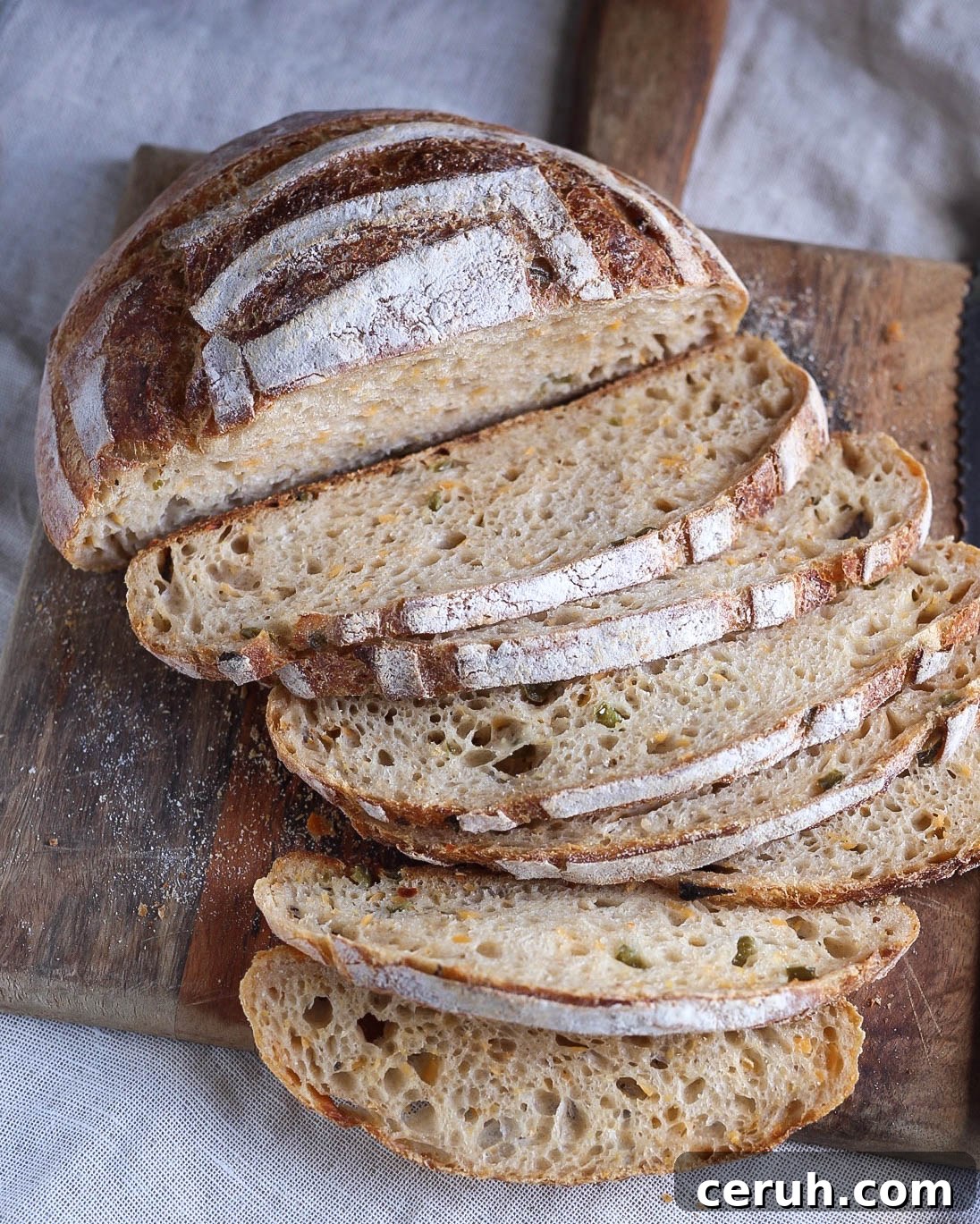
Decades ago I spent a summer working in a bakery in my hometown of Austin, Texas. One of the offerings was a yeasted “corn bread”—not the quick bread made with baking powder, but a yeasted loaf featuring cornmeal. That memory inspired me to try blending those corn-bread flavors into my favorite sourdough. I set out to create a discard-starter loaf with cornmeal, cheddar, and jalapeño. The recipe is still evolving, but my first attempts were promising enough to share.
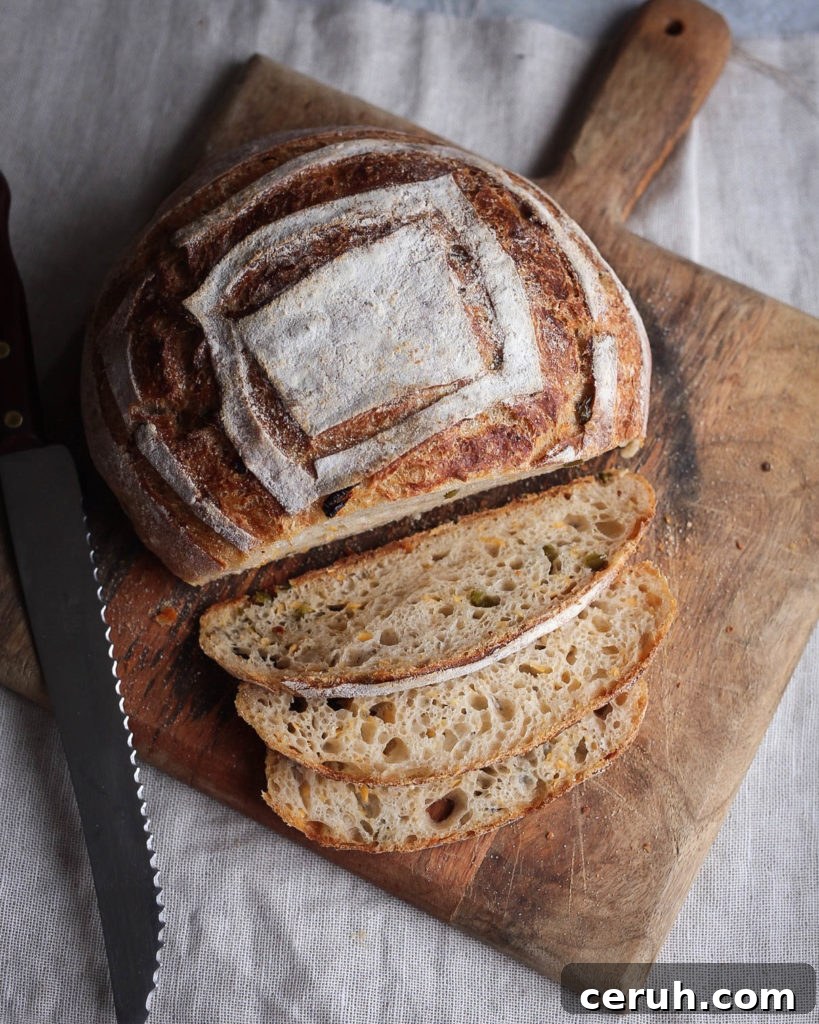
I usually test recipes multiple times before publishing, but after the strong interest in my Country Loaf with Discard Sourdough Starter and the success of this variation, I thought it worthwhile to present the method now. This loaf is leavened only with discard starter; for background on using discard as the sole leavening agent, see my Country Loaf post. I made several adjustments for this version to preserve gluten development and integrate the cornmeal without compromising texture.
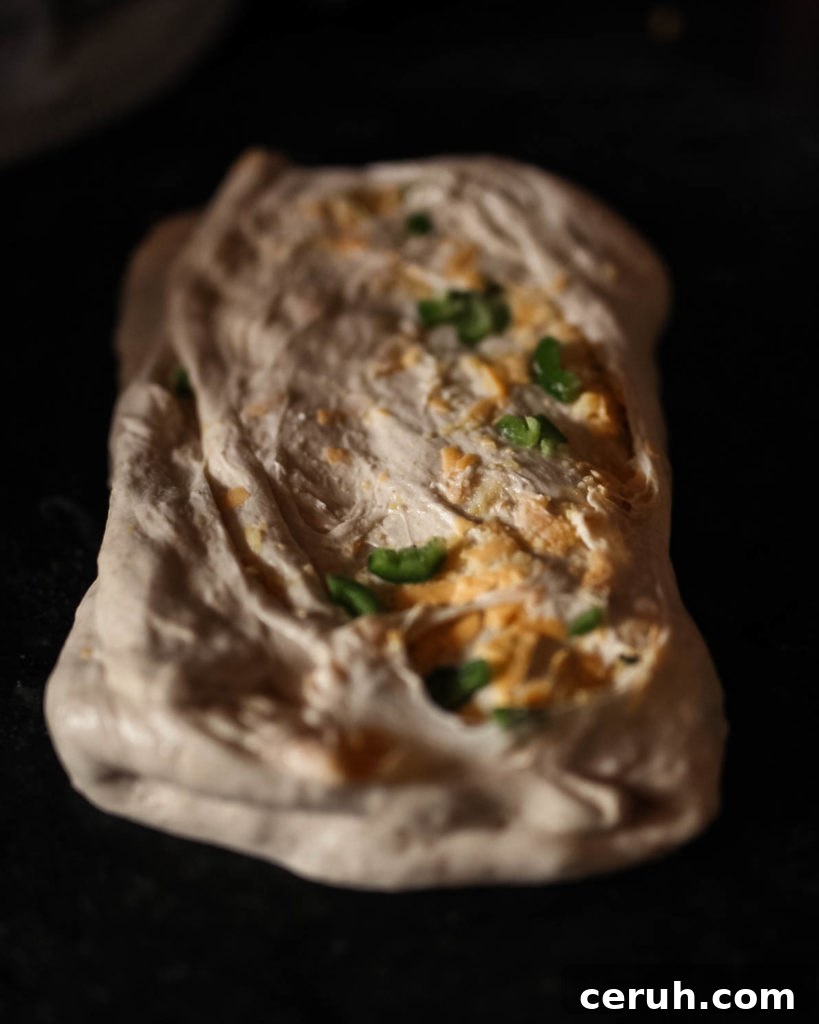
Cornmeal can interfere with gluten formation and its texture can feel sharp in dough, so I avoided adding dry cornmeal straight into the flour. Instead I prepare a cornmeal porridge, which softens the grits and disperses moisture more evenly. To help the dough develop extensibility, I perform a full autolyse before introducing the starter, then incorporate the cornmeal porridge, jalapeño, and cheddar by laminating them into the dough prior to bulk fermentation.

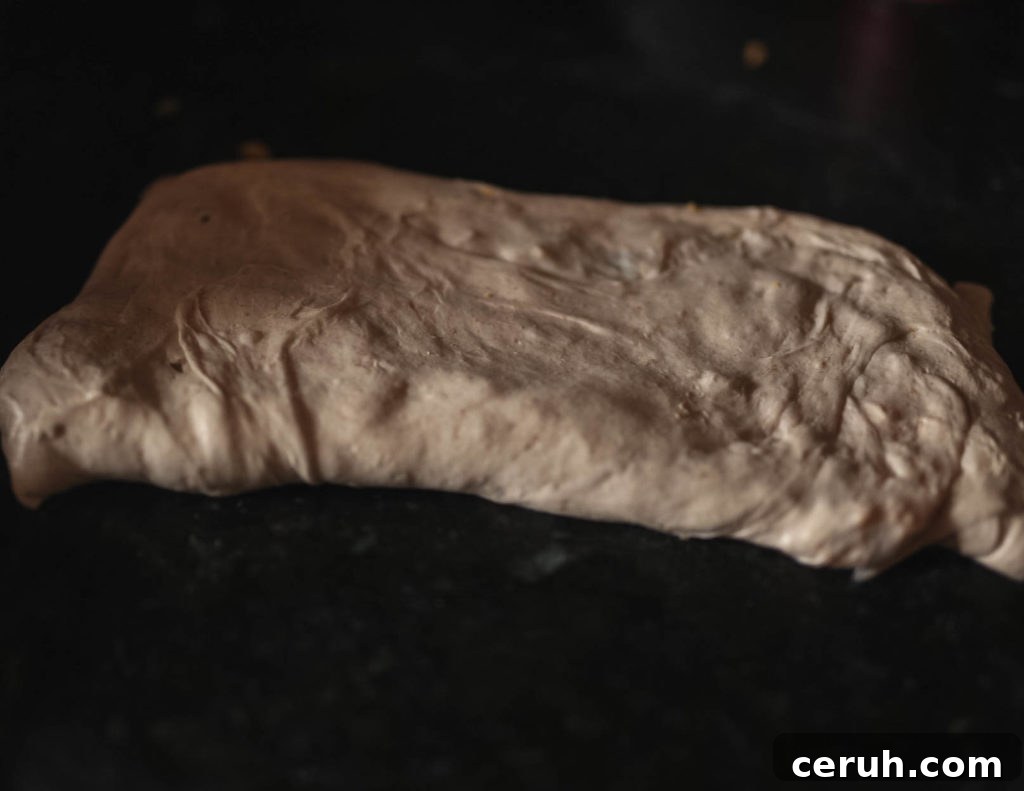
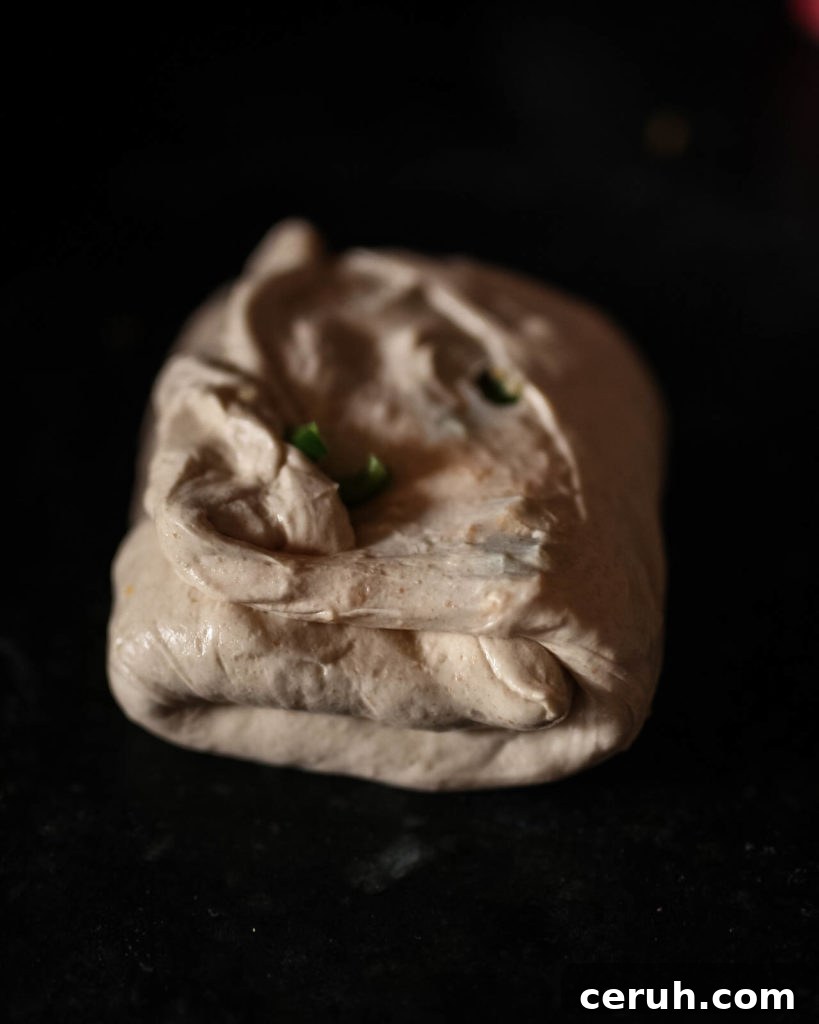
I was mindful of cheese or jalapeño scorching during baking, so I used a two-stage bake: 20 minutes covered at 475°F, then 25 minutes uncovered at 425°F. In earlier discard recipes I used very cold water to slow bulk fermentation while away at work; now that I work from home I used room-temperature water, which suits my schedule better.
The finished loaf had a softer, lighter crust than my usual country loaves and sliced beautifully. The aroma while baking was especially pleasant. I enjoyed the bread simply with salted butter, as creamy avocado toast, and alongside black bean soup.
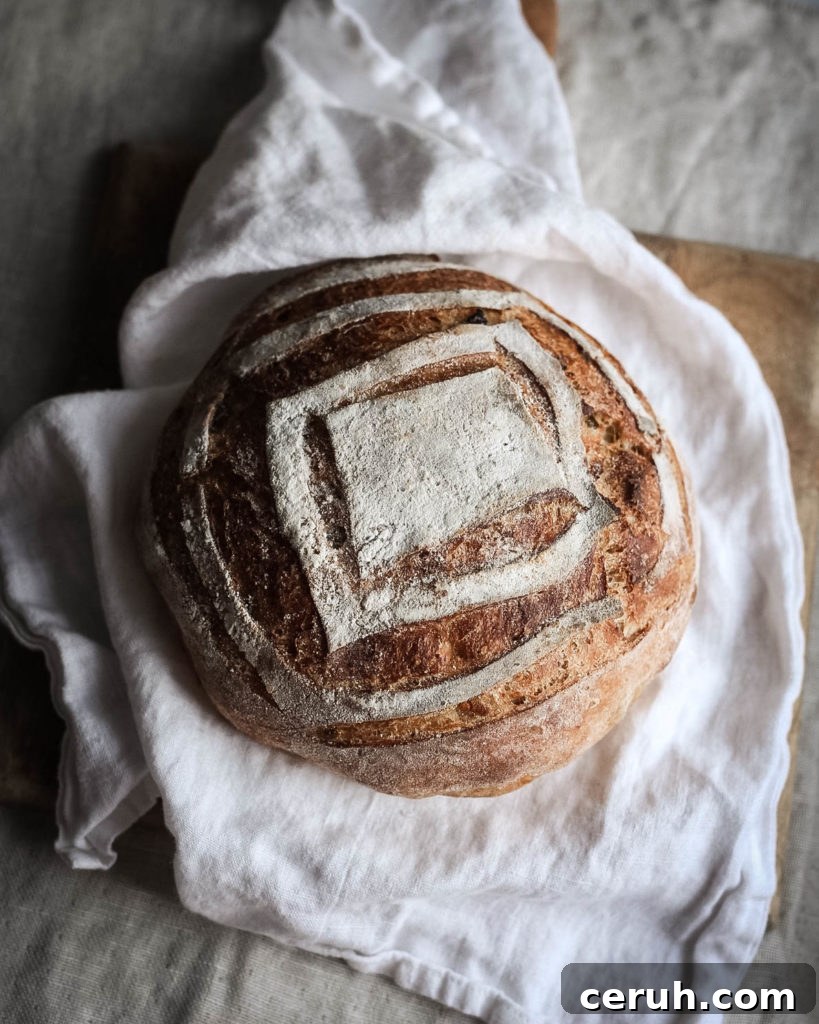
A few caveats: my final dough hydration likely ended up very high—possibly approaching 90%. The autolyse plus the water in the discard and salt already put the dough near 80% hydration, and adding the cornmeal porridge (along with the cheddar and jalapeño) probably added another 8–10% effective hydration. The result was an extremely soft, puffy dough that was challenging to shape; I managed a gentle boule. Despite that, the loaf scored cleanly after refrigeration and produced excellent crumb and flavor.
Sourdough Discard Loaf with Cornmeal, Cheddar, and Jalapeno
A flavorful loaf leavened with discard starter and enriched with cornmeal porridge, sharp cheddar, and jalapeño.
Ingredients
For the bread:
- 230–240 g spring or bottled water at room temperature; divided
- 270 g bread flour
- 30 g whole wheat flour
- 30 g discard sourdough starter
- 6 g fine salt
- 65–75 g cornmeal porridge (see below)
- 1 medium jalapeño seeded and finely chopped
- 56 g extra-sharp cheddar shredded
For the cornmeal porridge:
- 1/4 cup yellow cornmeal (medium grind)
- 1/4 cup boiling water
- 1 cup water
- dash salt
Instructions
-
Autolyse: In a large, wide mixing bowl combine 210 g water with the bread and whole wheat flours. Mix until no dry flour remains. Cover and rest 1–2 hours.
-
Make the cornmeal porridge: In a small bowl combine the cornmeal with 1/4 cup boiling water and let sit 10 minutes to soften. In a small saucepan add the softened cornmeal, 1 cup water, and a dash of salt. Bring to a boil, then reduce heat and simmer, stirring constantly, until a thick porridge forms. Remove from heat and cool.
-
Add the discard starter and 10–15 g water to the autolysed dough. Work it in with your hands or a bowl scraper until incorporated. Cover and rest 30 minutes.
-
Add the salt and another 10–15 g water, work into the dough, cover lightly, and rest 20 minutes.
-
Lamination: Turn the dough onto the counter and stretch into a large rectangle. Spread 65–75 g cornmeal porridge evenly over the surface. Sprinkle the chopped jalapeño and shredded cheddar over the porridge and press lightly to help them adhere. Fold the dough in thirds like a business letter, rotate 90°, gently press and stretch, and fold in thirds again. Repeat a third fold if desired. Transfer the dough to a bulk-rise container, cover, and rest 30 minutes.
-
Stretch-and-folds: After 30 minutes perform the first stretch-and-fold. Repeat every 30 minutes for 3–4 more times (4–5 total). Then let the dough rise undisturbed until it increases about 50–60% in volume (6–12 hours depending on temperature).
-
Shape: When the bulk rise is complete, gently tip the dough onto your work surface and do a gentle preshape. Dust with flour, cover, and rest 15–20 minutes. Shape as desired (boule or batard), place in a well-floured banneton, cover, and refrigerate overnight (preferably 12+ hours).
-
Preheat: Place a cast-iron Dutch oven or similar vessel in the oven and preheat to 475°F.
-
Bake: Turn the loaf onto parchment, flour the top, and score. Remove the hot vessel from the oven, place the dough inside, replace the lid, and bake covered for 20 minutes. Remove the lid, lower the oven to 425°F, and bake another 25 minutes until the crust is golden brown.
-
Cool: Remove the loaf from the oven and let cool completely before slicing.
Recipe Notes
I recommend spring or bottled water if your tap water is heavily chlorinated, since chlorine can inhibit starter activity. Use the lower end of the water and porridge ranges for easier handling; higher amounts yield a softer, more open crumb but a stickier dough. Bread flour helps gluten development with these mix-ins, though unbleached all-purpose flour (e.g., King Arthur) should work as well. For more context on using discard as a leavening agent, see the Country Loaf with Discard Sourdough Starter post.