
Keeping a school nutrition menu competitive requires balancing many factors: student preferences, food costs and availability, labor skills and staffing, and equipment capacity. Another important consideration is staying current with food trends. January is an ideal month to review trends and plan menu updates, since many food and foodservice trend reports are released early in the year. Remember that a trend indicates a gradual change in direction rather than a sudden shift, and most trends evolve over several years.
Reliable food trend reports are available from many sources. Industry forecasts, data-driven analyses, and flavor forecasts offer useful guidance for menu planning and ingredient selection. These resources highlight emerging flavors, techniques, and consumer behaviors that can help inform menu updates for K–12 programs.
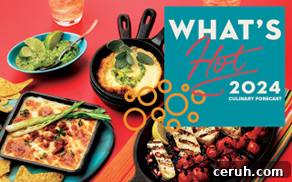
- The National Restaurant Association publishes an annual culinary forecast that captures insights from culinary professionals and identifies top trends in flavors and menu concepts.
- Datassential’s trend reports provide detailed data on flavors, ingredients, and generational preferences that are useful for planning menus now and anticipating what’s next.
- Flavor forecast reports from major spice and seasoning companies highlight specific flavor profiles and ingredient pairings expected to gain traction in the coming year.
- Market research groups publish global and regional food-and-drink trend forecasts that can help school nutrition teams understand wider consumption patterns and influences.
For school nutrition, three main trend categories are particularly influential: seasonings and flavor profiles, global inspiration, and the role of social media. These trends overlap—for example, social media often accelerates fascination with global flavors—but treating them separately helps clarify how each affects menu design. A key driver behind these trends is Gen Alpha: the children of millennials who tend to be adventurous eaters and are exposed to diverse foods from a young age. Their preferences are shaping what appears on school menus.
Focus on Seasonings
Flavors that once felt exotic are now common in kitchens and on menus. Many students enjoy sour tastes—like pickled items—and spicy heat remains popular. Combinations that contrast sweet and spicy or sweet and sour also resonate, such as hot honey or sweet-and-sour sauces typical in Asian cuisines.
Recent trend reports highlight hot flavors like za’atar, yuzu, harissa, and ponzu. Other flavors to watch include spicy ranch, floral notes, shawarma, and mustard seeds. Emerging ingredients for future consideration include amba, shiso, gooseberry, and sunomono. These seasonings can be introduced gradually through familiar dishes to build acceptance.
Culinary forecasts also list popular flavor trends for the year, including Nashville hot seasoning, everything bagel seasoning, turmeric-ginger combinations, and hibiscus. Incorporating one or two of these flavor notes into sandwiches, dressings, or snacks can refresh standard offerings without requiring major operational changes.
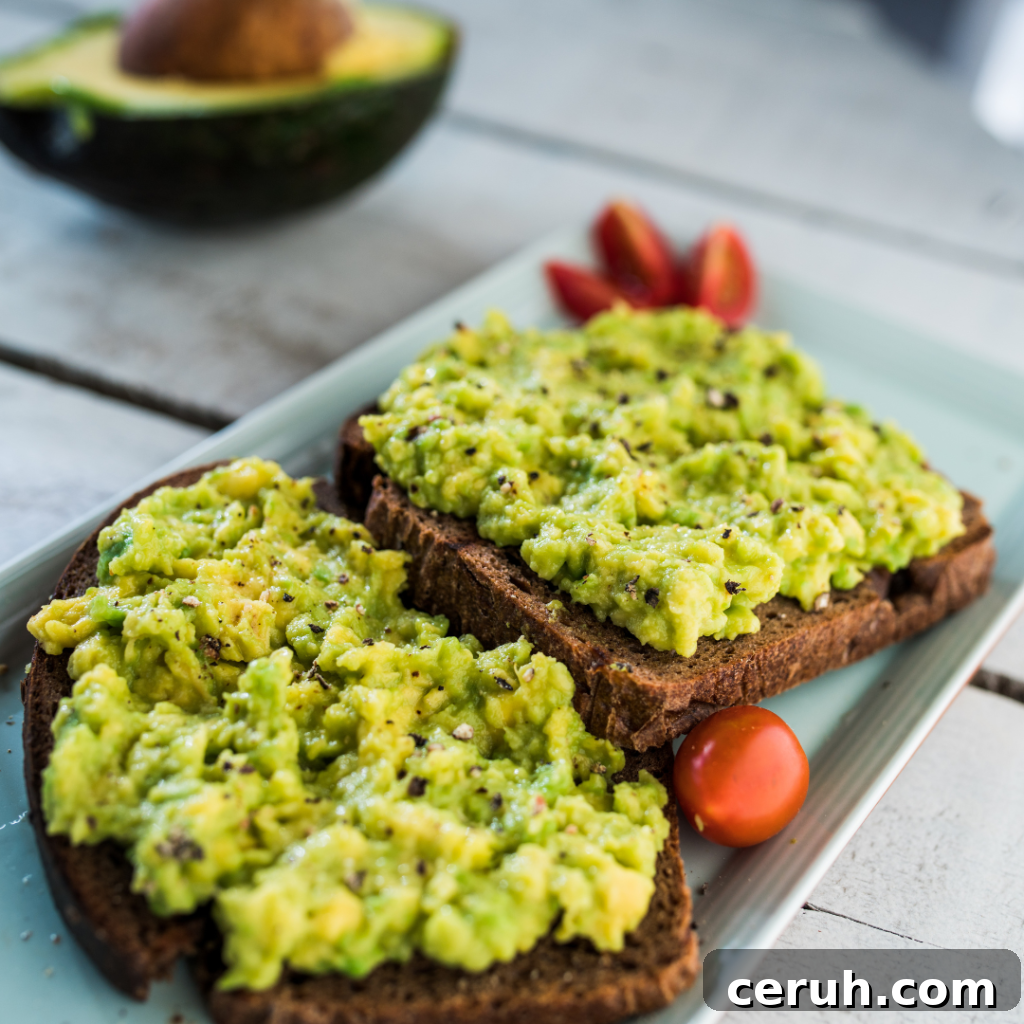
Avocado Toast
Topping avocado toast with everything bagel seasoning adds texture and flavor. It’s a simple, healthy, and appealing option that can be adapted for student preferences.
Some flavor forecasts highlight tamarind and a broader trend toward sour-forward profiles: pickled and fermented items, citrus accents, and vinegars are gaining attention. Creative uses, like incorporating pickled fruit into sandwiches or salads, offer savory-sour contrasts that appeal to adventurous eaters.
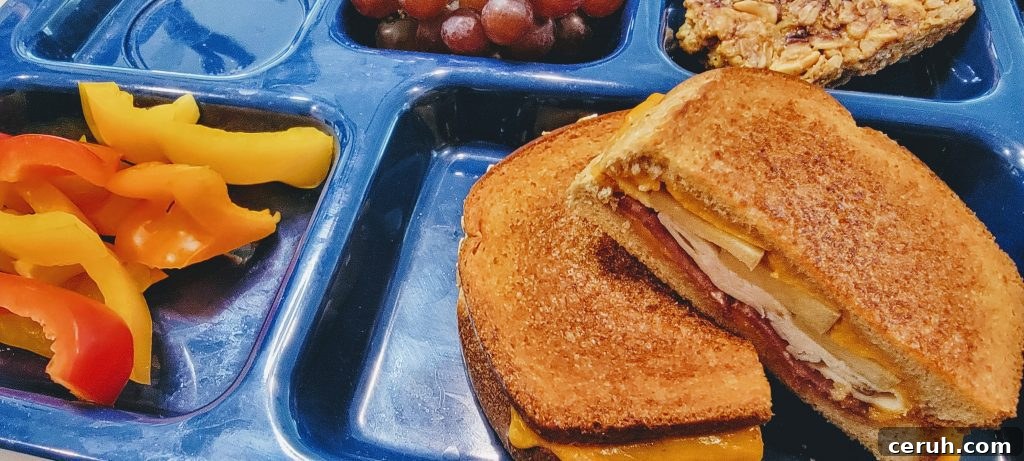
Pickled Apples, Bacon and Cheddar Panini
This creative sandwich layers pickled apples with savory ingredients for a balanced sweet-and-sour profile. It’s one example of how pickling elevates familiar menu items.
World Stage
Global flavors continue to shape menus. Several factors drive this: increased cultural diversity among students, rising popularity of international restaurants in communities, and broader exposure to world cuisines. Mexican and various Asian flavor profiles remain influential, while regional cuisines from India, Korea, Spain, and Vietnam are gaining traction.
Popular international trends include world-stage soups and stews—such as birria, tom kha, laksa, salmorejo, and elevated ramen—global takes on chicken wings, and international barbecue styles. These concepts can be adapted to school settings by focusing on approachable ingredients and manageable preparation techniques.
- World-stage soups and stews like birria, chicken tom kha, laksa, and upscale ramen are becoming mainstream and can be offered as seasonal features or weekly specials.
- Global chicken wings and wing flavors offer a versatile platform for introducing new spice blends and sauces that appeal to students.
- International barbecue styles—such as Korean-inspired preparations—borrow familiar formats while showcasing distinct marinades and condiments.
Gen Alpha also enjoys mashups that blend culinary traditions, for instance Korean-inspired tacos or birria-style ramen. Menu teams can test fusion concepts as limited-time offers to evaluate student response before wider implementation.
Social Media Influence
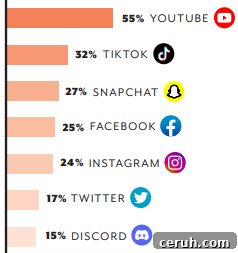
Social media accelerates awareness of new foods, flavors, and preparation methods. Gen Alpha has grown up in a digital world and often learns about food trends through platforms where viral recipes and menu hacks spread quickly. This exposure sparks curiosity: many students want to try items they see online to “see what the hype is all about.”
Parents and schools report that Gen Alpha uses a variety of media platforms, often under parental guidance. These platforms function as discovery tools for foods that then influence school dining preferences.
Because social media trends move quickly, school nutrition teams can respond by adapting viral concepts into practical, serviceable recipes. One example is custard toast, a portable breakfast item that can be adapted for K–12 by baking yogurt and fruit on whole wheat toast—an easy, attractive entrée that offers many variations.

Custard Toast
Custard toast—baked yogurt and fruit on whole wheat toast—is a student-friendly breakfast option that is visually appealing and simple to prepare in bulk.
Maintaining a menu that reflects current flavors, cultural influences, and social-media-driven trends helps attract students to the cafeteria and keeps participation strong. Thoughtful experimentation with seasonings, international concepts, and adaptable viral recipes can refresh offerings while remaining practical for school foodservice operations.