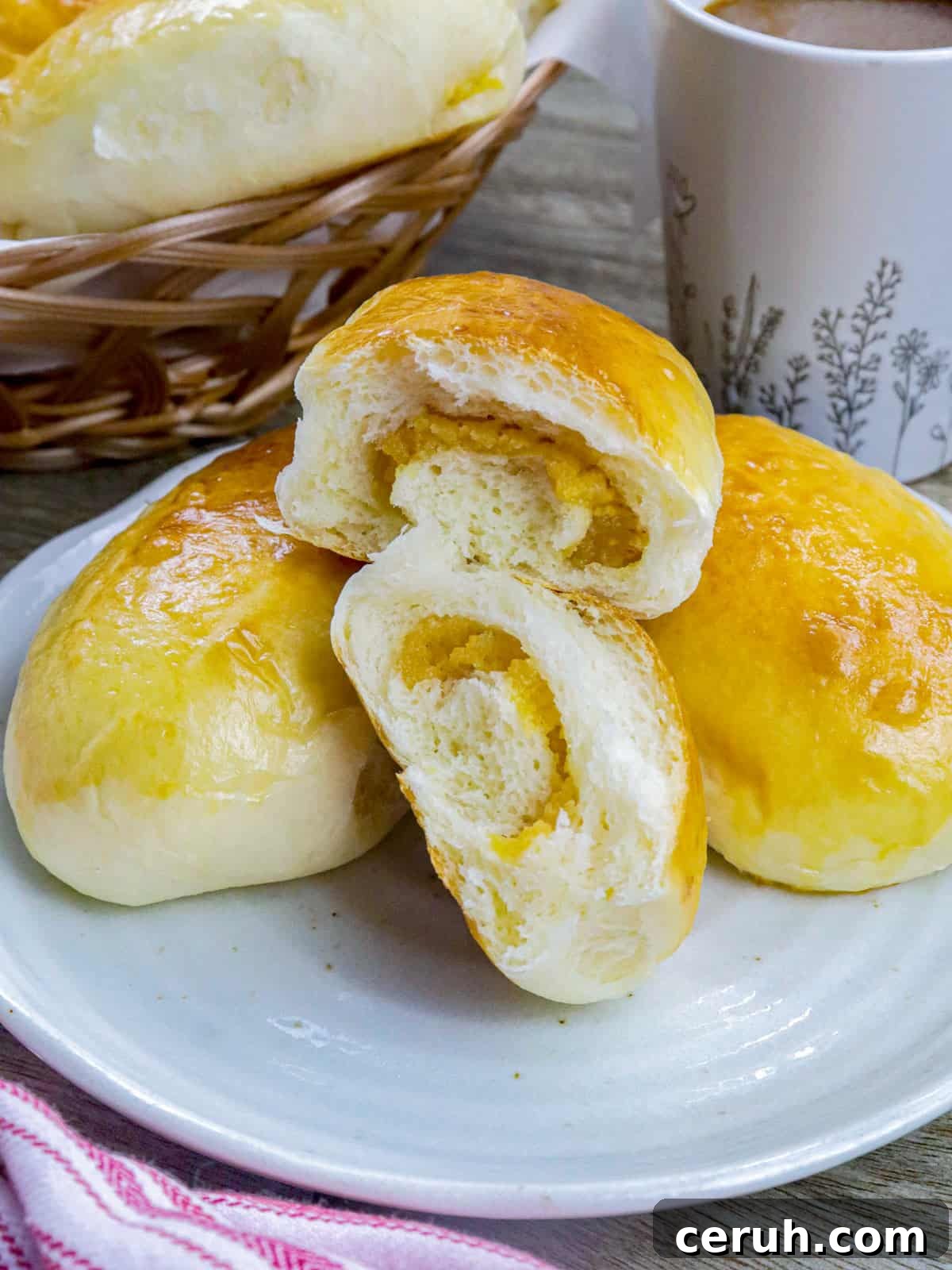
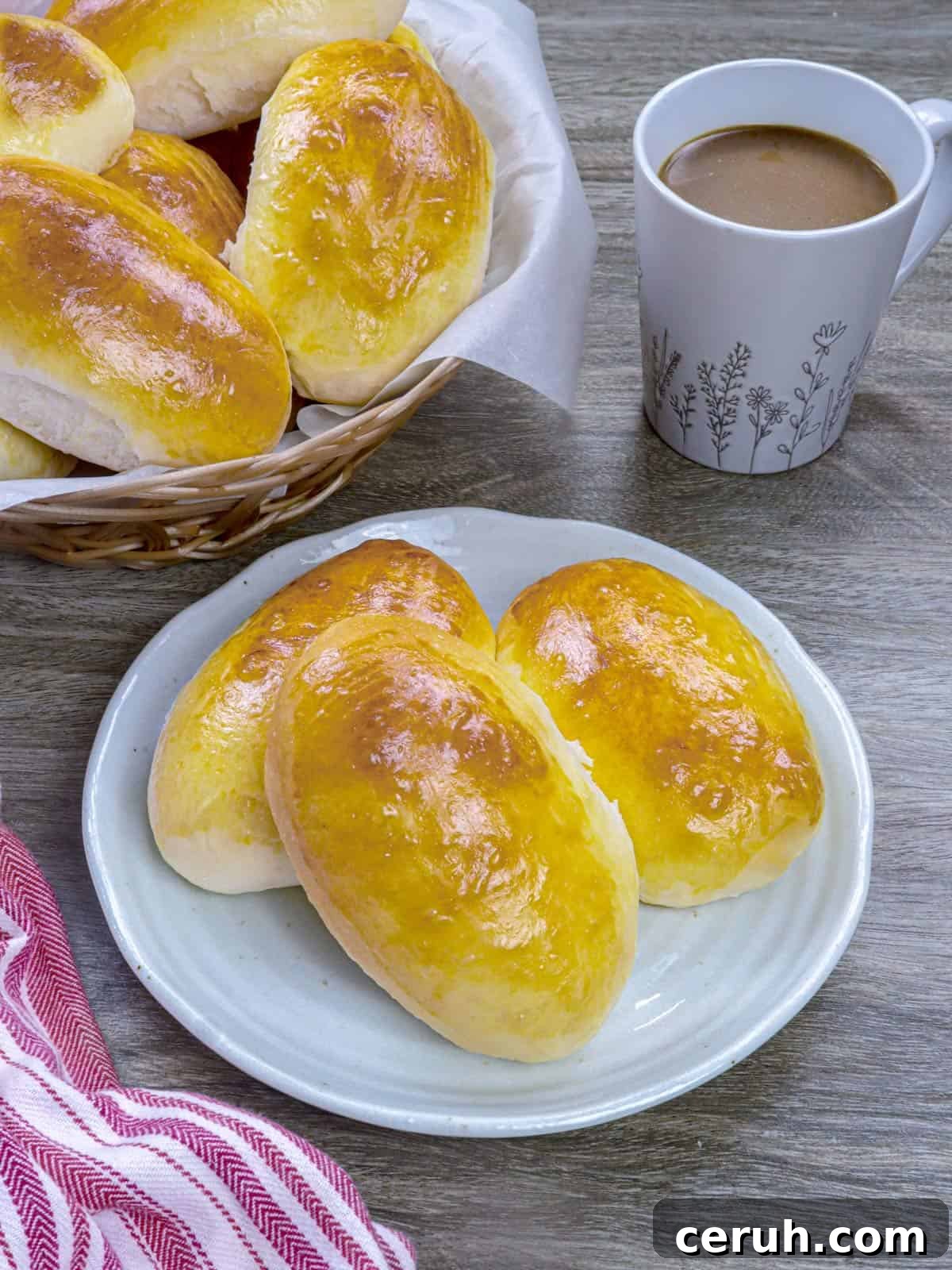
Yema Bread Rolls are a beloved bakery treat: soft, pillowy buns filled with a sweet, creamy egg custard called yema. They make a delightful breakfast, an indulgent snack with coffee or tea, or a comforting dessert. The dough is tender and slightly enriched, allowing the smooth yema filling to shine in every bite.
This recipe produces light, airy rolls that hold a rich, spreadable custard inside. The filling combines condensed milk, egg, and a bit of mashed potato to give the yema a smooth, slightly firm texture that pipes and spreads easily without leaking during baking. While the buns pair well with other fillings such as ube halaya or coconut jam, the classic yema custard is especially irresistible.
Ingredient notes
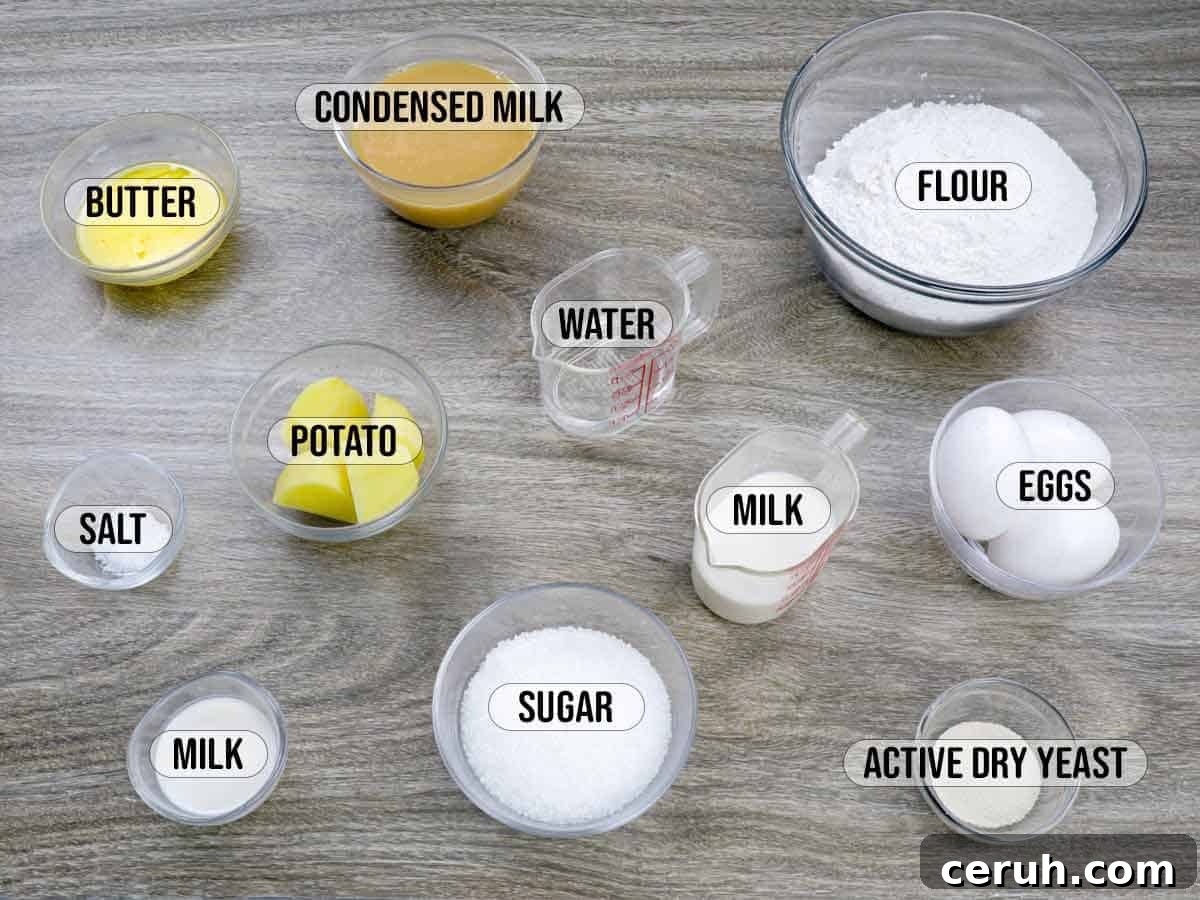
- All-purpose flour — a versatile medium-gluten flour that yields tender, structured buns.
- Active dry yeast — must be dissolved in warm liquid to activate; look for foaming to confirm it is alive.
- Warm water and warm milk — used to proof the yeast and enrich the dough; keep temperatures between 105°F and 110°F to avoid killing the yeast.
- Unsalted butter — melted and added for richness and a soft crumb.
- Eggs — two go into the dough for structure and color; an extra beaten egg is used for the yema and for egg wash.
- Sweetened condensed milk — the backbone of the yema, providing sweetness and creaminess.
- Potato — a small amount of mashed potato is mixed into the yema to help thicken and stabilize the custard without changing the flavor significantly.
Bread dough
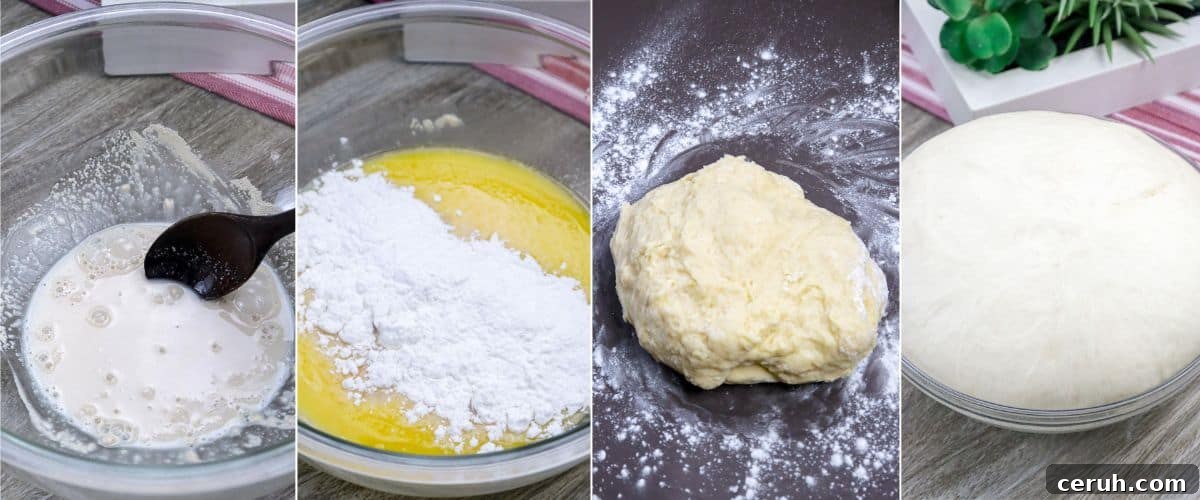
These buns require some rising time, but active prep is straightforward. Expect about an hour of hands-on work plus rising time. Follow the steps carefully for a consistent rise and soft texture.
- Bloom the yeast: dissolve active dry yeast in warm water (105°F–110°F) with a teaspoon of sugar. Wait 15–20 minutes for it to foam. If it does not foam, discard and start with fresh yeast.
- Mix the wet ingredients: add warm milk, the remaining sugar, eggs, melted butter, and salt to the foamed yeast. Stir until evenly combined.
- Incorporate flour gradually: add most of the flour while stirring until a shaggy dough forms. Add more flour only if the dough is too sticky to handle.
- Knead until smooth and elastic: turn the dough onto a lightly floured surface and knead until it stretches into a thin, translucent window without tearing. Shape into a ball, place in a lightly oiled bowl, cover, and let rise until doubled in size.
Yema filling
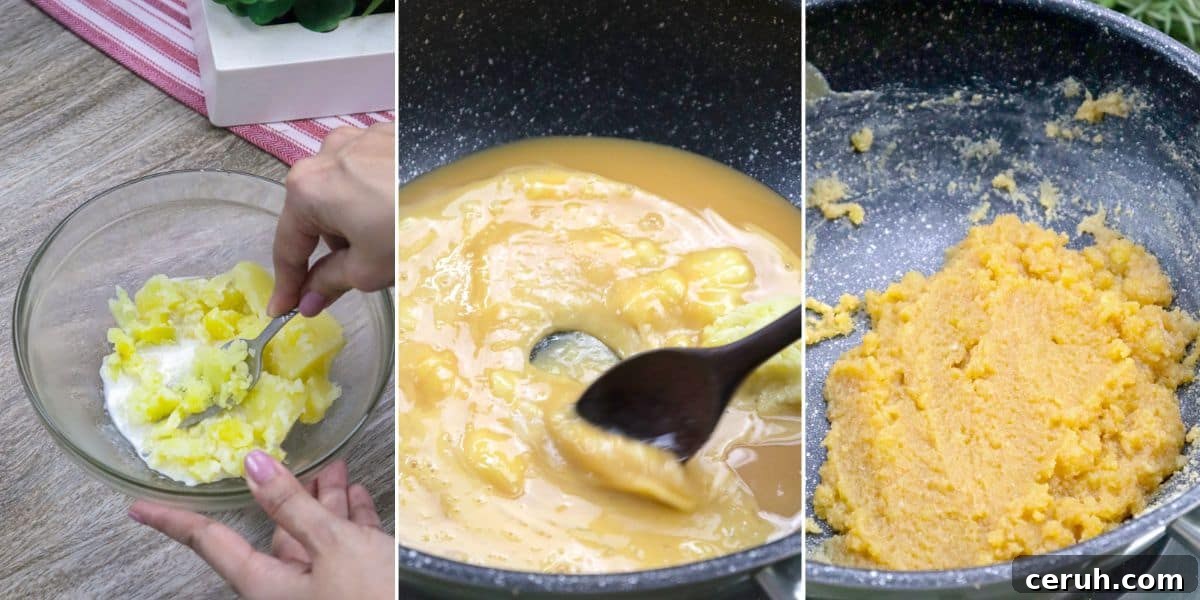
- Use a nonstick saucepan and cook over medium-low heat to prevent scorching. Stir constantly for an even texture.
- Mashed potato helps thicken the filling and stretch the yield while keeping the custard smooth—cook and mash the potato first, then add a measured portion to the condensed milk mixture.
- Cook the mixture until it becomes thick and spreadable. Remove from heat a touch earlier than you think because the yema will firm up further as it cools.
- Allow the yema to cool before filling the buns; warm filling can soften the dough and make sealing difficult.
Assembly and baking
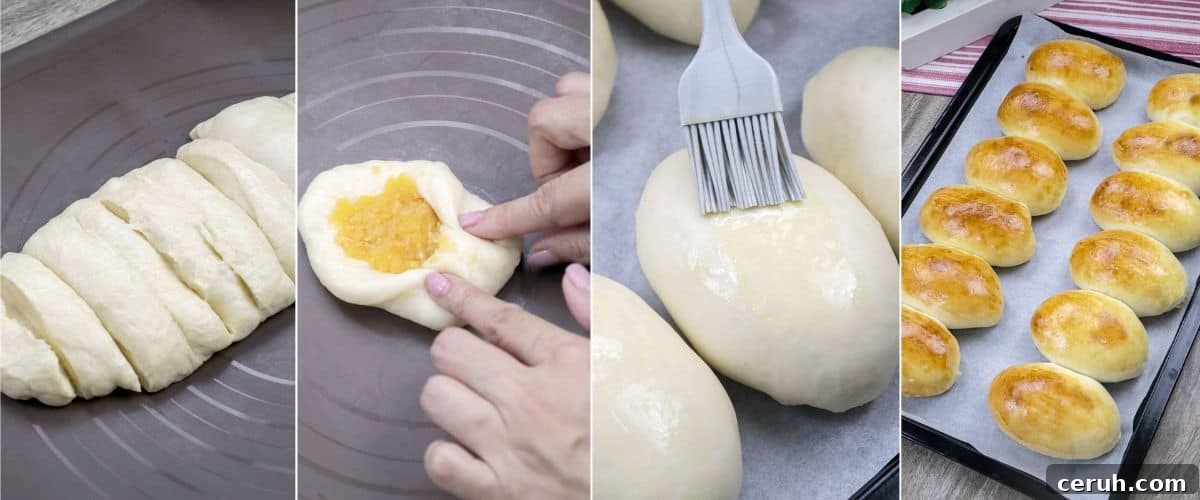
- Deflate the dough gently and divide into equal portions, shaping each into a smooth ball. For this recipe divide into 12 portions for generously filled rolls.
- Roll each portion into an oval, place a spoonful of cooled yema in the center, and roll from the short edge. Fold and pinch the seams tightly to prevent leakage during baking.
- Arrange seam-side down on a parchment-lined baking sheet. Cover and proof the rolls until nearly doubled—about 40–60 minutes depending on room temperature.
- Brush the tops with an egg wash for a glossy, golden finish. Bake in a preheated 350°F oven until lightly golden, about 12–18 minutes. Let cool slightly before serving; the filling will be very hot when fresh from the oven.
Make it ahead
Prepare the yema a day in advance and press plastic wrap directly onto its surface to prevent a skin from forming. Refrigerate until ready to use. Bring the yema to room temperature before filling the buns for easier spreading.
Frequently Asked Questions
Are yema bread rolls the same as Spanish bread?
No. While Spanish bread often features a buttery, sweet filling, yema bread rolls are filled with a creamy egg-based custard that has a distinct texture and flavor.
What do yema rolls taste like?
They are soft and slightly sweet with a creamy, caramel-like custard center. The contrast between the tender bread and rich yema is what makes them memorable.
How to serve and store
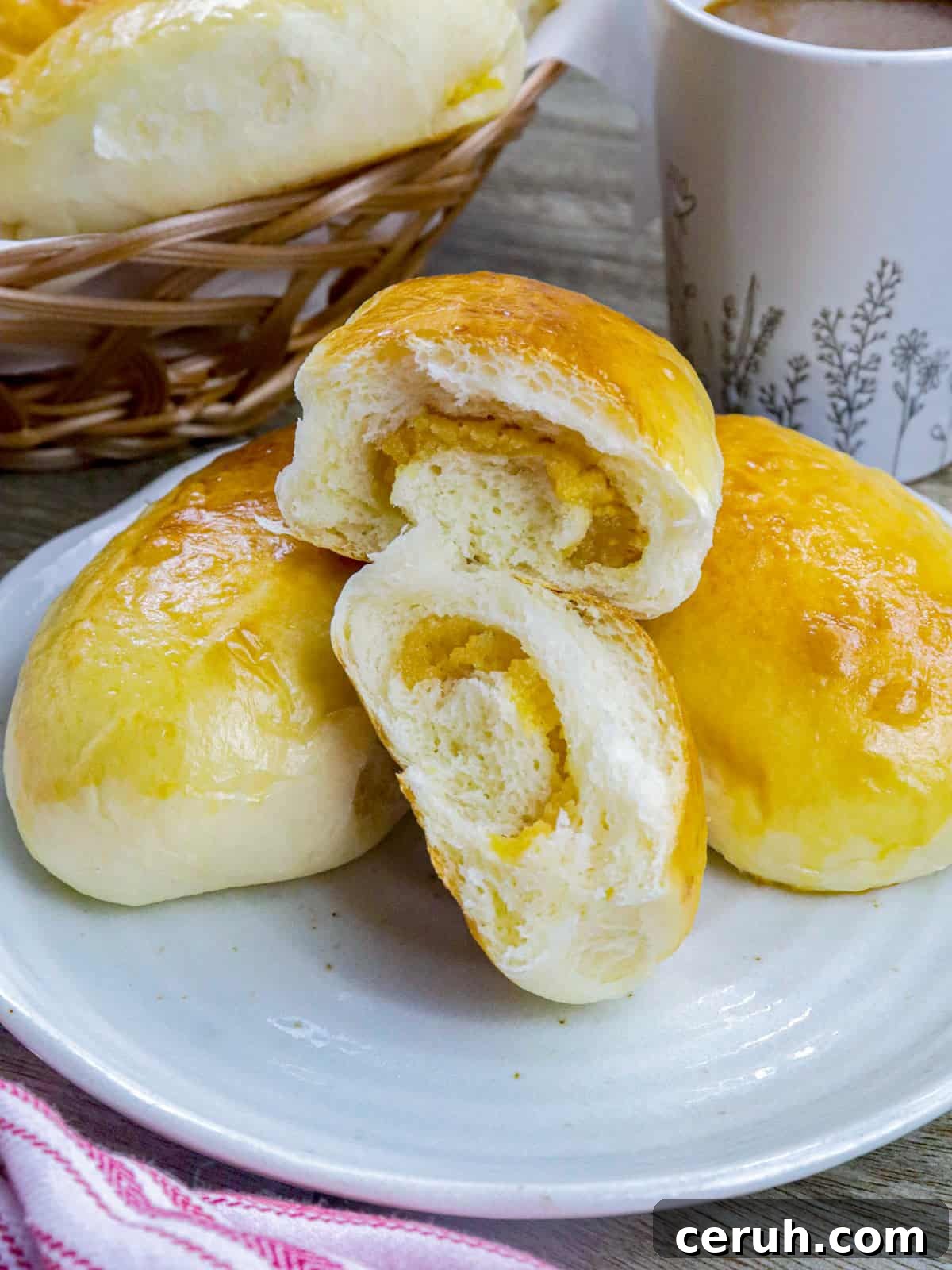
- Serve warm or at room temperature with coffee, tea, or hot chocolate for a comforting combination. Warmed rolls have a softer crumb and more pronounced custard flavor.
- Because of the egg-based filling, store the rolls refrigerated if not consumed within a few hours. Place them in an airtight container. For longer storage, wrap individually and freeze for up to two months; thaw overnight in the refrigerator and warm briefly before serving.
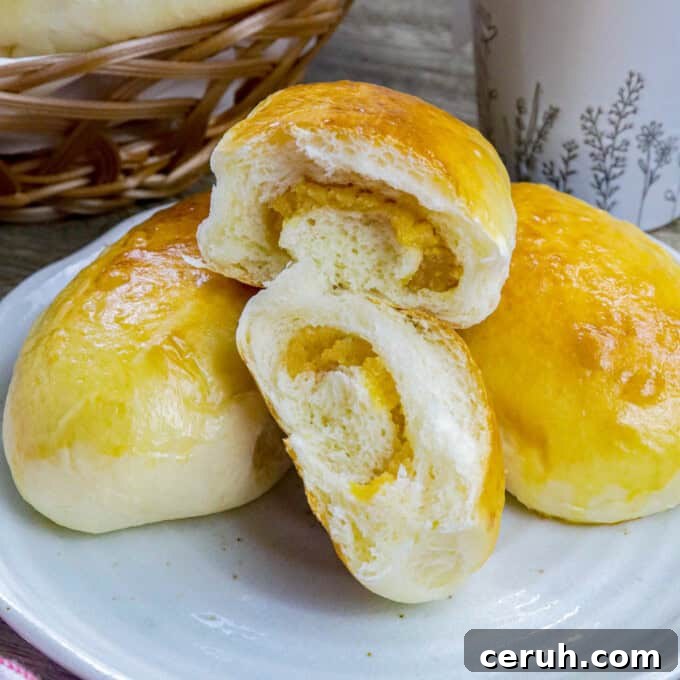
Yema Bread Rolls
Ingredients
For the Bread
- 2 ¼ teaspoons active dry yeast
- ¼ cup warm water (105°F–110°F)
- ½ cup sugar
- 2 eggs
- ½ cup warm milk
- ¼ cup melted unsalted butter
- 1 teaspoon salt
- 3 ½ cups all-purpose flour (plus extra for kneading)
- 1 egg, beaten (for egg wash)
For the Yema
- 1 potato, peeled and quartered
- 1 beaten egg (reserve from dough ingredients)
- 4 teaspoons milk
- 1 cup condensed milk
Equipment
- Nonstick saucepan
- Baking sheet with parchment paper
Instructions
- In a large bowl, combine yeast, warm water, and 1 teaspoon sugar. Stir and let rest 15–20 minutes until foamy.
- Add eggs, warm milk, the remaining sugar, melted butter, and salt. Mix with a wooden spoon until combined.
- Gradually add 3 ¼ cups of flour, stirring until the dough comes together. If still sticky, add more flour a tablespoon at a time.
- Turn dough onto a lightly floured surface and knead until smooth and elastic, about 8–10 minutes. Shape into a ball and place in a lightly oiled bowl. Cover and let rise 1½–2 hours or until doubled.
Make the Yema filling
- In a saucepan, cover the potato with water, bring to a boil, and cook until very tender. Drain and mash with the 4 teaspoons of milk until smooth.
- In a medium saucepan over medium-low heat, combine condensed milk, 4 tablespoons of mashed potato, and the reserved beaten egg. Stir constantly.
- Cook until thick and spreadable, about 12–15 minutes. Remove from heat and let cool completely.
Assemble and bake
- Punch down the risen dough and divide into 12 equal portions. Shape each into a smooth ball.
- Roll each ball into an oval. Spoon about ½ tablespoon of cooled yema into the center.
- Roll from the short edge twice, fold and press the edges, and pinch to seal completely. Place seam-side down on a parchment-lined baking sheet.
- Cover and proof for 40–60 minutes until nearly doubled. Brush tops with beaten egg.
- Bake in a preheated 350°F oven for 12–18 minutes or until lightly golden. Cool slightly before serving to allow the filling to settle.
Notes
- Keep liquids for yeast activation between 105°F and 110°F. Liquids hotter than that can kill the yeast.
- If the yeast does not foam within 20 minutes, use a new batch of yeast.
- Yema can be made a day ahead and refrigerated. Press plastic wrap against the surface to prevent skin formation.