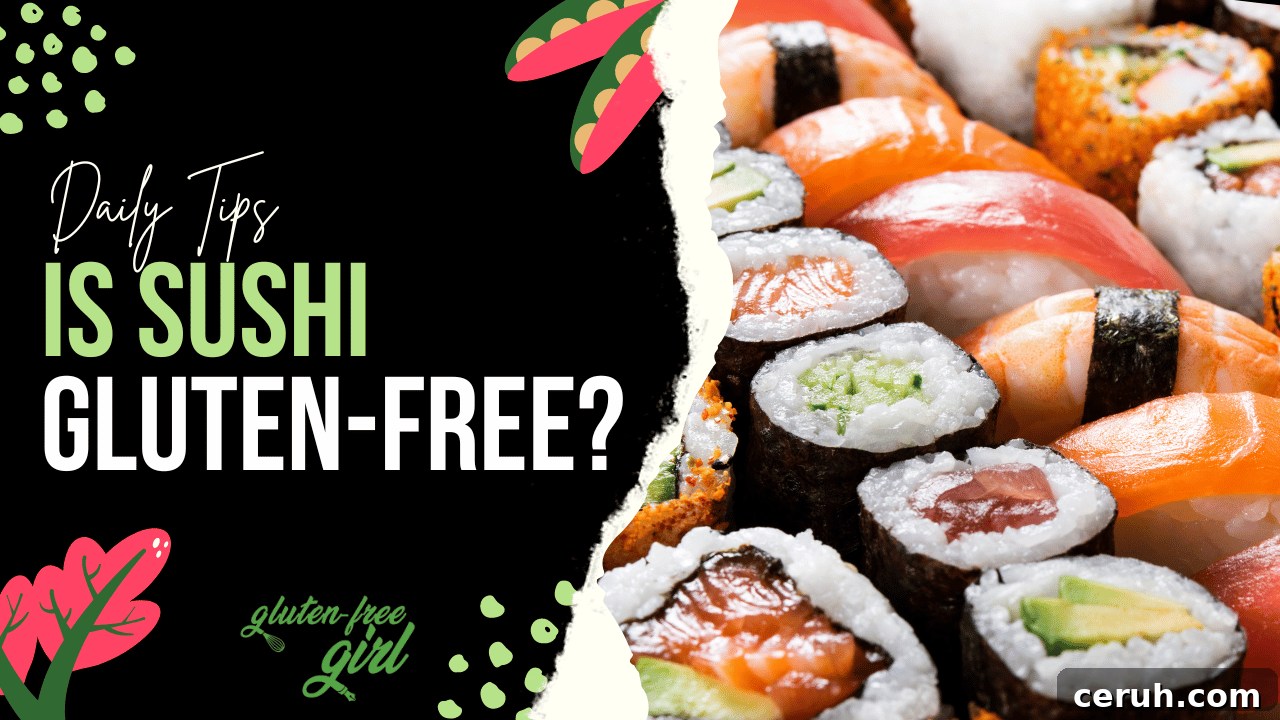
Yes, sushi is gluten-free. In its traditional form, sushi is naturally gluten-free because its basic ingredients are rice, fish, vegetables, and seaweed. Plain sushi rice and fresh seafood do not contain wheat or other gluten-containing grains, so properly prepared sushi can be a safe and enjoyable option for people with celiac disease or gluten sensitivity. The importance of gluten-free sushi lies in providing a safe, nutritious choice for those who must avoid gluten to prevent an autoimmune response and intestinal damage.
Celiac disease is an autoimmune disorder in which ingesting gluten triggers an immune reaction that harms the small intestine. A strict, lifelong gluten-free diet is currently the only effective treatment. For this reason, anyone with celiac disease should carefully choose sushi ingredients and preparation methods to avoid accidental gluten exposure.
Sushi also fits well into several dietary patterns such as pescatarian, vegetarian, and many plant-forward diets. Because sushi is built from whole, minimally processed ingredients, it can support digestive health and reduce inflammation when gluten-containing elements are avoided.
Can a Patient with Celiac Eat Sushi?
Yes — but with precautions. Traditional sushi made from plain sushi rice, fresh fish, nori, and vegetables is inherently gluten-free. The risk for people with celiac disease comes from added ingredients, cross-contamination, and some sauces. Common sources of gluten in sushi dishes include regular soy sauce, tempura batter, imitation crab, certain marinades, and pre-made sauces that contain wheat.
To reduce risk: ask that sushi rice be prepared without any additives that may contain barley or malt; avoid tempura or other battered and fried items; request real crab instead of imitation crab (surimi); and ask for gluten-free soy sauce such as tamari. Many restaurants now offer gluten-free options and will take steps to avoid cross-contamination when notified of dietary restrictions.
Even trace amounts of gluten can trigger symptoms and intestinal damage in people with celiac disease, so clear communication with restaurant staff and careful ingredient checks are essential. When in doubt, choose simple, clearly composed rolls and consider bringing your own gluten-free soy sauce.
Gluten-free Dishes You Can Make with Sushi Ingredients
Here are a variety of gluten-free sushi-style dishes you can prepare at home, all using naturally gluten-free ingredients or simple substitutions:
- Teriyaki Salmon Sushi Bowl: A bowl of seasoned sushi rice topped with grilled salmon glazed with a gluten-free teriyaki-style sauce (use tamari), edamame, avocado, sesame seeds, and scallions. Marinate salmon in gluten-free tamari, sesame oil, garlic, and mirin, grill, and assemble over rice.
- Avocado and Vegetable Sushi Rolls: Simple avocado and vegetable maki made with seasoned sushi rice, nori, cucumber, carrot, shiitake, and sesame seeds. Use a bamboo mat for rolling and serve with gluten-free tamari for dipping.
- Gluten-free Vegan Quinoa Sushi: Replace rice with cooked quinoa seasoned with rice vinegar. Fill nori sheets with quinoa, avocado, cucumber, and bell pepper for a colorful plant-based roll. Turmeric or other spices can add flavor and color.
- Gluten-free Sushi Rice: Make classic sushi rice at home by rinsing short-grain rice, cooking it, and seasoning with a mixture of rice vinegar, sugar, and salt. Avoid vinegars or seasonings that contain gluten and allow the rice to cool before rolling.
- Spicy Tuna on Crispy Rice: Form sushi rice into small patties, pan-crisp them, then top with a mixture of sushi-grade tuna, gluten-free mayo, sriracha, sesame oil, and lemon. Use tamari or coconut aminos instead of regular soy sauce if needed.
- Deconstructed Sushi Bowl: A no-roll option combining crispy rice or plain sushi rice with cooked shrimp or fish, avocado, cucumber, krab or real crab, dairy-free sour cream or mayo-based dressings, and garnishes such as jalapeño and microgreens.
- Gluten-free Avocado Sushi: Simple avocado rolls made with properly seasoned rice and nori. Use a balanced rice blend if desired (e.g., basmati with jasmine) but ensure seasonings are gluten-free.
How to Keep Sushi Gluten-free
Follow these practical steps to reduce gluten risk when eating or preparing sushi:
- Select freshly prepared sushi so you can confirm ingredients and preparation methods.
- Request ingredient swaps (for example, replace imitation crab with fresh crab or avocado).
- Choose simpler rolls with fewer sauces and toppings to minimize hidden gluten sources.
- Call ahead to ask about gluten-free options and the restaurant’s cross-contamination protocols.
- Confirm that gluten-free items are prepared on clean surfaces with dedicated utensils and cutting boards.
- Bring your own gluten-free soy sauce or tamari when dining out if needed.
- Make sushi at home when you want complete control over ingredients and preparation.
Are California Rolls Gluten-Free?
Yes, California rolls can be gluten-free when made with plain sushi rice, avocado, real crab or gluten-free imitation crab, cucumber, and nori. The primary concern is soy sauce; regular soy sauce contains wheat, so use tamari or another gluten-free substitute for dipping. Variations that include sauces or tempura ingredients may introduce gluten, so always check preparation details.
Is Sushi Rice Gluten Free?
Yes. Sushi rice made from short-grain rice seasoned with rice vinegar, sugar, and salt is generally gluten-free. Be cautious with vinegars (avoid malt vinegar) and any added seasonings or premade mixes that could include gluten. When eating out, confirm how the rice is seasoned and whether any additives contain gluten.
Does Tuna Sushi Have Gluten?
Tuna sushi itself — raw tuna and seasoned rice wrapped in nori — is gluten-free. Risks arise from sauces, marinades, or toppings that contain wheat. Use gluten-free soy sauce or tamari and verify that toppings and condiments are free from gluten and cross-contamination.
Are Sushi Rolls Gluten Free?
Most traditional sushi rolls are gluten-free, as they consist of vinegared rice, fish or vegetables, and nori. The main exceptions are rolls that include tempura, imitation crab, or wheat-containing sauces. Confirm ingredients and preparation methods when ordering or making rolls.
Is Fried Sushi Gluten Free?
Generally no. Fried or tempura-style sushi uses batter made from wheat flour and is therefore not gluten-free. Avoid deep-fried rolls and anything labeled tempura if you need to remain gluten-free.
How Can Cross-Contamination with Gluten Be Prevented When Preparing Sushi?
Minimizing cross-contamination requires careful kitchen practices. Use dedicated, cleaned cutting boards, knives, and utensils for gluten-free preparation. Communicate clearly with restaurant staff about gluten-free needs, and ask how they avoid cross-contact. If you prepare sushi at home, keep gluten-containing ingredients separate and work in a clean area. These simple measures help protect people with celiac disease or severe gluten sensitivity.
Cross-contamination means the unintentional transfer of gluten from one food, surface, or utensil to another. It can occur during preparation, storage, or serving and is especially dangerous for individuals with food allergies or celiac disease. Separate equipment and clear labeling are key preventive steps.
Are the Sauces for Sushi Gluten-free?
Not always. Many common sushi sauces contain wheat. Regular soy sauce typically contains wheat, so it is not gluten-free. Teriyaki, eel sauce, ponzu, and some spicy or sweet sauces may also include wheat-based ingredients. Look for gluten-free tamari, coconut aminos, or specifically labeled gluten-free sauces, and always check with the kitchen when dining out.
Does Wasabi Have Gluten?
Authentic wasabi made from the wasabi plant is gluten-free. However, many commercial or imitation wasabi pastes include fillers, wheat starch, or other additives that may contain gluten. Fresh grated wasabi or products labeled gluten-free are safest for people with celiac disease. Note that imitation wasabi often comes in tubes or packets and can be brightly colored and smoother in texture compared with freshly grated wasabi.
Are Sushi Desserts Gluten-free?
Many sweet or “dessert” sushi variations can be gluten-free, especially those made with fresh fruit, sweetened rice, and coconut milk. Pure coconut milk and fresh fruit are gluten-free, but flavored or processed coconut products may contain additives with gluten. Always check ingredient labels or confirm preparation methods for packaged components.
Is the Snow Crab in Sushi Gluten Free?
Yes, real snow crab meat is naturally gluten-free. The concern is any added sauces, marinades, or the use of imitation crab (surimi), which can contain gluten. Ask for real crab and verify that seasonings and sauces are gluten-free.
Are the Vegetables in Sushi Gluten Free?
Yes. Fresh vegetables used in sushi — such as avocado, cucumber, carrots, radish, and bell pepper — are naturally gluten-free. The main risks come from processed or pickled vegetables that might include gluten-containing additives or from sauces served with the vegetables. When in doubt, choose fresh, unprocessed produce and avoid prepared or packaged toppings that lack clear ingredient labeling.
With careful ingredient choices, attention to sauces and batters, and clear communication about cross-contamination, sushi can be a safe, flavorful, and gluten-free option.