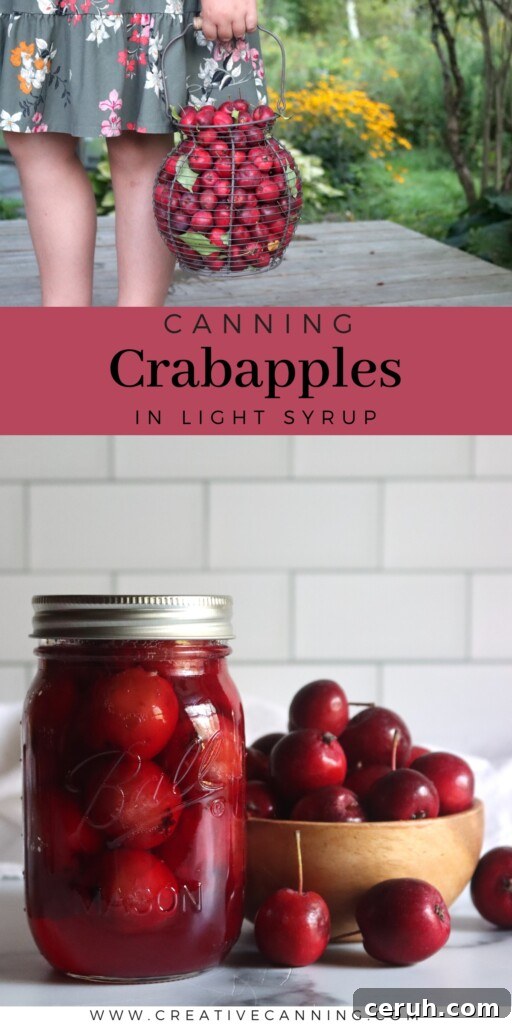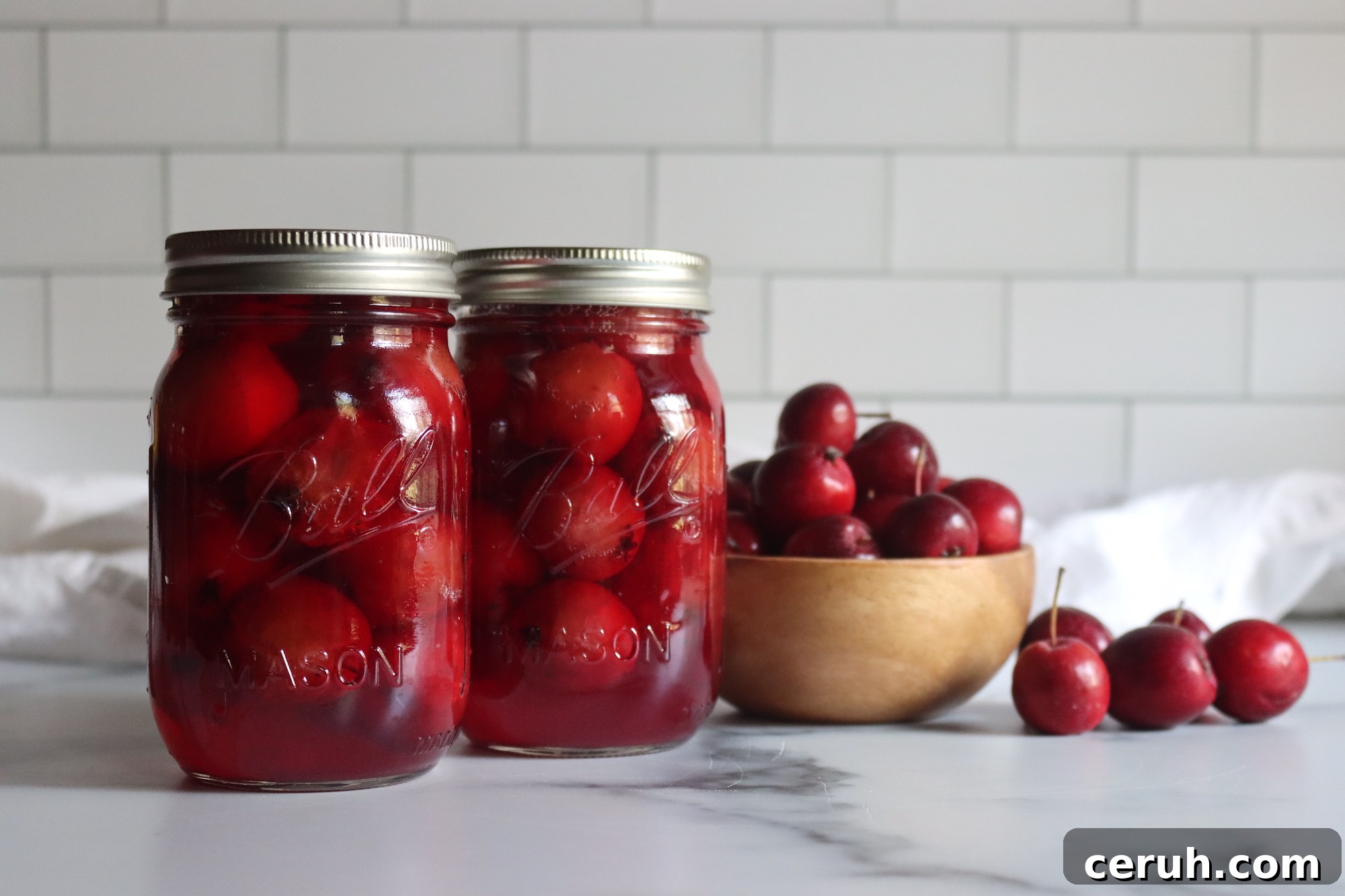
Canning crabapples is one of the easiest and most visually appealing ways to preserve the short fall season of this small tart fruit. Whole crabapples keep their shape well in jars and, when gently poached in a light syrup, become a tender sweet-tart treat that’s excellent on holiday platters, as a side for roasted meats, stirred into desserts, or enjoyed straight from the jar.
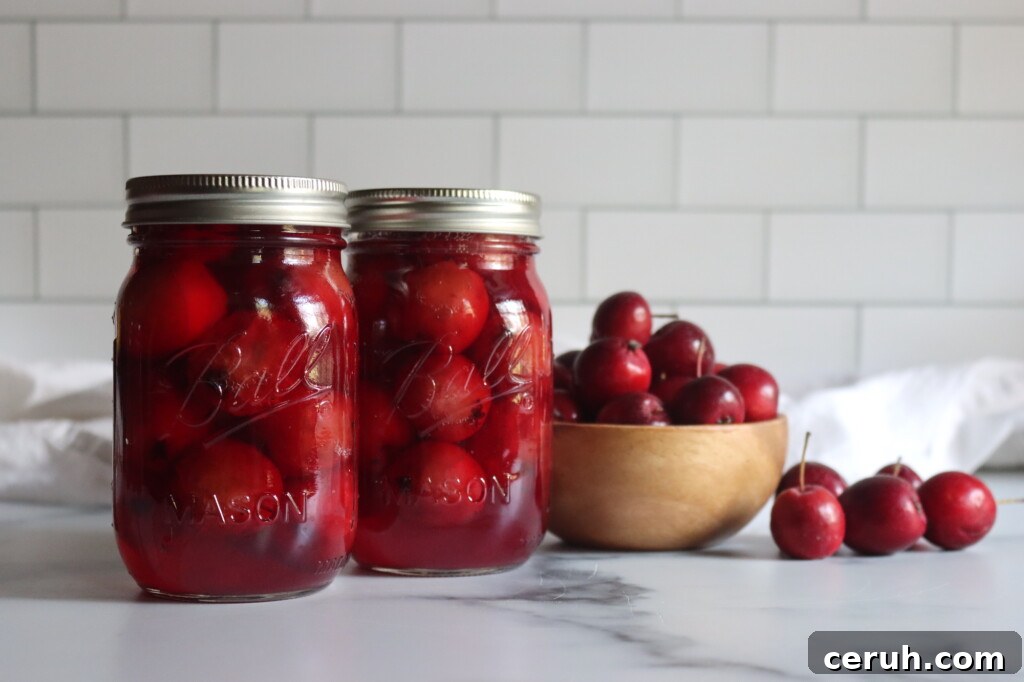
Crabapples rarely require peeling or coring for canning. Their skins add color and help the fruit keep its structure during processing. Because many varieties are quite tart when raw, a light syrup softens the acidity while preserving that bright, slightly astringent flavor that makes canned crabapples so versatile. If you prefer a less sweet outcome, you can use plain water or unsweetened juice for canning; the result will be less syrupy but still shelf-stable.
A bonus is the leftover syrup: it gathers flavor and color from the fruit and can be reserved for cocktails, iced tea, or to moisten cakes. Whether you harvest wild crabapples or buy cultivated varieties, this method is forgiving and adaptable, letting you choose sugar level and jar size to suit your pantry and taste.
A Quick Look at the Recipe
- Recipe Name: Canning Whole Crabapples
- Recipe Type: Whole Fruit in Syrup
- Canning Method: Water bath canning
- Prep Time: ~10 minutes active
- Canning Time: 20 minutes (adjust for altitude)
- Yield: 6–8 pints (approximately)
- Jar Sizes: half pints, pints, or quarts
- Headspace: 1/2 inch
- Ingredients Overview: crabapples, sugar, water (or juice)
- Difficulty: Easy
Preparing Crabapples for Canning
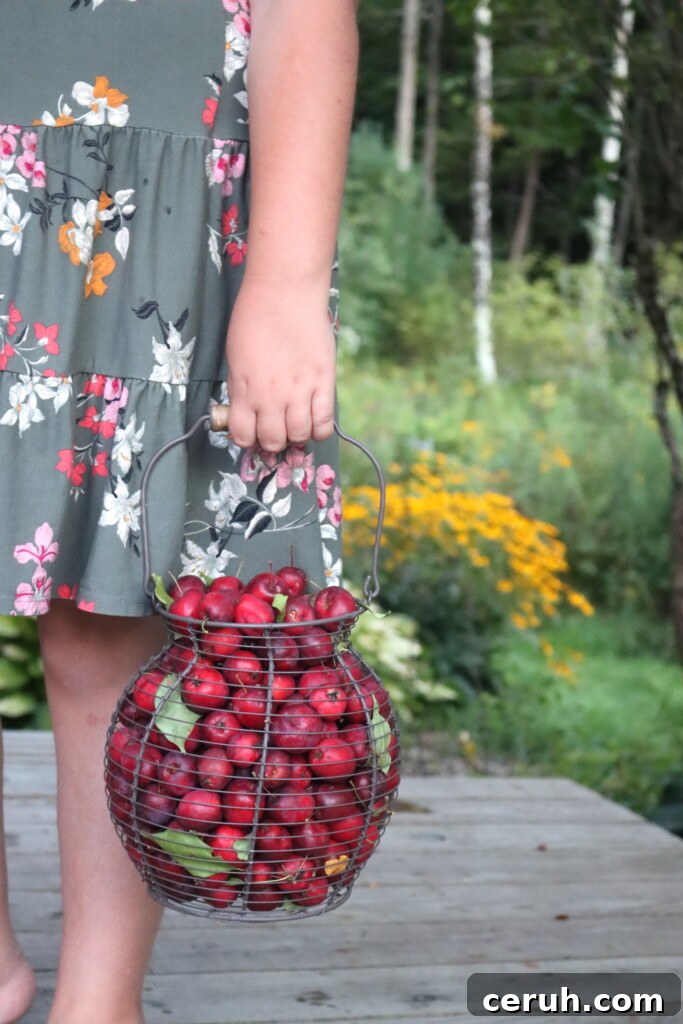
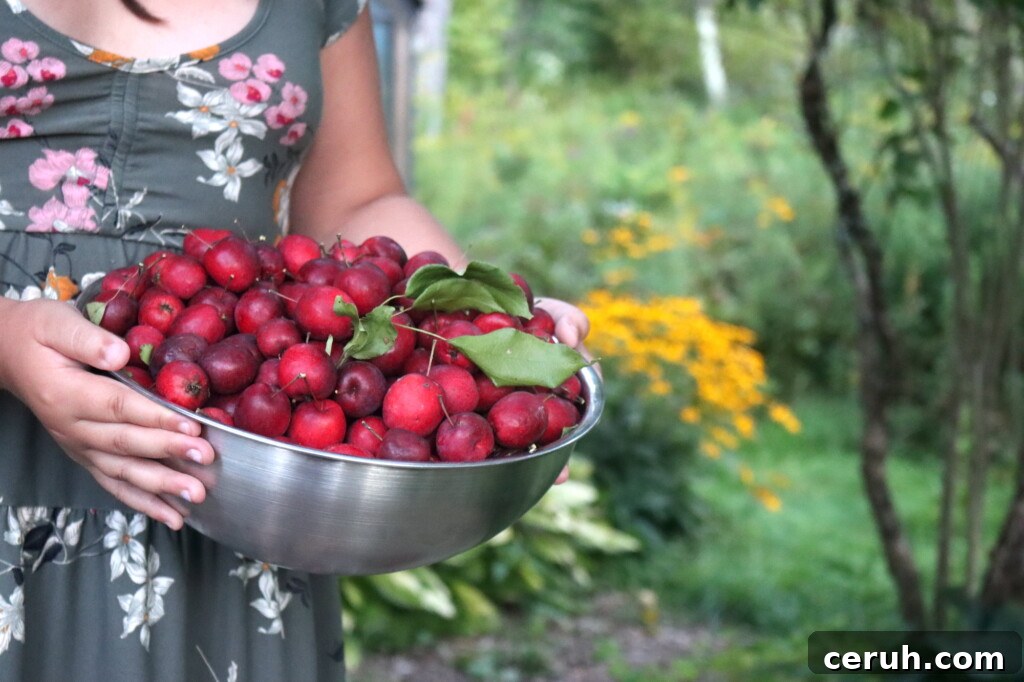
Select firm, ripe crabapples without bruises or soft spots. There is no need to peel or core them. Remove the stems, then prick each fruit two to three times with a fork or skewer to prevent bursting during processing—this is especially important for varieties with thicker skin. You may remove blossom ends if you prefer a neater appearance, but it’s not required.
Making the Canning Syrup
You can choose any USDA-approved syrup strength from extra-light to heavy depending on how sweet you want the final jars to be. Typical ratios are:
- Extra light: 3/4 cup sugar to 6 1/2 cups water
- Light: 1 1/2 cups sugar to 5 3/4 cups water
- Medium: 2 1/4 cups sugar to 5 1/4 cups water
- Heavy: 3 1/4 cups sugar to 5 cups water
This recipe uses a light syrup to balance the fruit’s tartness without overwhelming it with sweetness. To prepare, combine sugar and water in a large pot, bring to a boil while stirring until the sugar dissolves, then reduce the heat and keep the syrup hot but not rapidly boiling while you prepare the fruit.
Simmering the Crabapples
Gently add the pricked crabapples to the hot syrup and simmer for 5–10 minutes—just until the fruit is heated through and begins to soften. Avoid a vigorous boil or prolonged cooking; overcooked crabapples will split or turn mushy. The goal is tender, spoonable fruit that still holds its round shape.
Canning Instructions
Prepare your water bath canner, jars, and lids before you start. Warm clean jars in simmering water and keep lids hot (do not boil lids dry). Use a slotted spoon to pack hot crabapples into jars, leaving 1/2 inch headspace. Ladle the hot syrup over the fruit, maintaining the headspace. Remove trapped air bubbles, wipe rims clean, apply lids and screw bands to fingertip tight.
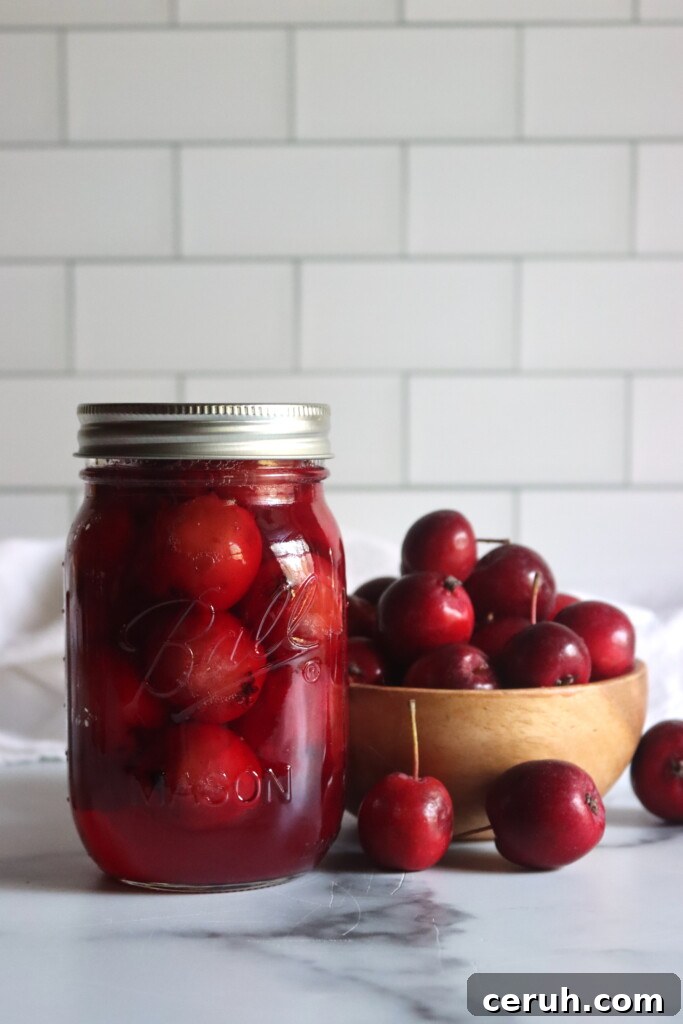
Process jars in a boiling water bath with at least 1–2 inches of water over the lids. For elevations up to 1,000 feet, process pints and quarts for 20 minutes. After processing, turn off heat and let jars stand in the canner for 5 minutes, then remove and cool undisturbed on a towel for 12–24 hours. Check seals, label, and store in a cool, dark place for up to 18 months.
Altitude Adjustments
Adjust processing time based on elevation:
- 0–1,000 feet: 20 minutes for pints and quarts
- 1,001–3,000 feet: 25 minutes for pints and quarts
- 3,001–6,000 feet: 30 minutes for pints and quarts
- Above 6,000 feet: 35 minutes for pints and quarts
FAQ
Can I can crabapples whole with stems and blossom ends? You can, but removing stems is recommended. Blossom ends are optional to remove for aesthetics.
Do I need to peel crabapples before canning? No. The skins soften during simmering and contribute color and texture.
Can I can crabapples without sugar? Yes. Use plain water or unsweetened juice if you prefer, though sugar helps preserve texture and flavor.
What varieties are best? Choose firm, tart varieties that hold their shape—some named varieties are known to perform well, but most firm crabapples will work.
Can I add spices to the syrup? Absolutely. Simmer a cinnamon stick, whole cloves, or star anise in the syrup before adding fruit. Remove spices before packing if you don’t want strong ongoing infusion, or leave them in the jars for a decorative flavor note.
Apple Canning Recipes
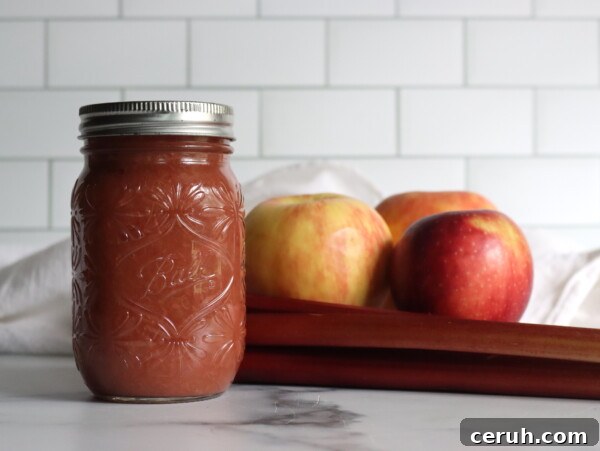
Rhubarb Applesauce
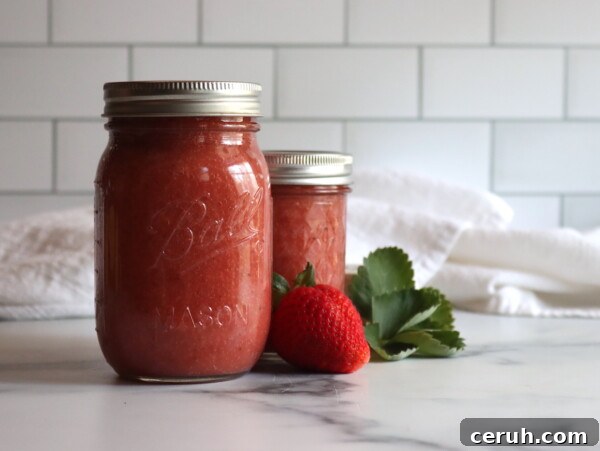
Strawberry Applesauce
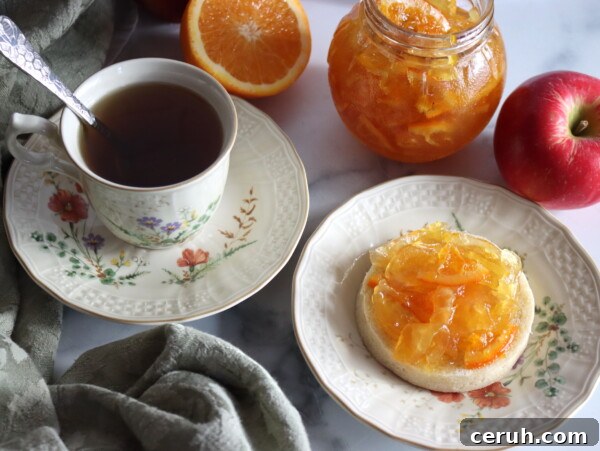
Apple Marmalade
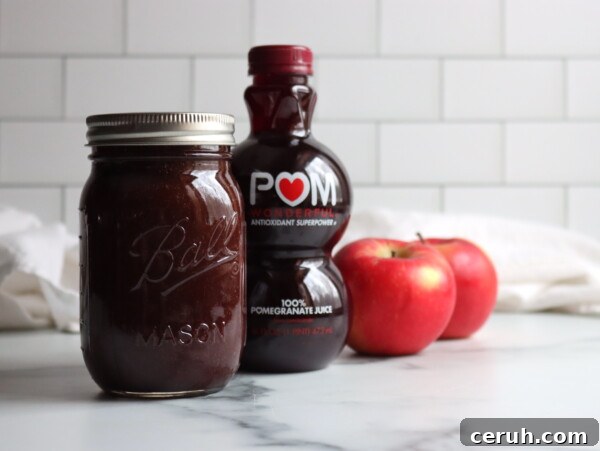
Pomegranate Applesauce
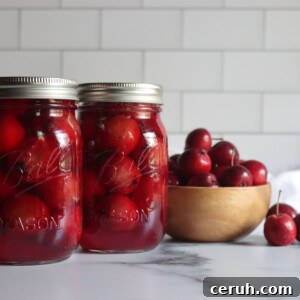
Canning Crabapples
Whole crabapples gently poached in a light syrup create a bright, shelf-stable preserve that keeps its shape and color. This tested approach produces 6–8 pints from about 5 pounds of fruit.
Prep: 5–10 mins • Cook: 5–10 mins • Canning time: 20 mins • Total: ~30 mins
Equipment
- Water bath canner (with rack)
- 6–8 pint jars with lids and bands
- Slotted spoon, ladle, jar lifter, and bubble remover
Ingredients
- About 5 pounds whole crabapples, stemmed and unpeeled
- 1 1/2 cups sugar (for light syrup)
- 5 3/4 cups water
Instructions
- Prepare jars and canner: Wash jars and warm them in simmering water. Heat lids and bands in hot water to soften seals; keep them hot but not boiling.
- Make the syrup: In a large pot, combine sugar and water, bring to a boil while stirring until dissolved, then reduce to a gentle simmer and keep hot.
- Prep the fruit: Rinse crabapples, remove stems, and prick each fruit 2–3 times with a fork or skewer to prevent splitting.
- Simmer crabapples: Add the pricked crabapples to the hot syrup and simmer gently 5–10 minutes until warmed through and just tender. Do not boil vigorously.
- Packing: Pack hot crabapples into warm jars with a slotted spoon, leaving 1/2 inch headspace. Ladle hot syrup over fruit, remove air bubbles, wipe rims, and apply two-piece lids, tightening to fingertip tight.
- Process: Place jars in the water bath canner ensuring they are covered by 1–2 inches of water. Process pints and quarts for 20 minutes (adjust time for altitude as noted).
- Cool and store: After processing, turn off heat and let jars sit for 5 minutes in the canner. Remove jars, place on a towel, and let cool undisturbed 12–24 hours. Check seals, label, and store sealed jars in a cool, dark pantry for up to 18 months.
Notes
- Yield: About 6–8 pint jars from 5 pounds of crabapples; yield varies with fruit size.
- Pricking the skin: Puncturing each fruit prevents bursting and promotes even heat penetration.
- Color changes: Some varieties may lose blush or red tones during cooking; this is normal.
- Serving ideas: Serve with pork, on cheese boards, spooned over ice cream, or used in baked desserts.
- Syrup alternatives: Use extra light, medium, or heavy syrup or substitute apple juice or water if you prefer less sugar. Ratios for other syrup strengths are listed above in the syrup section.
Altitude Adjustments
- 0–1,000 feet: 20 minutes
- 1,001–3,000 feet: 25 minutes
- 3,001–6,000 feet: 30 minutes
- Above 6,000 feet: 35 minutes
Nutrition
Approximate per serving: Calories 36 kcal; Carbohydrates 10 g; Protein 0.1 g; Fat 0.1 g; Sugar 8 g; Fiber 1 g. Use nutrition as an estimate.