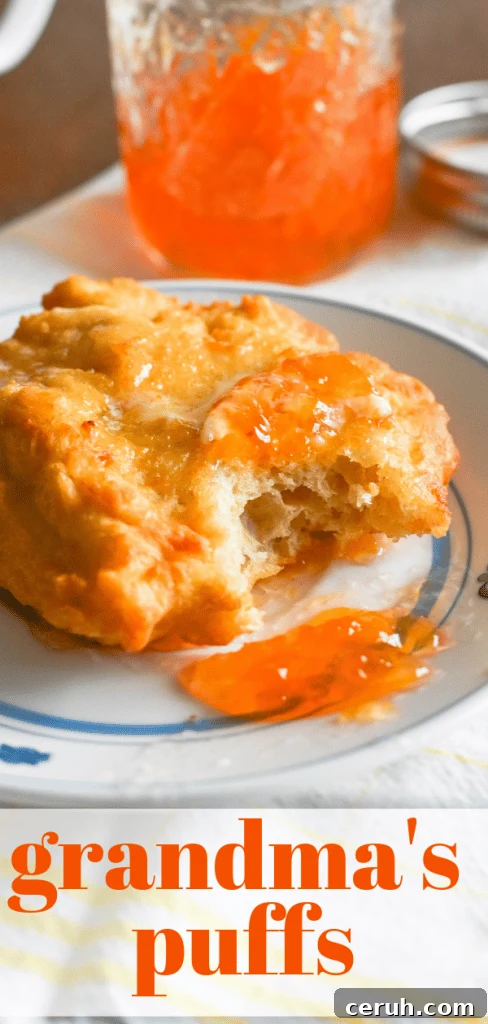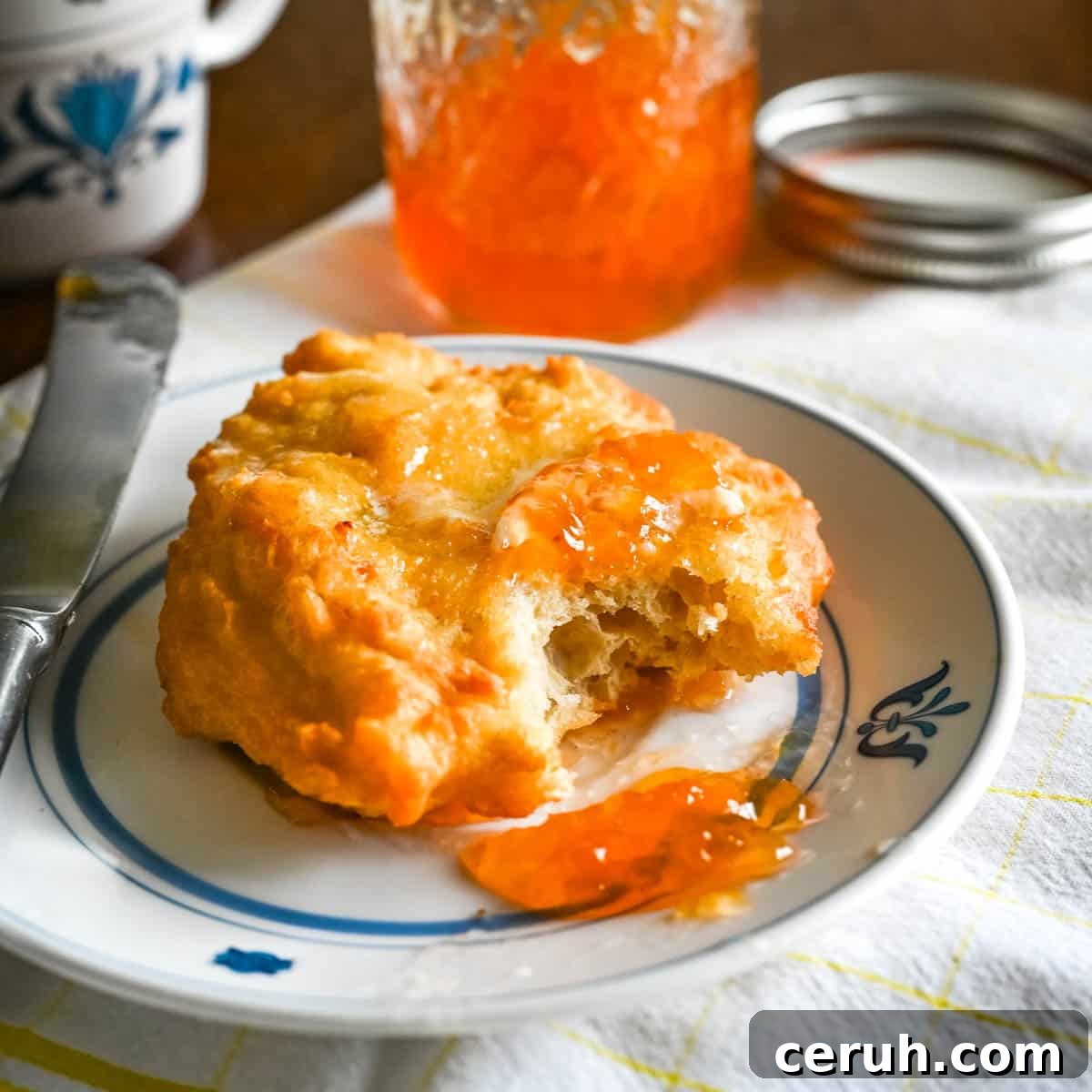
This fried dough recipe comes from my grandmother and yields golden, crispy-on-the-outside, soft-and-yeasty-on-the-inside fried bread we called “puffs.” We enjoyed them for breakfast with butter and jam. The dough is yeast-based and needs a rest overnight so you can fry the puffs the next morning.
One of my favorite childhood memories is Sunday mornings at my grandparents’ house, when my grandmother Myne would prepare the dough the night before so it was ready to fry after church.
I can still see her cast-iron skillet bubbling with oil as she pulled the dough into flat discs and slid them into the hot fat. She fried each piece until the underside was golden before flipping to finish browning the other side.
Myne worked like clockwork: frying, stacking the puffs on a paper towel–lined rimmed sheet pan to drain, and tucking batches into a warm oven until it was time to eat. My dad and Uncle Buck always tried to snag a few before anyone else got to them.
Why you’ll love this recipe:
- The dough is assembled in about 10 minutes the night before.
- No formal kneading or rolling required — just mix, let rise, then shape and fry.
- Economical and feeds a crowd.
- These fluffy fried breads are always a hit with family and friends.
- Kids adore them with butter and jam or preserves.
- Any leftover yeast dough can be formed into dinner rolls for another meal.
Ingredients for fried dough recipe:
- Instant yeast
- All-purpose flour
- Lukewarm water
- Granulated sugar
- Salt
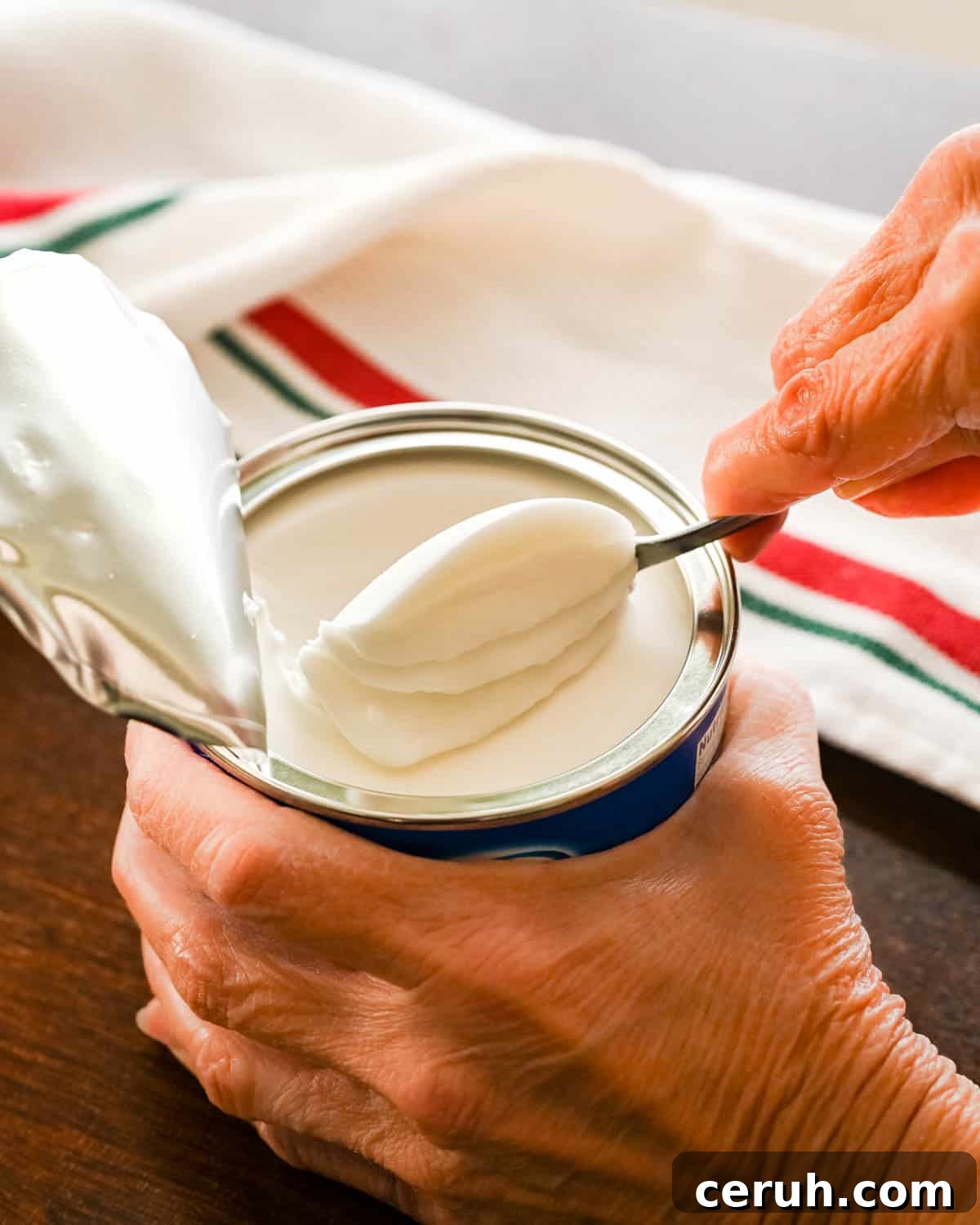
- Vegetable shortening (Crisco recommended)
Making foolproof dough
My grandmother loved to tease us. Each time she uncovered the bowl after the dough had risen overnight, she’d pretend to be shocked and announce, “the puffs didn’t rise.” We would rush in, only to find the dough fully risen — a prank she repeated with perfect timing every time.
How to make fried bread dough
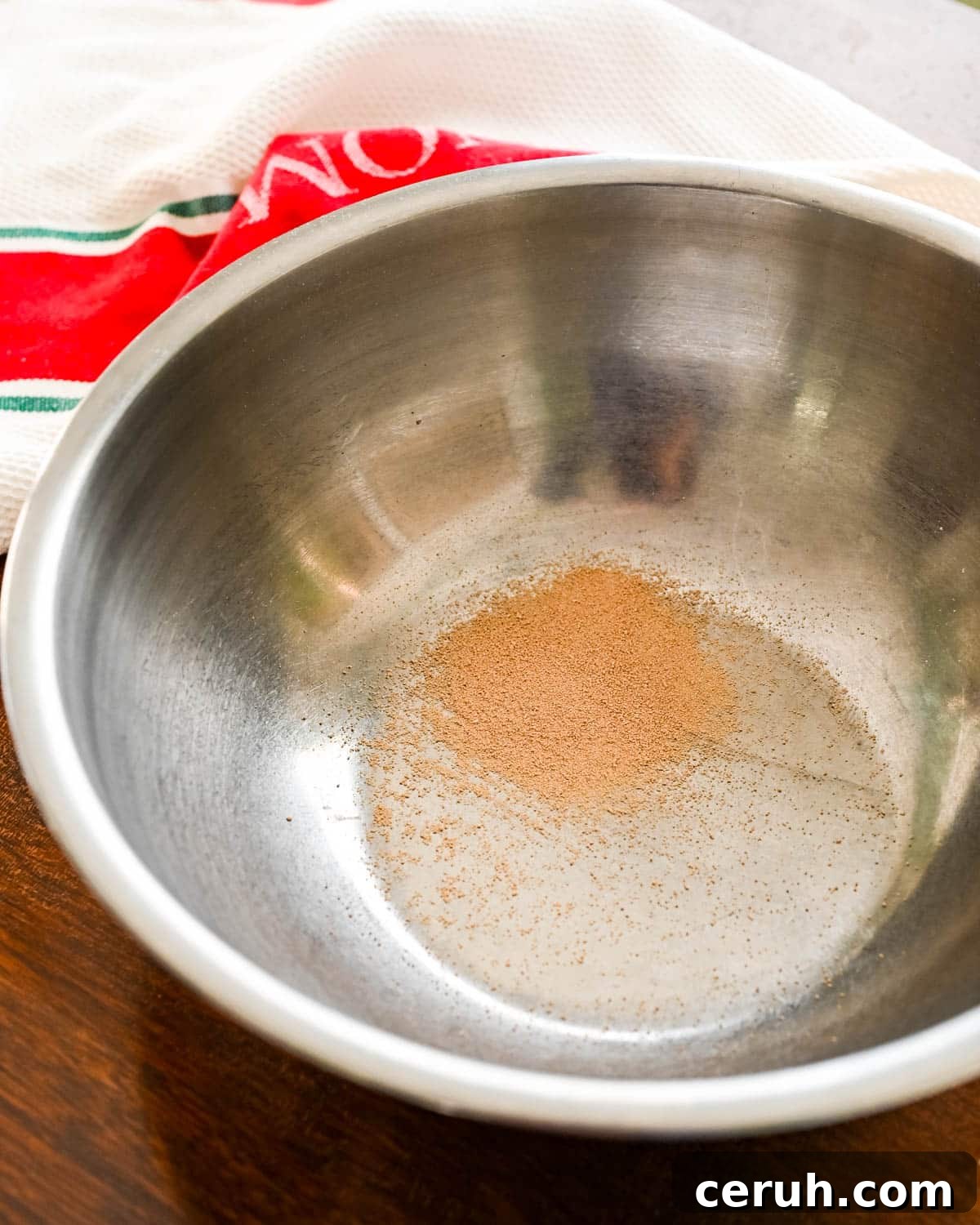
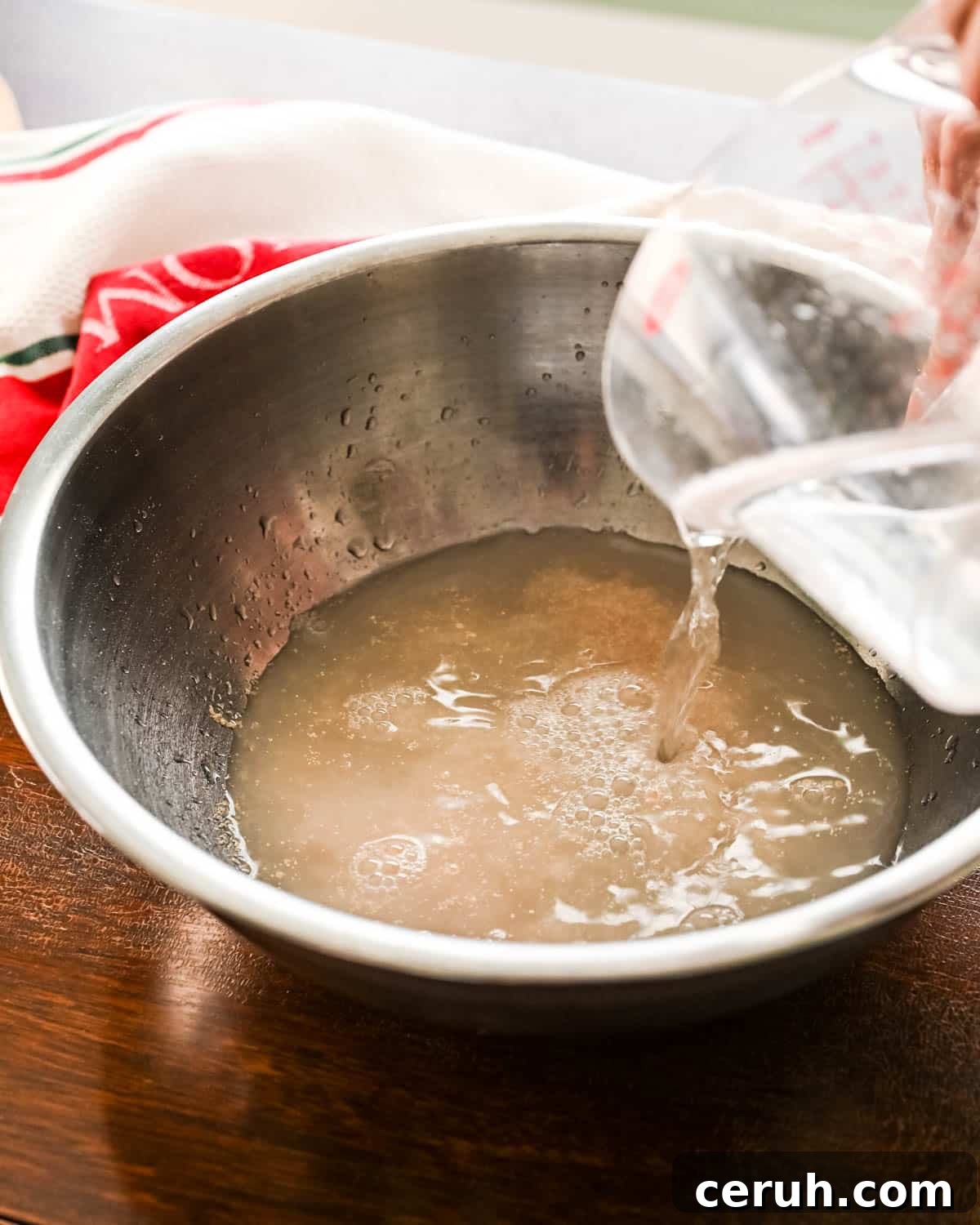
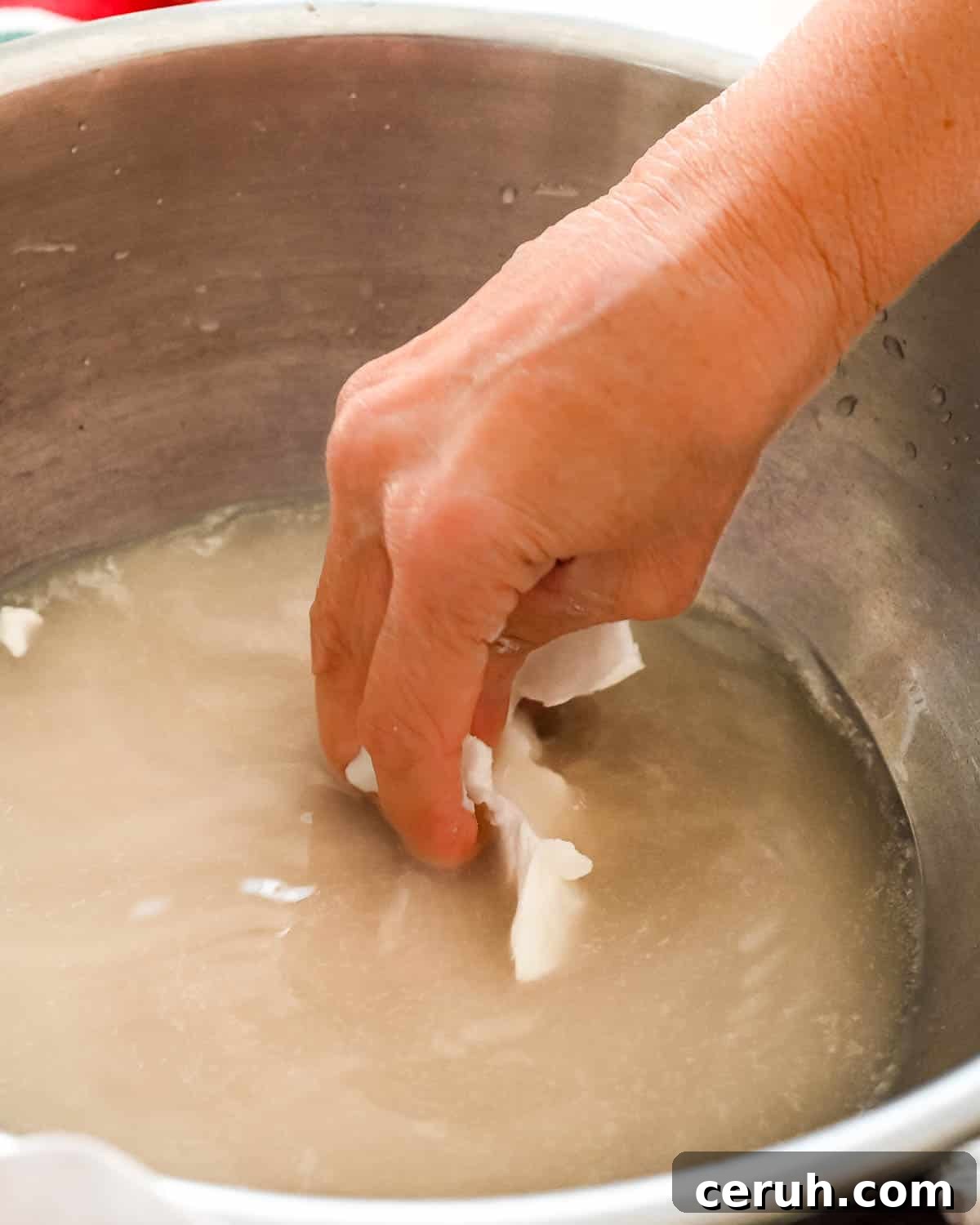
- In a large bowl, combine lukewarm water and yeast and stir until the yeast dissolves. (My family often used their hands to mix — old-school and effective.)
- Add the shortening and break it apart with your fingers until distributed.
- Stir in the sugar and salt and mix until dissolved.
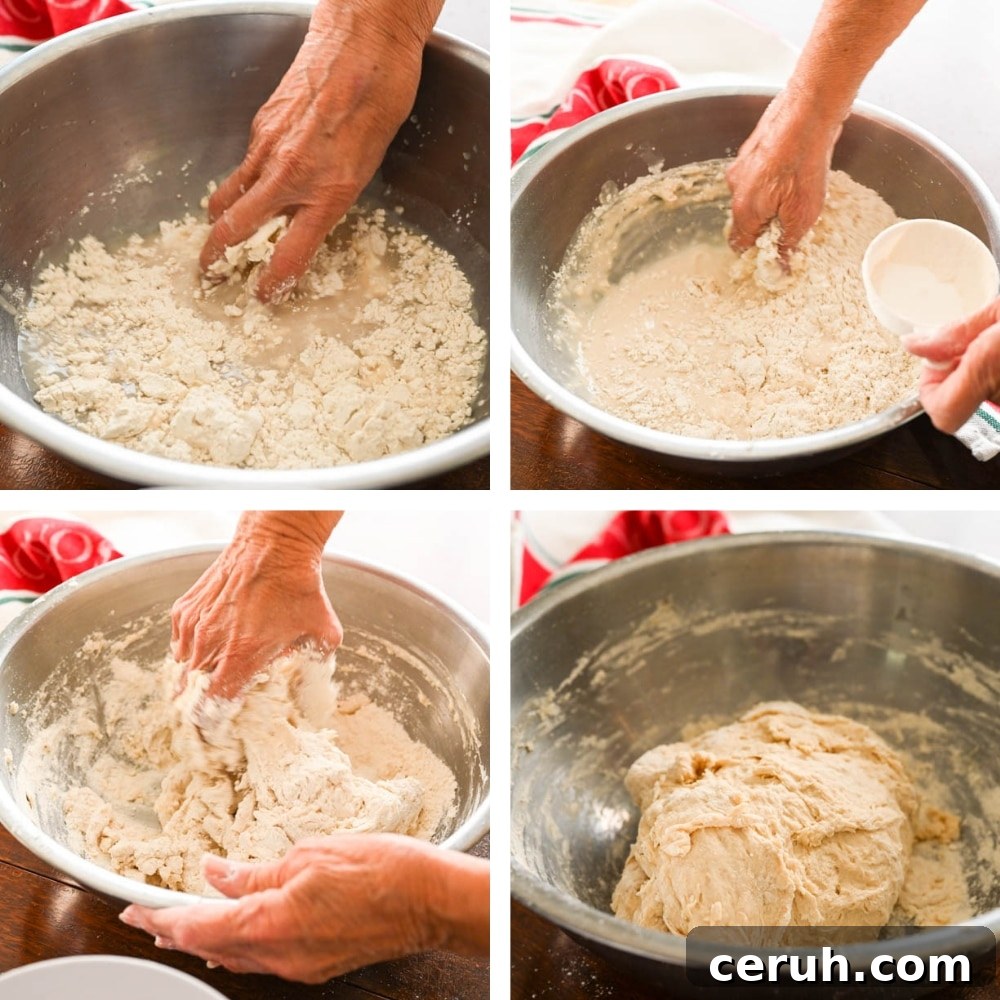
- Add flour gradually, stirring and working the dough until it becomes smooth and elastic.
Yeast dough has to rise
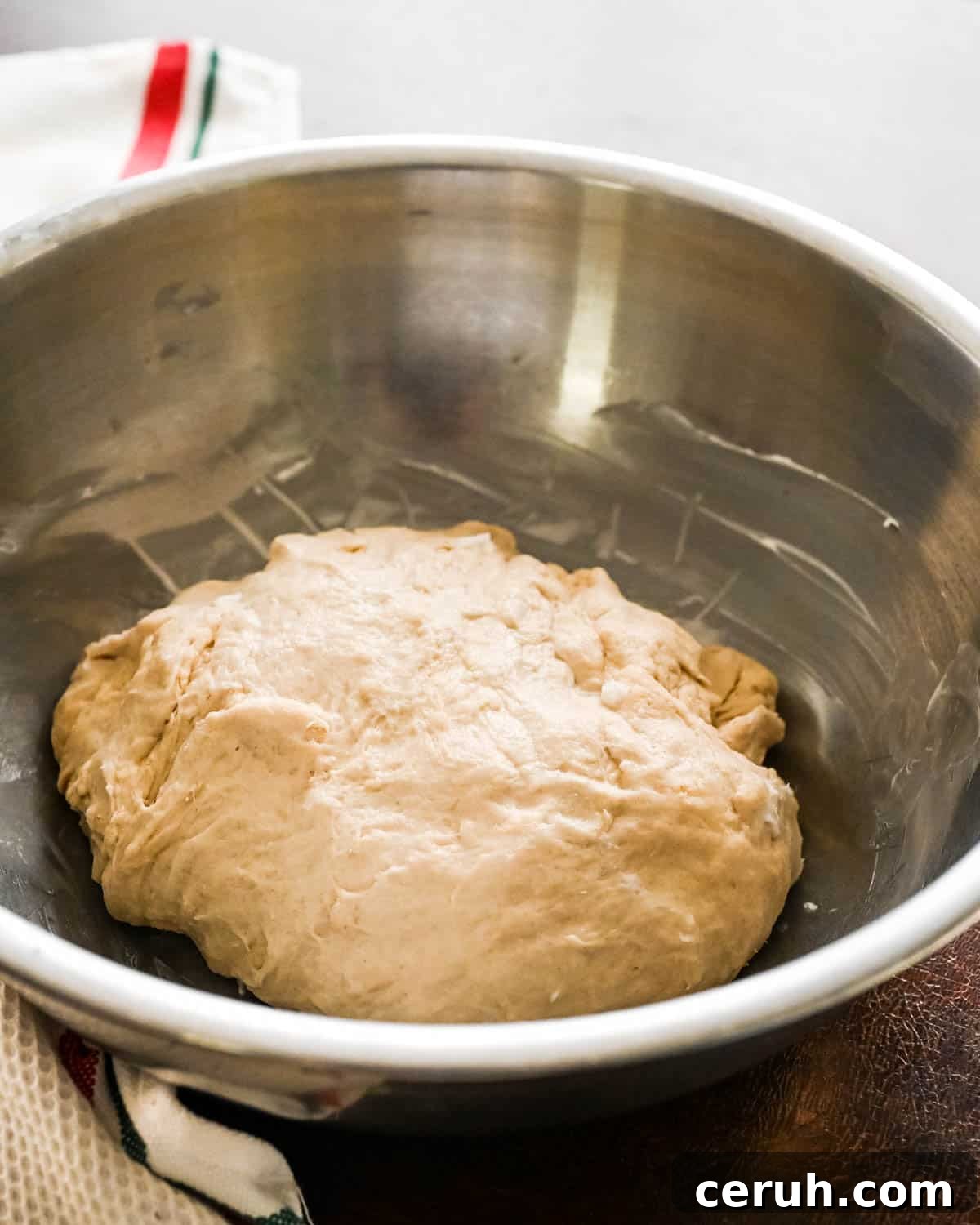
Form the dough into a ball, place it in a lightly greased bowl, flip it once or twice so the surface is lightly coated (this helps prevent a skin), then cover with a clean towel. Let it rise in a draft-free spot for at least two hours or overnight.
And if you want to practice your grandmother’s prank line, now’s the time to rehearse it in the mirror.
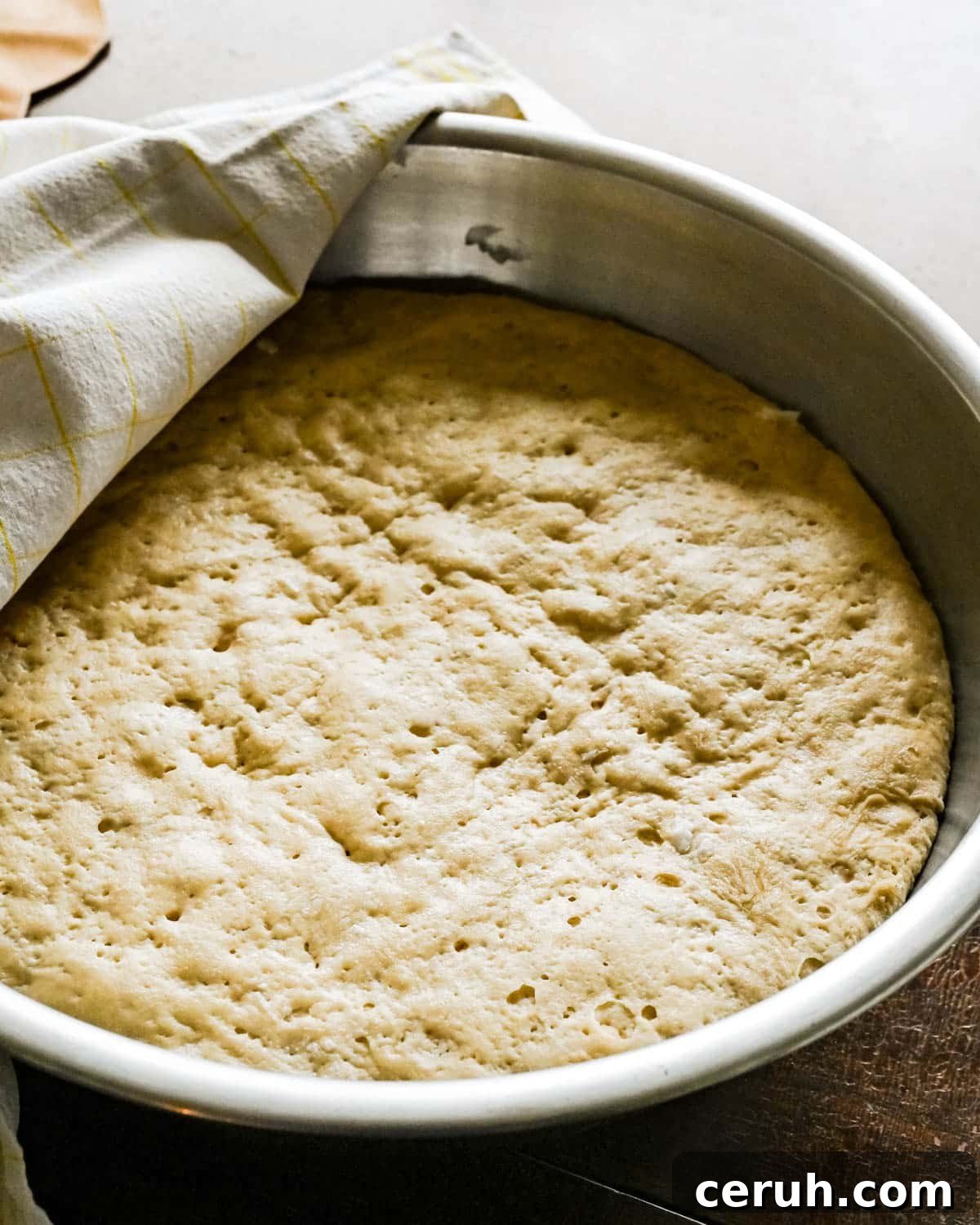
How to make fried dough
- Use a heavy, deep skillet or Dutch oven and add about 2″ of vegetable oil or shortening for frying. Heat to roughly 350°–375°F.
- Make a tester: pinch off a small piece of dough, stretch it thin, and place it in the oil. If the oil bubbles vigorously around it, the temperature is right.
- Pinch off a golf ball–sized piece of dough, flatten it in your hands and stretch the edges until the disc is about 3″–4″ across and roughly 1/4″ thick. It need not be a perfect circle.
- Carefully slide the dough into the hot oil, releasing it away from you to avoid splatters.
- Fry for 1–2 minutes until the underside is golden, then flip and cook another minute or so until crisp and golden all over.
- Transfer to a paper towel–lined sheet pan to drain and keep warm in a low oven, or serve immediately—fresh from the fryer is best.
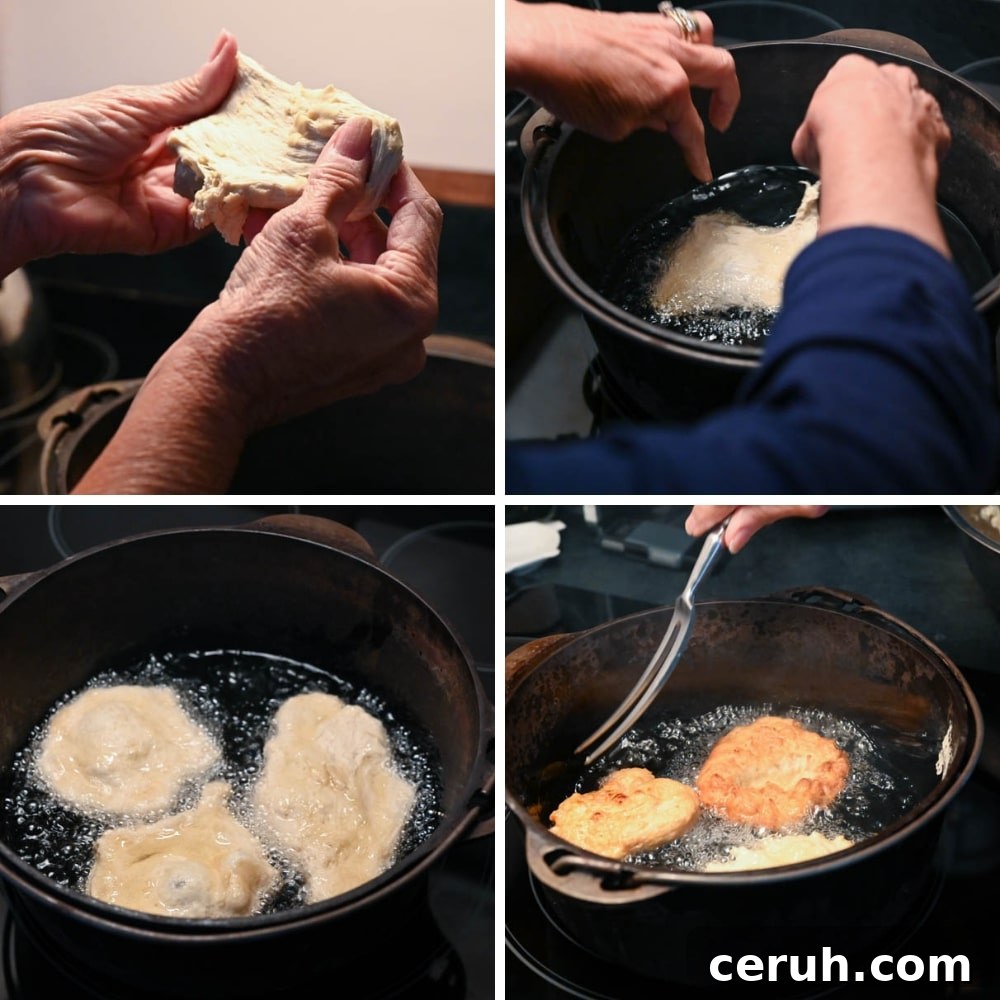
Pro tips
Fried dough cooks quickly — don’t step away from the fryer to avoid burning the puffs. Keep curious children at a safe distance while frying, as hot oil can splatter.
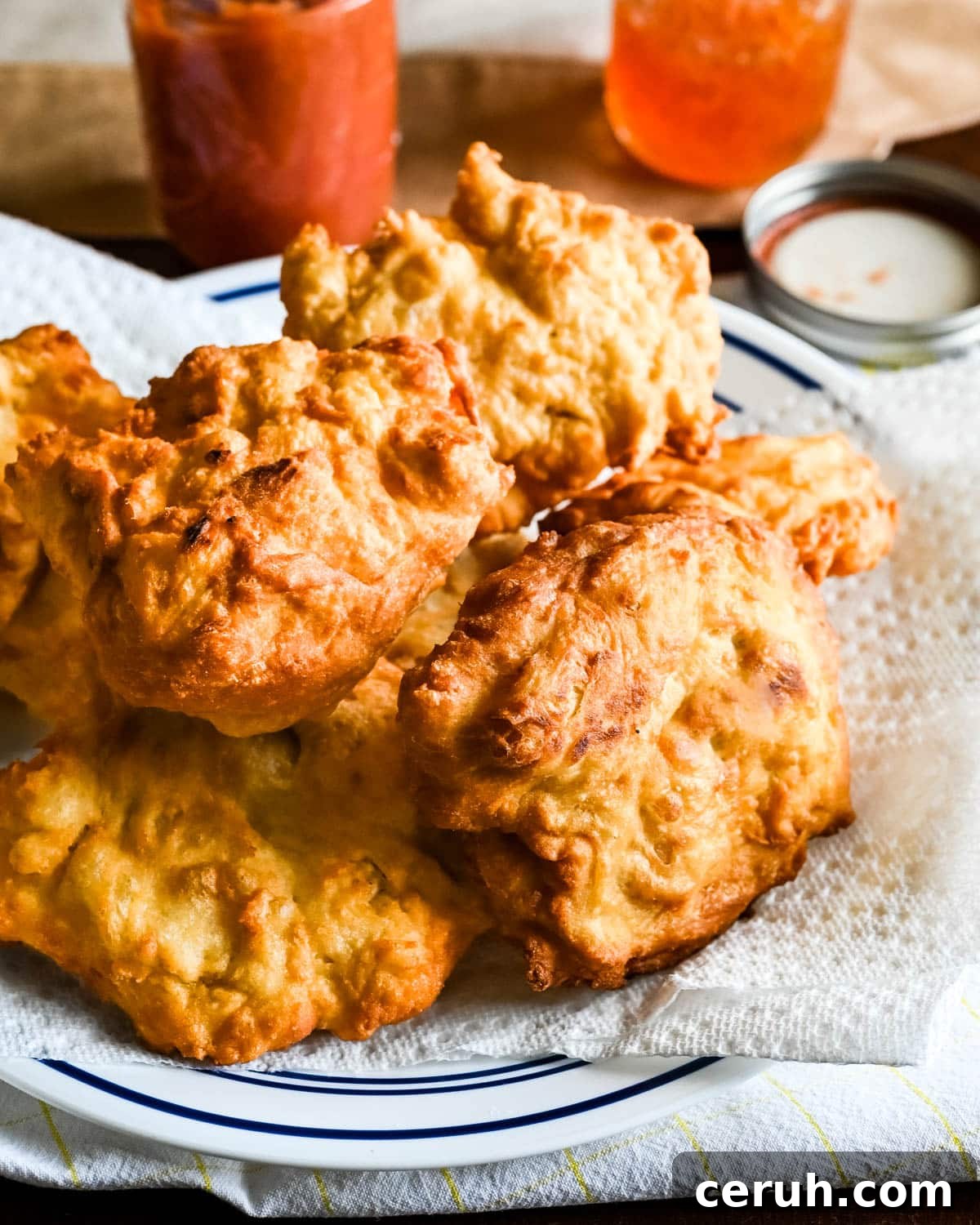
What is fried dough called?
We called these “puffs,” but fried dough appears in many cuisines under different names and with slight ingredient or technique variations. Some examples include Indian fry bread (often made with baking powder), Scottish bannocks, Italian zeppole or pizza fritta, carnival-style elephant ears, African puff puff, vetkoek, and French beignets.

FAQs
Yes. Variations of fried dough are found worldwide, differing in ingredients, toppings, and how they’re served.
They’re similar. Traditional fry bread often uses baking powder, while this recipe is yeast-based.
Because it’s deep-fried, typically in shortening or oil, which increases calorie and fat content.
You can freeze cooked puffs, though they’re best fresh. Alternatively, if you don’t fry all the dough, shape the remainder into rolls and bake them later.
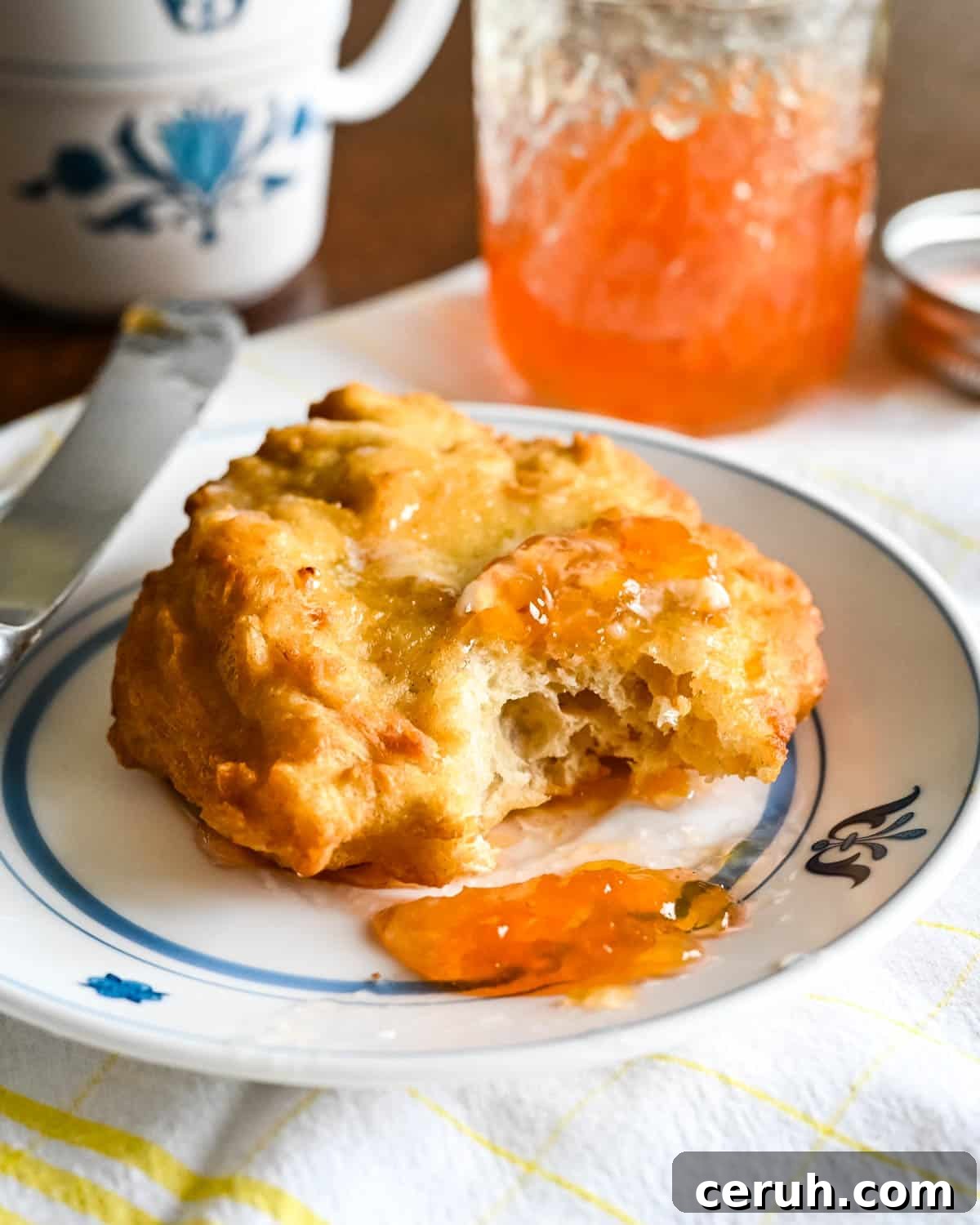
How does my grandma’s fry bread taste?
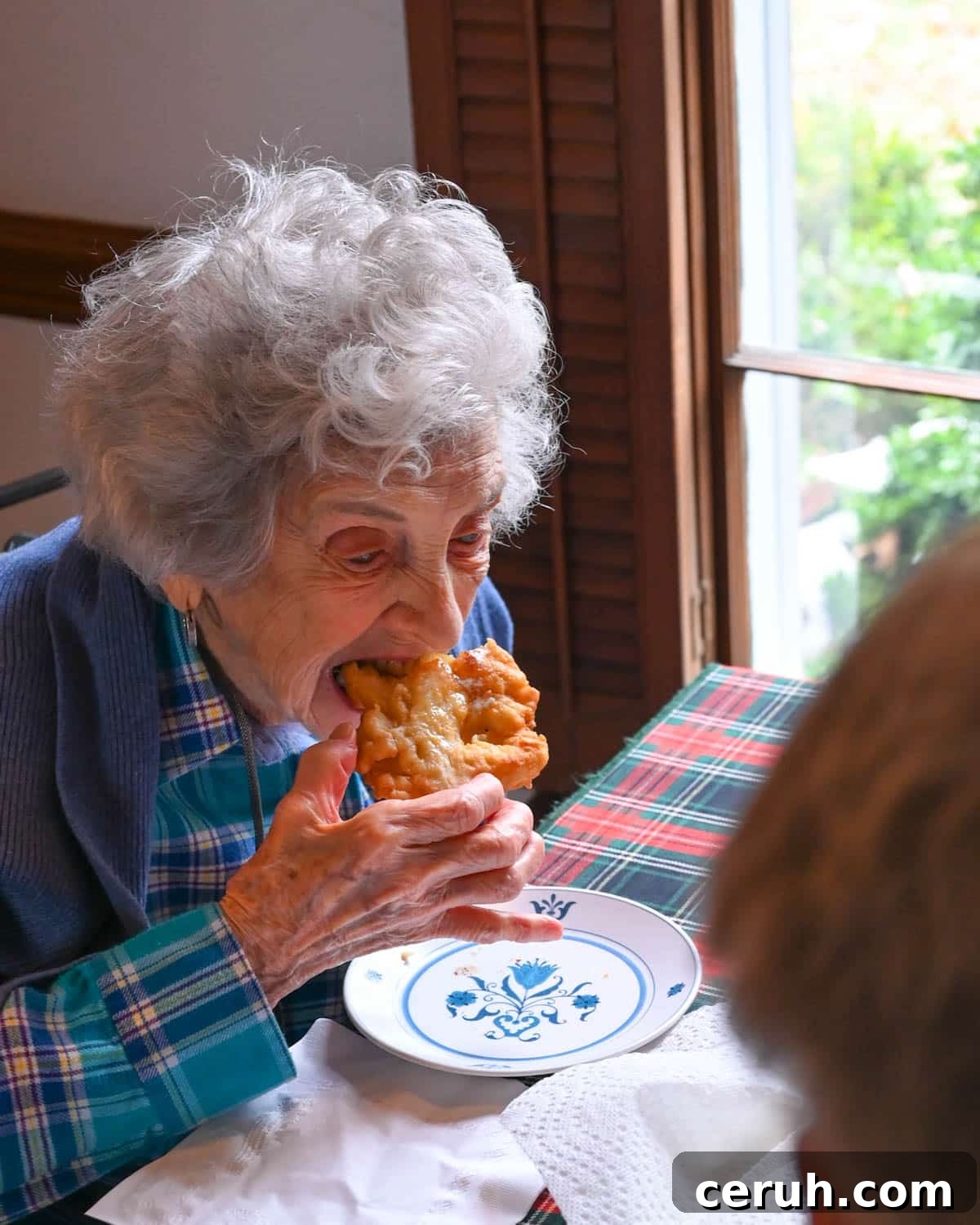
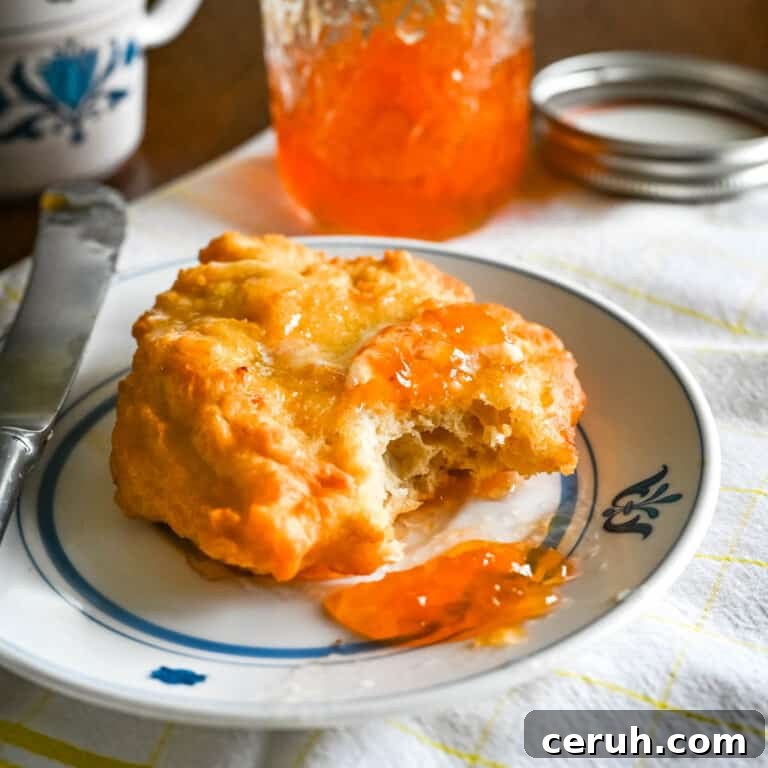
In one word: divine. The outside is crackly and crisp while the inside puffs hot and yeasty. On its own the bread is savory, so we treat it like toast and spread generous pats of butter and jam. Some prefer powdered sugar or syrup, but Myne would have insisted on butter and jam.
What pairs well with yeast fry bread:
- Peach jam
- Guava jam
- Spiced pear butter
- Red berry chia jam
- Calamansi lime marmalade
- Pumpkin apple butter
More breakfast breads you might like:
- Gluten-free apple buckwheat muffins
- Cranberry orange scones
- Blueberry banana bread
- Onion, poppy & sesame bialys
Fried dough (Grandma’s fry bread recipe)
SPECIAL EQUIPMENT:
-
Heavy pot, cast iron skillet or Dutch oven for frying.
-
Instant read thermometer (optional) to check oil temperature.
INGREDIENTS:
- 2 cups lukewarm water about 110°F
- 1 rounded tbsp vegetable shortening (about the size of an egg; Crisco works well)
- 1 tbsp salt
- 1 tbsp sugar
- 1 package instant yeast
- 4½–5 cups all-purpose flour
DIRECTIONS:
To Make The Puff Dough
-
Add the yeast to a large bowl and stir in the water. Let the yeast dissolve and bloom for a few minutes.
-
Add the shortening and break it apart in the water with your fingers.
-
Stir in the sugar and salt until dissolved.
-
Add flour a little at a time, kneading with your hands until the dough is smooth and elastic. Form into a ball.
-
Lightly grease a large bowl with shortening and place the dough inside. Flip it once or twice to coat lightly, cover with a dish towel, and set in a draft-free place to rise (I often set it in a cold oven).
-
Let the dough rise for 2 hours or overnight.
Make a tester
-
Heat a wide, deep cast-iron skillet or Dutch oven over medium-high and add about 2 inches of oil or shortening. Heat to 350°–375°F.
-
Carefully place a small piece of dough into the oil. If it bubbles rapidly around the dough, the oil is hot enough.
-
Pinch off a dime-sized piece, stretch it thin (about 1/4″), and fry for 1–2 minutes until golden on the bottom. Flip and cook another minute. Taste this tester to confirm the oil temperature.
Fry the yeast dough
-
Line a sheet pan with paper towels. Pinch off golf ball–sized pieces of dough, flatten and stretch to 3″–4″ discs.
-
Carefully place the discs into the hot oil away from you to prevent splashes.
-
Fry 1–2 minutes until golden, flip and fry another minute until crispy and golden. Depending on pan size, fry 3–4 at a time.
-
Transfer to the paper towel–lined pan and keep warm in a low oven, or serve immediately.
-
Continue frying in batches until all dough is used.
NOTES:
NUTRITION:
|
Carbohydrates: 61g
|
Protein: 8g
Pin it for later!