

There’s something irresistible about iced coffee: the clink of ice, the cool glass beading with condensation, and that small water droplet sliding down the bottle as you stand in the heat. If you’ve ever spent too much at coffee shops for cold brew, you’re not alone. Making cold brew at home is simple, economical, and delivers a smooth, refreshing drink without specialty equipment.
For a fuss-free method, all you really need is a mason jar and a straining tool. A nut milk bag works great, but a fine-mesh sieve lined with a paper coffee filter or a cheesecloth will do the job just as well. This recipe is designed to fit in a single mason jar, which is convenient for making a modest batch that will last a few days without going stale.
Why make cold brew at home?
Cold brew is brewed with cold water over a long steep time, which extracts flavors differently than hot brewing. The result is a less acidic, smoother cup that’s ideal over ice or with milk. Making cold brew at home lets you control bean origin, grind size, and strength, while saving money and avoiding extra kitchen gadgets. The approach below focuses on simplicity and consistent results using everyday items.
What you’ll need
- Mason jar (or any clean, sealable glass container)
- Whole coffee beans and a grinder or a blender
- Filtered water (cold or room temperature)
- Straining device: nut milk bag, fine-mesh sieve with a paper coffee filter, or cheesecloth
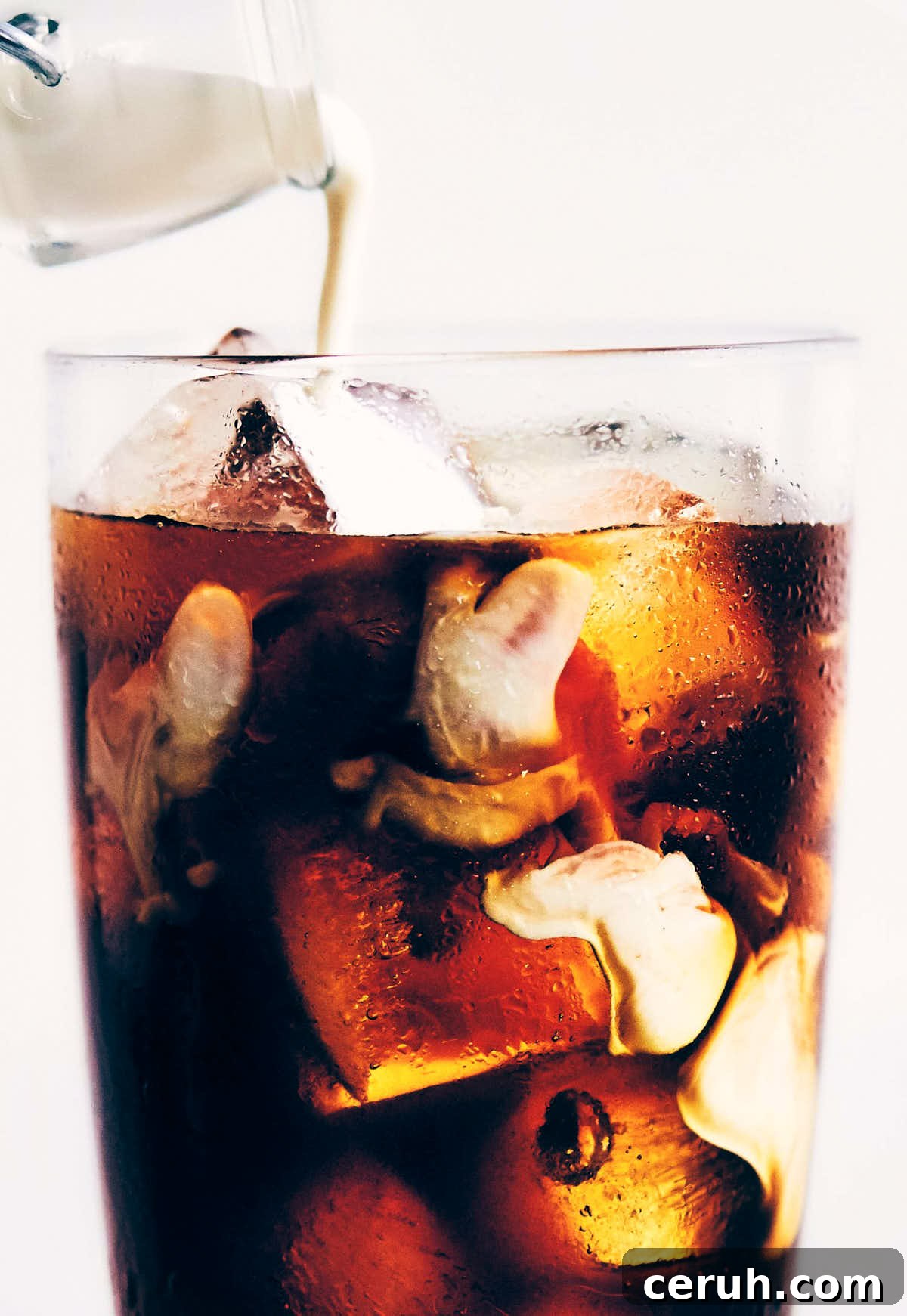
- Optional: ice and milk or creamer for serving
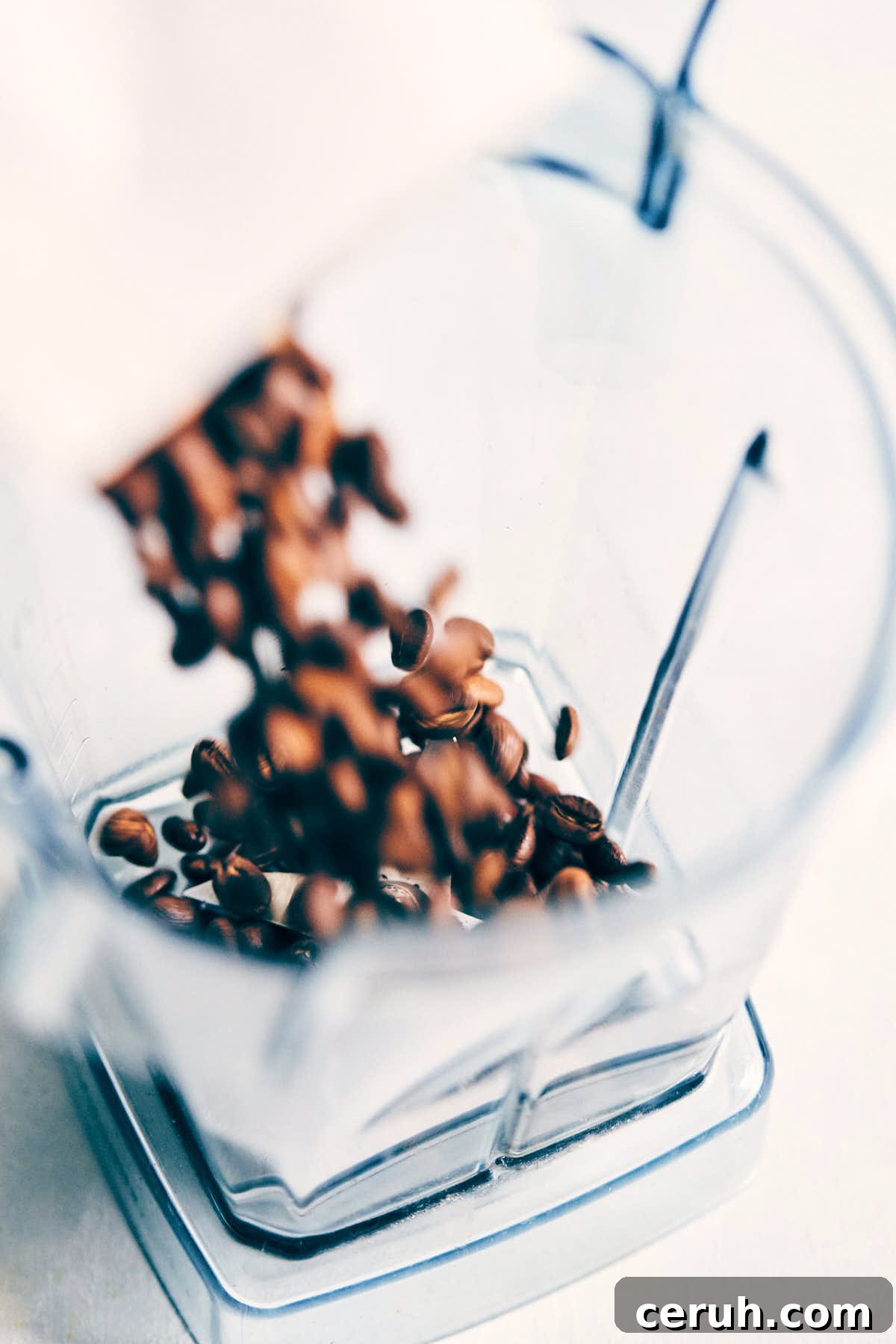
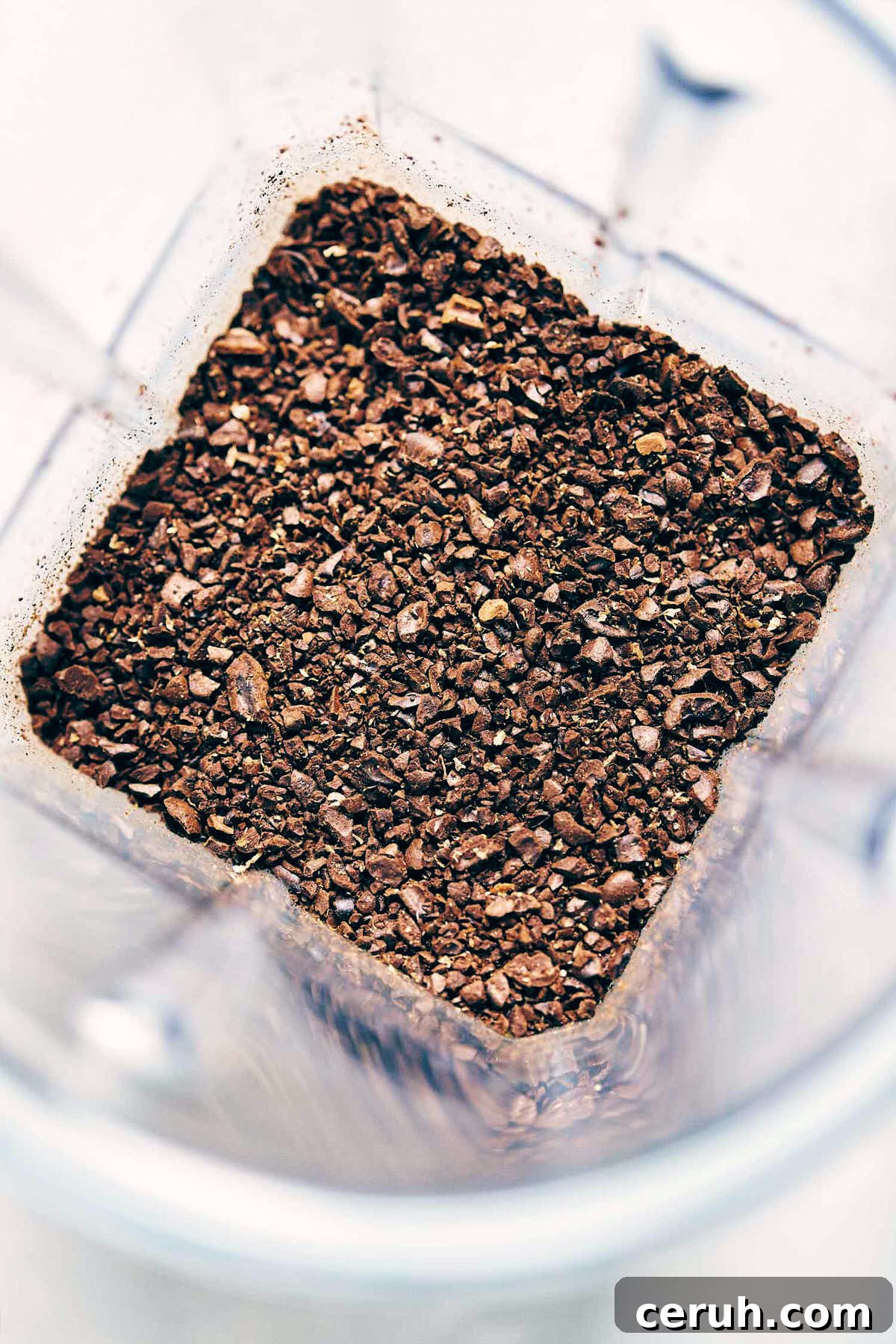
The first step is to coarsely grind your coffee beans. If you don’t own a burr grinder, a blender works in a pinch—use the pulse function so you can check frequently and stop when the beans are coarsely broken up. The ideal grind resembles coarse sea salt or rough bread crumbs. Avoid over-grinding, as a fine grind can cause cloudy, overextracted cold brew.
Once the beans are coarsely ground, transfer them to your mason jar. Add the measured water and stir thoroughly to ensure all grounds are wetted. Seal the jar and place it in the refrigerator to steep. We recommend approximately 16 hours for a balanced extraction; however, a range of 12–18 hours works well depending on your taste preferences. Shorter steep times yield a milder concentrate, while longer steep times produce a stronger, richer extract.

Straining and storing
After steeping, strain the coffee through your chosen filter. If using a sieve, line it with a paper coffee filter or a sheet of cheesecloth to catch fine particles. A nut milk bag allows you to squeeze and extract the liquid cleanly. Transfer the strained cold brew back into a clean jar or bottle and refrigerate. The concentrate will taste strong—that’s intentional, because you’ll likely add ice or milk which dilute the brew to a pleasant drinking strength.

Adjusting strength and storage tips
If the cold brew is too strong after straining, simply add cold water to the jar to reach your preferred strength. If it’s too weak, you can return the grounds to the jar and steep longer, or increase the coffee-to-water ratio next time. A single mason jar batch typically lasts most of the work week if kept refrigerated; avoid keeping cold brew longer than one week to maintain flavor quality.
Recipe
Mason Jar Cold Brew Coffee
Make your own cold brew at home—affordable, smooth, and simple. No special equipment required.
Prep Time: 5 minutes
Total Time: 16 hours (includes steeping)
Servings: 4
Author: Bri Beaudoin

Ingredients
- ⅔ cup whole coffee beans (about 2.3 oz)
- 3½ cups filtered water (cold or room temperature)
Instructions
- Grind and steep: Grind beans coarsely using a grinder or blender (pulse until coarse). Transfer grounds to a mason jar and add water. Stir to fully wet the grounds, cover, and refrigerate for about 16 hours (12–18 hours is fine).
- Strain: Pour the mixture through a sieve lined with a paper coffee filter or use a nut milk bag to strain. Transfer the strained cold brew to a clean jar and refrigerate. Serve over ice with milk or creamer if desired.
Notes
- Grinding beans: If you prefer, have beans ground at the store on a French press setting.
- Cold brew should be a bit strong to allow for dilution from ice or milk. If it’s too strong after straining, add a little water. If it’s too weak, steep longer or increase the coffee amount next time.
Nutrition
Calories: 2 kcal | Protein: 1 g | Fat: 1 g | Sodium: 4 mg | Potassium: 102 mg