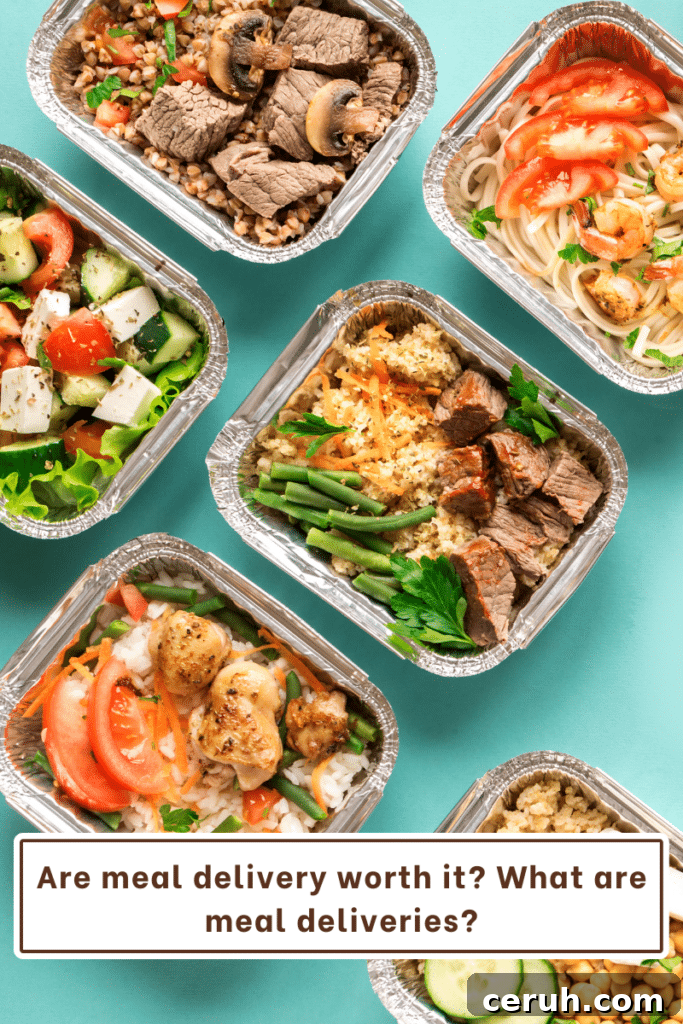
With increasingly busy schedules, many people are turning to meal delivery services to save time and reduce the daily burden of shopping and cooking. For families and busy parents, especially those conscious about budget and efficiency, meal deliveries can be an attractive option.
Top-rated meal delivery services let you choose from a varied menu and deliver pre-prepared or ready-to-cook meals to your door. These services have grown in popularity because they are convenient, often cost-effective, and time-saving. But are they truly worth it? The answer depends on your priorities, budget, and lifestyle. Below is a clear, balanced overview to help you decide.
What are meal delivery services
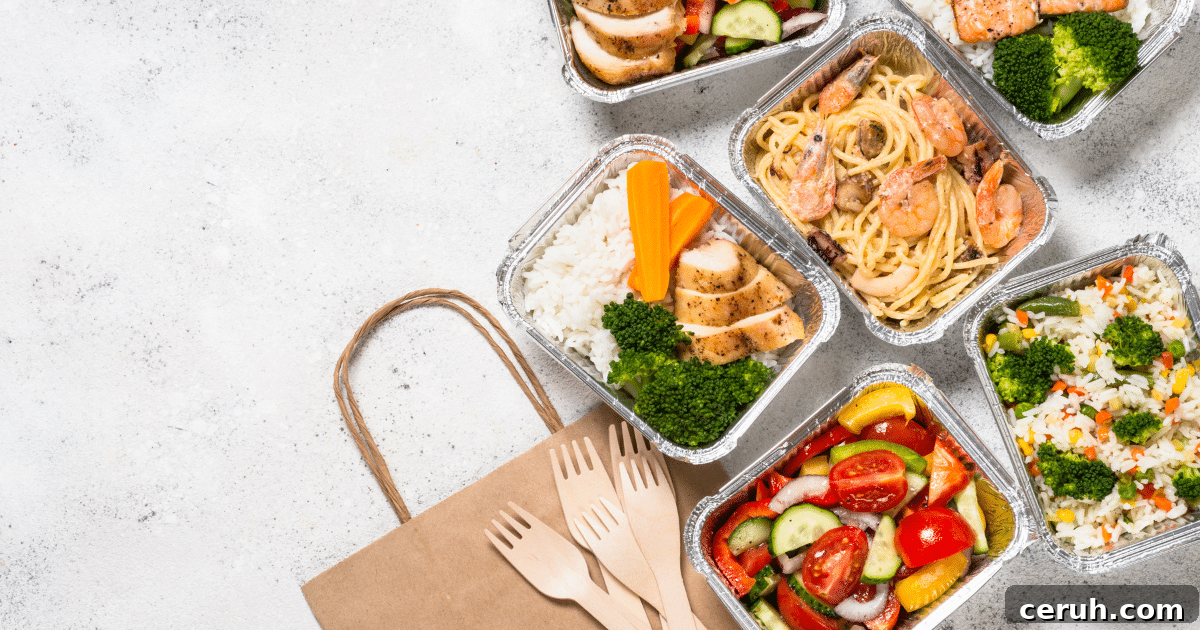
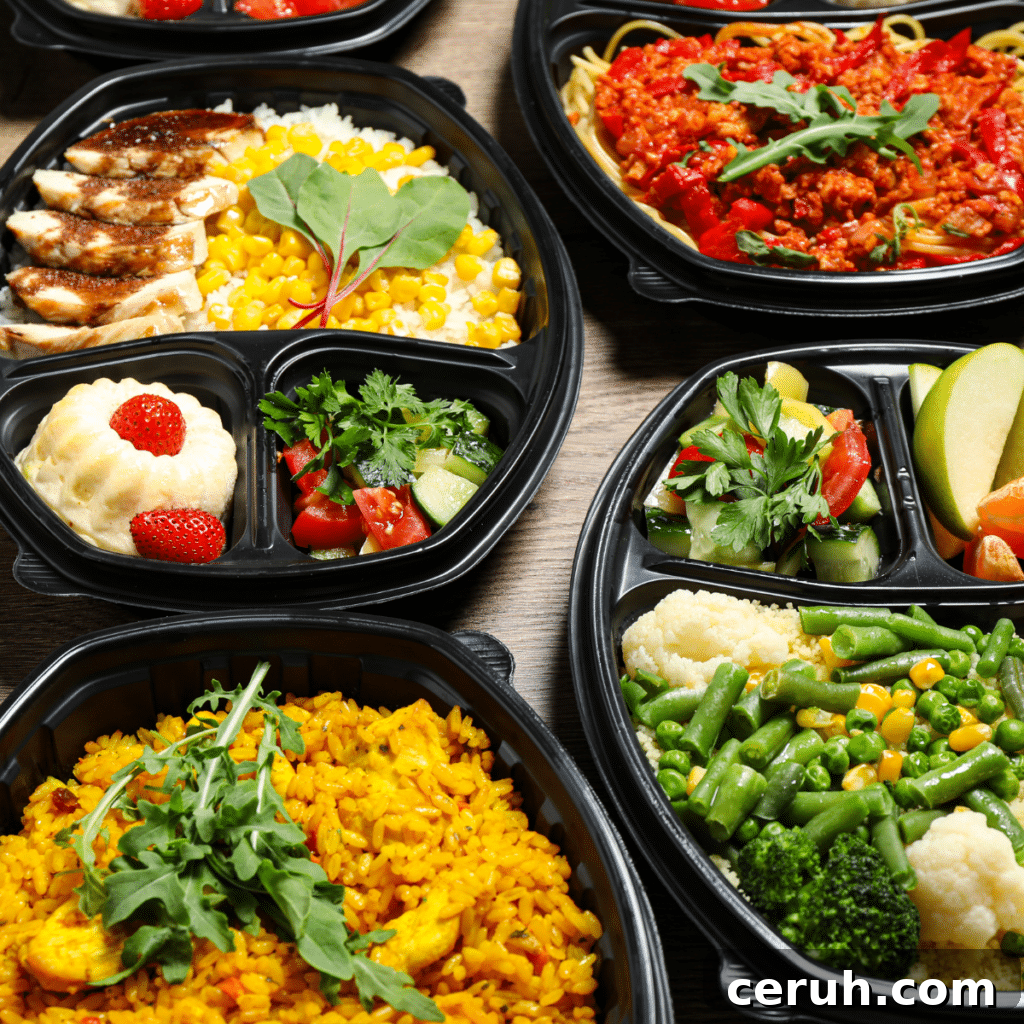
Meal delivery services allow you to order fully prepared meals or meal kits that arrive at your home ready to heat or assemble. They eliminate grocery shopping, meal planning, and much of the prep work. Many providers offer options tailored to different dietary needs—such as low-calorie menus, plant-based choices, keto plans, and more—so customers can pick meals that match their nutrition goals.
Whether meal delivery is a good fit depends on what you value most: convenience, variety, nutrition, cost savings, or culinary experience. Consider the following pros and cons before committing to a subscription.
The benefits
Meal delivery services have evolved and become more affordable and flexible over time. They can be especially helpful for picky eaters or households that need tailored meal plans.
- Convenience and time savings
Meal delivery services save considerable time and effort. For people balancing work, family, and other commitments, eliminating grocery runs and lengthy meal prep can free up hours each week. - Variety and quality
Many services work with reliable suppliers and chefs to create diverse, well-tested recipes. Ingredients are selected for quality, and menus often accommodate different tastes and dietary needs. Clear instructions make even unfamiliar recipes approachable for home cooks. - Customizable experience
Subscriptions are generally flexible: you can skip weeks, swap meals, or pause deliveries. This adaptability helps customers get the meals they want without long-term commitment. - Less food waste through portion control
Pre-portioned ingredients help reduce overbuying and food waste. Following the provided portions can also support balanced eating and make calorie control easier.

The drawbacks
- Less opportunity to develop cooking skills
Relying on delivered meals can reduce the time families spend cooking together and limit opportunities to learn and practice basic culinary skills. - Potential health concerns if not transparent
If providers do not clearly disclose sourcing and preparation standards, there is a risk of cross-contamination or lower-quality ingredients. Choosing reputable companies that prioritize food safety and transparency is important. - Higher cost compared to home-cooked meals
Meal delivery services can be more expensive than shopping and cooking from scratch. The convenience often comes with a price premium, so weigh the financial trade-offs against the time you save. - Environmental impact
Deliveries and single-use packaging increase carbon emissions and waste. Many providers are improving sustainability by using recyclable or reduced packaging, but environmental cost remains a consideration for eco-conscious consumers.
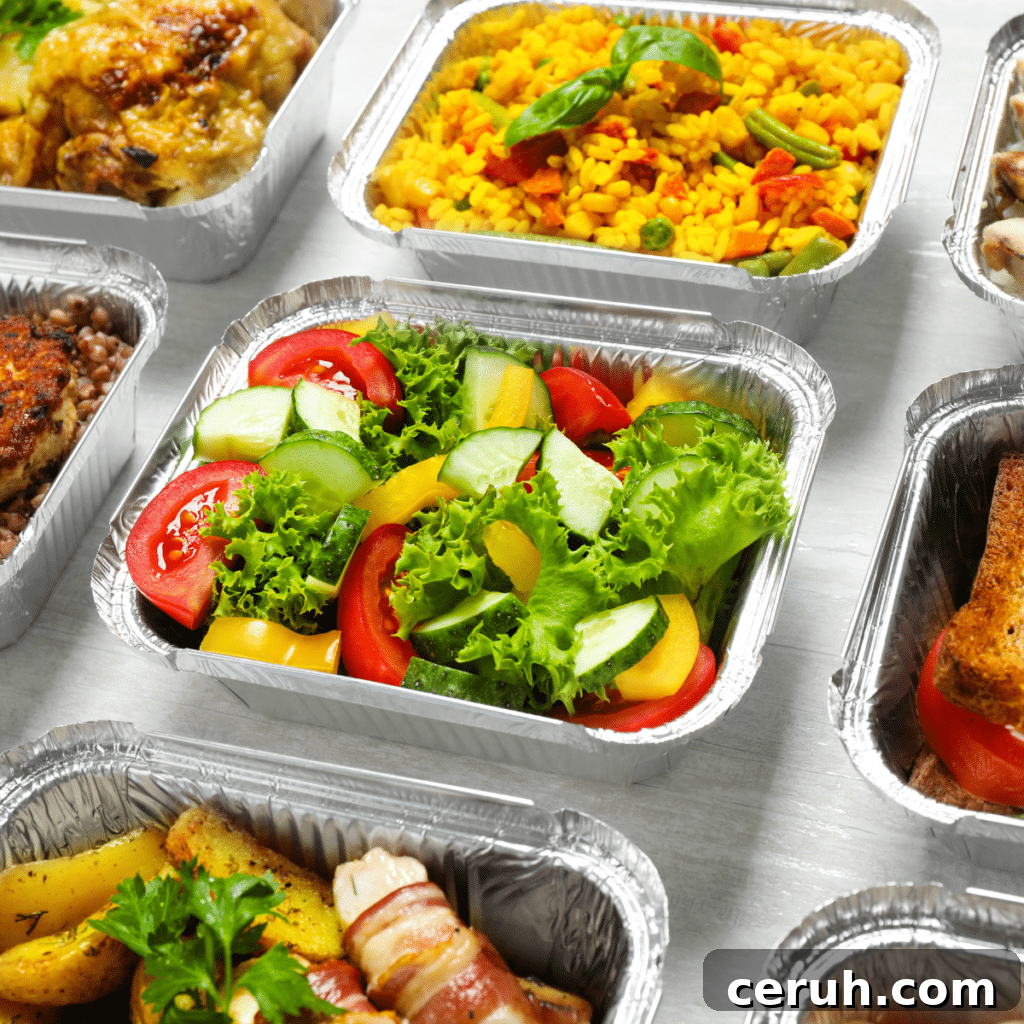
If you decide to try a meal delivery subscription, a few practical tips can help you get the most value and make the service work better for your household.
- Choose well-rated providers that score highly for value and sustainability.
- Use introductory offers and discounts to reduce initial costs.
- Ordering more meals per week or larger serving sizes can lower the per-meal price.
- Prioritize perishable dishes—seafood, dairy-based meals, and recipes with fresh greens—so you cook those first.
- Reserve sturdier items like potatoes, steak, or chicken for later in the week, as they keep longer.
- Select meals that offer good nutrition and value for money based on your household’s preferences.
- Adjust seasonings to taste—recipes are a guide, and you may prefer more or less salt and spices.
Meal delivery services offer clear advantages in convenience, customization, and time savings. To decide if they’re worth it for you, compare costs against the time you save, consider your nutrition and sustainability priorities, and choose providers that match your needs. With thoughtful selection and a few strategies, a meal subscription can be a practical and enjoyable addition to a busy lifestyle.