
This easy shakshuka with feta recipe is a one-pan meal that works beautifully for breakfast or brunch—and really any time you crave a simple, satisfying dish. Eggs are gently poached in a robust tomato sauce made with onions, bell peppers and warm Middle Eastern spices, then finished with salty, creamy feta and a sprinkle of fresh herbs.

Why this shakshuka with feta is a favorite: it’s cooked in a single pan, it delivers bright tomato flavor with a touch of heat from harissa, and it’s an easy way to feed a small group with minimal fuss. This version is vegetarian and naturally gluten free, and it showcases how just a few quality ingredients can make an impressive meal.
What is Shakshuka?
Shakshuka is a comforting dish of eggs poached directly in a tomato-based sauce spiced with cumin, paprika and often harissa. The recipe is widely enjoyed across North Africa and the Middle East; the name literally means “mixture” in Arabic, which fits—this is a simple, rustic mix of vegetables, spices and eggs with lots of room for variation.
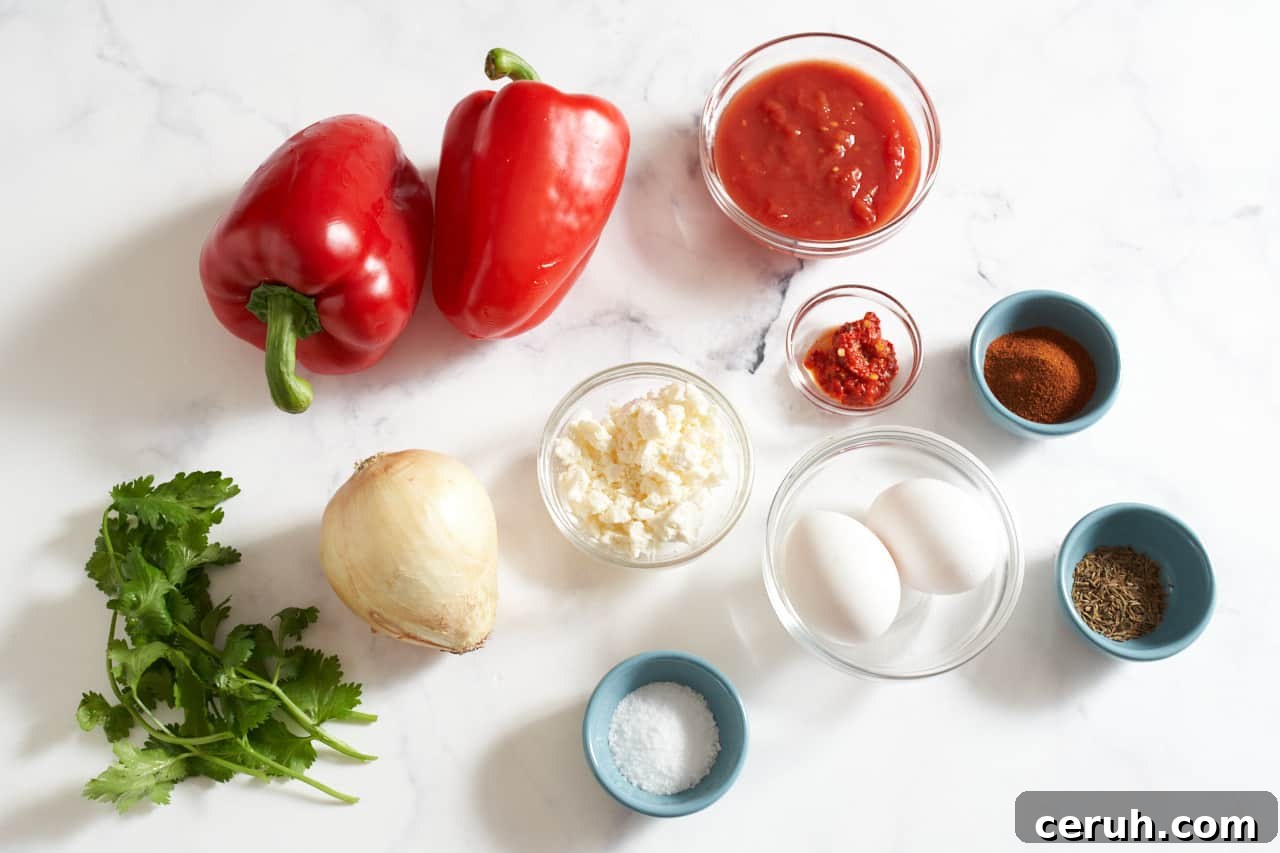
Shakshuka ingredients
Shakshuka with feta uses a short list of ingredients that yield big flavor. Keep measurements basic and adjust spice to taste.
- Canned tomatoes: Whole tomatoes (San Marzano if available) crushed by hand make a bright, silky sauce that reduces nicely.
- Red bell pepper and yellow onion: These soften and caramelize slightly, adding natural sweetness and body to the sauce.
- Smoked paprika and cumin seeds: These spices add depth and a warm, smoky backbone.
- Harissa: A North African chili paste that contributes heat and complexity; add cautiously because brands vary in intensity.
- Eggs: The main event—poached in the simmering tomato sauce until the whites are set and yolks are runny or firmer, depending on preference.
- Feta cheese: Crumbled feta brings a salty, tangy finish. Use block or crumbled feta from sheep or cow’s milk.
- Fresh cilantro or parsley: A handful of chopped herbs brightens the finished dish.
- Extra-virgin olive oil, kosher salt and freshly ground black pepper.
How to make shakshuka with feta
This version is adapted from a modern shakshuka approach and emphasizes technique that maximizes flavor. The recipe yields a thick, spoonable tomato base and tender eggs topped with feta.
Step 1: Prep and cook the peppers and onions
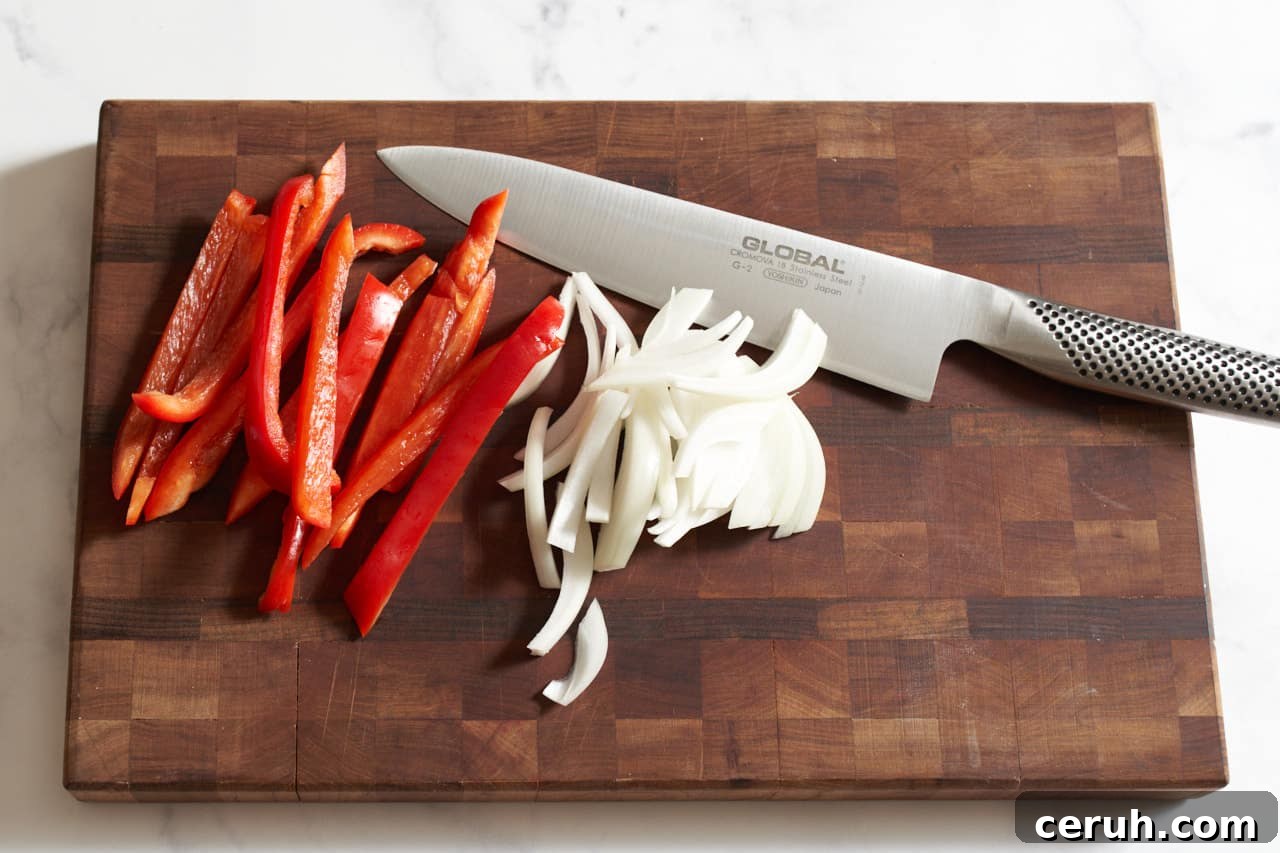
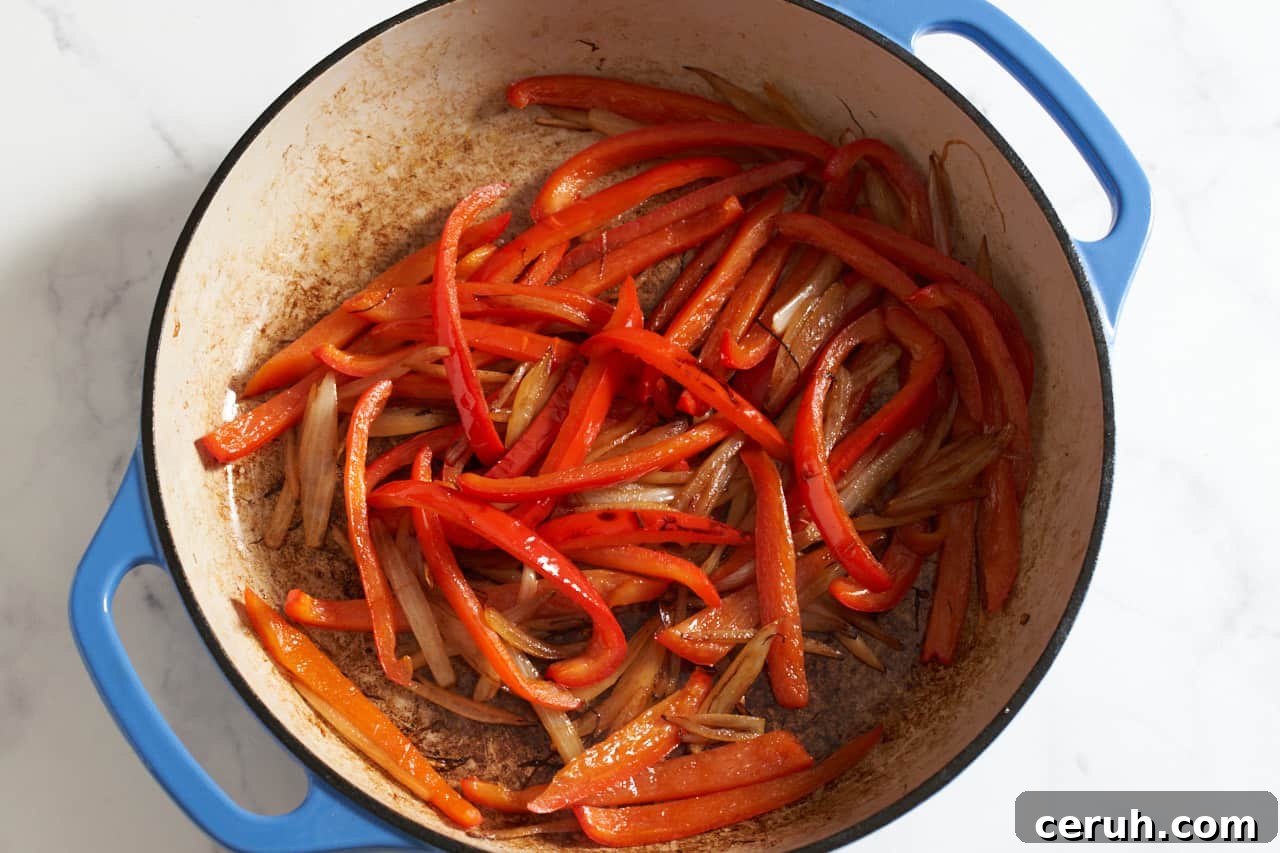
Slice the red bell pepper and the onion into thin strips. Heat 1 tablespoon of extra-virgin olive oil in a wide, deep skillet over medium-high heat until shimmering. Add the sliced peppers and onions and sauté, stirring occasionally, until softened and beginning to take on color. This develops sweetness and flavor that carry through the sauce.
Transfer the canned tomatoes to a bowl and crush them by hand. Add a little water from the empty can to the bowl to rinse and capture any remaining juices.
Step 2: Add the spices
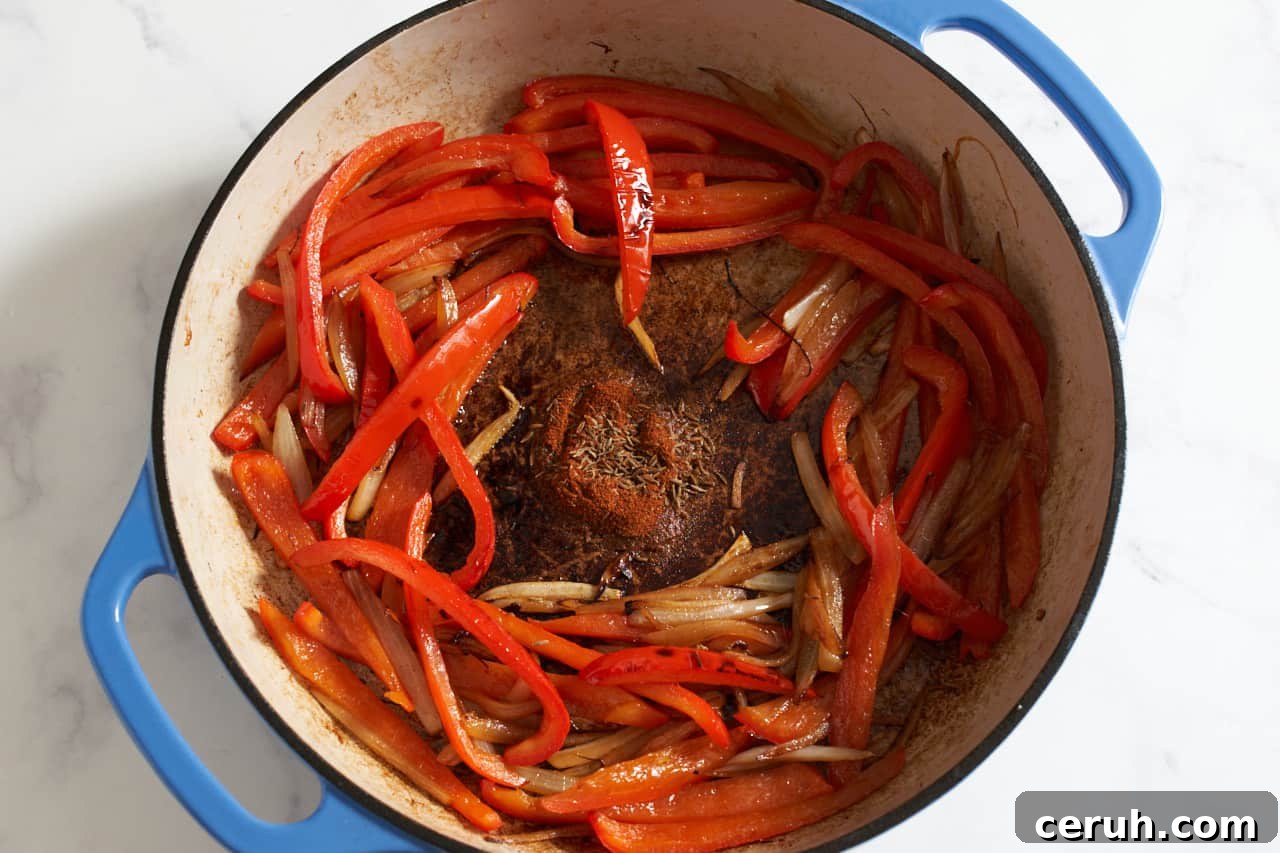
Make a small well in the center of the cooked vegetables and add the remaining tablespoon of olive oil. Add smoked paprika and cumin seeds to the oil and let them sizzle briefly—about 15 seconds—before stirring everything together so the spices coat the vegetables. This short step, called blooming the spices, releases their aroma and prevents the sauce from tasting grainy.
Step 3: Make the shakshuka sauce
Add the crushed tomatoes, harissa and kosher salt to the skillet. Stir, bring the mixture to a gentle but active simmer, then reduce heat to medium and cook for 8–10 minutes, stirring occasionally, until the sauce thickens slightly. The goal is a cohesive, thick tomato base that will hold the eggs while they cook.
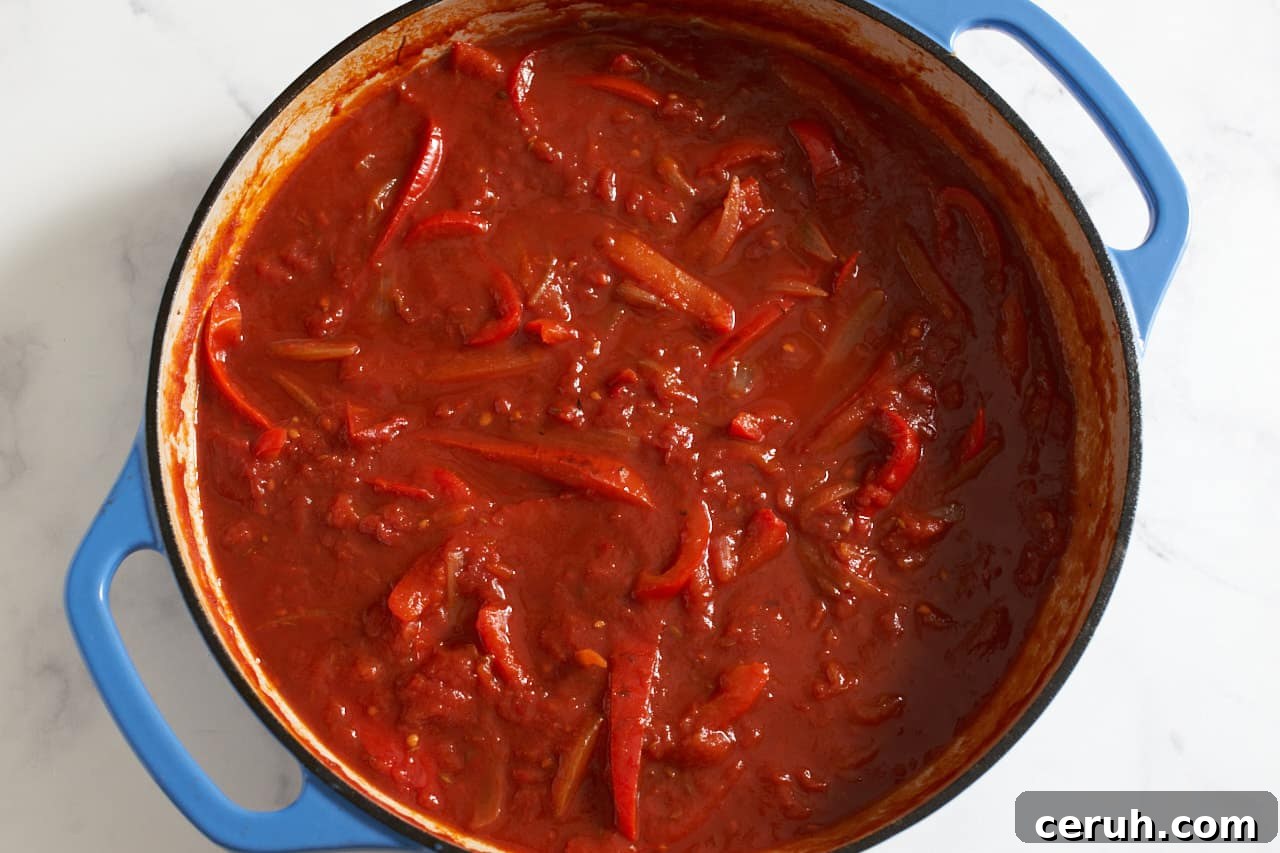
Step 4: Cook the eggs
Using a spoon or small ladle, create shallow hollows in the sauce and gently crack an egg into each indentation. The eggs may spread a bit, which is fine. Cover the skillet and lower the heat to medium-low. Cook until the white is set and the yolk reaches your preferred doneness—about 6–10 minutes depending on how runny you like the yolk.
Note: You can cook 6–8 eggs in this recipe as long as your pan is large enough. Nestle eggs close together if necessary.
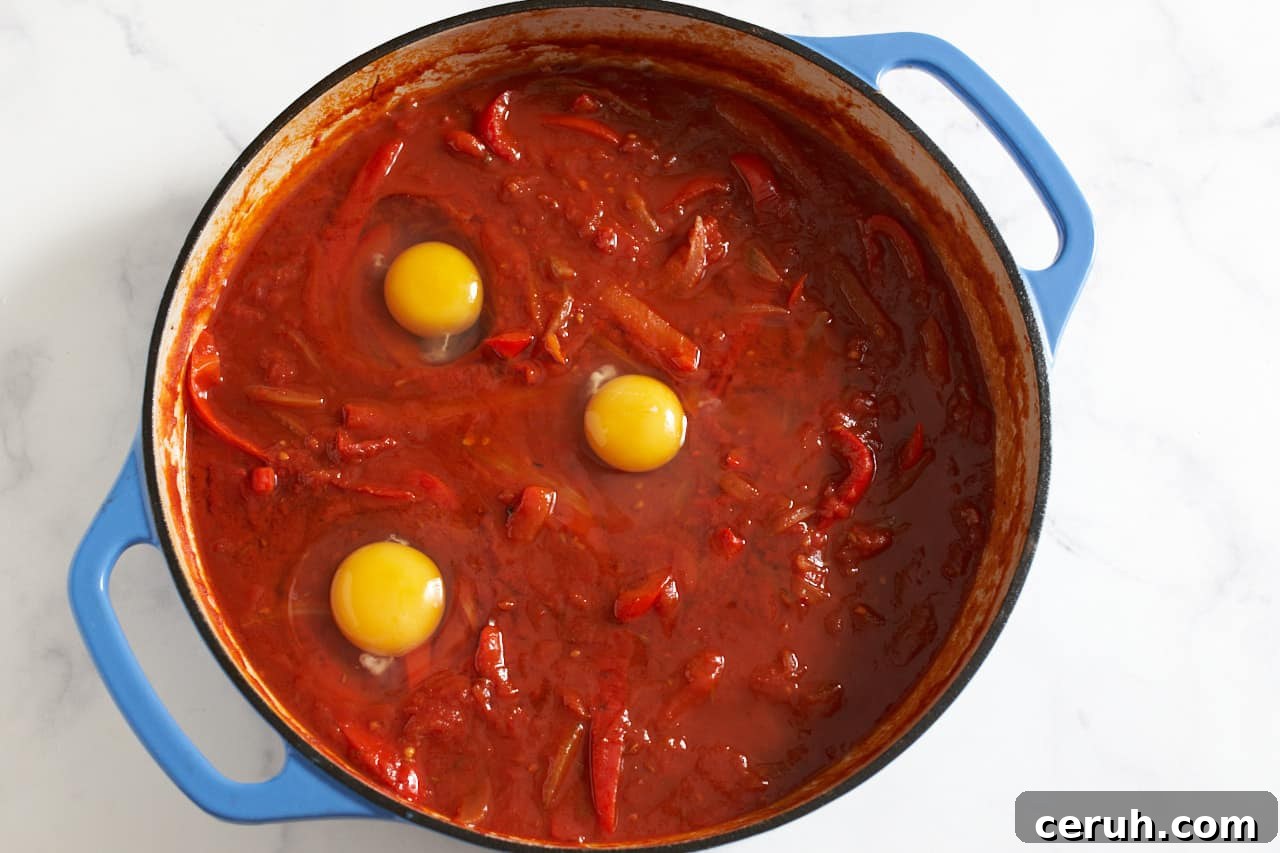
Step 5: Top with feta and serve
Remove the skillet from the heat and sprinkle crumbled feta over the eggs and sauce. Scatter chopped fresh cilantro or parsley on top for brightness. Serve straight from the pan with crusty bread, pita, or roasted potatoes to soak up the sauce.
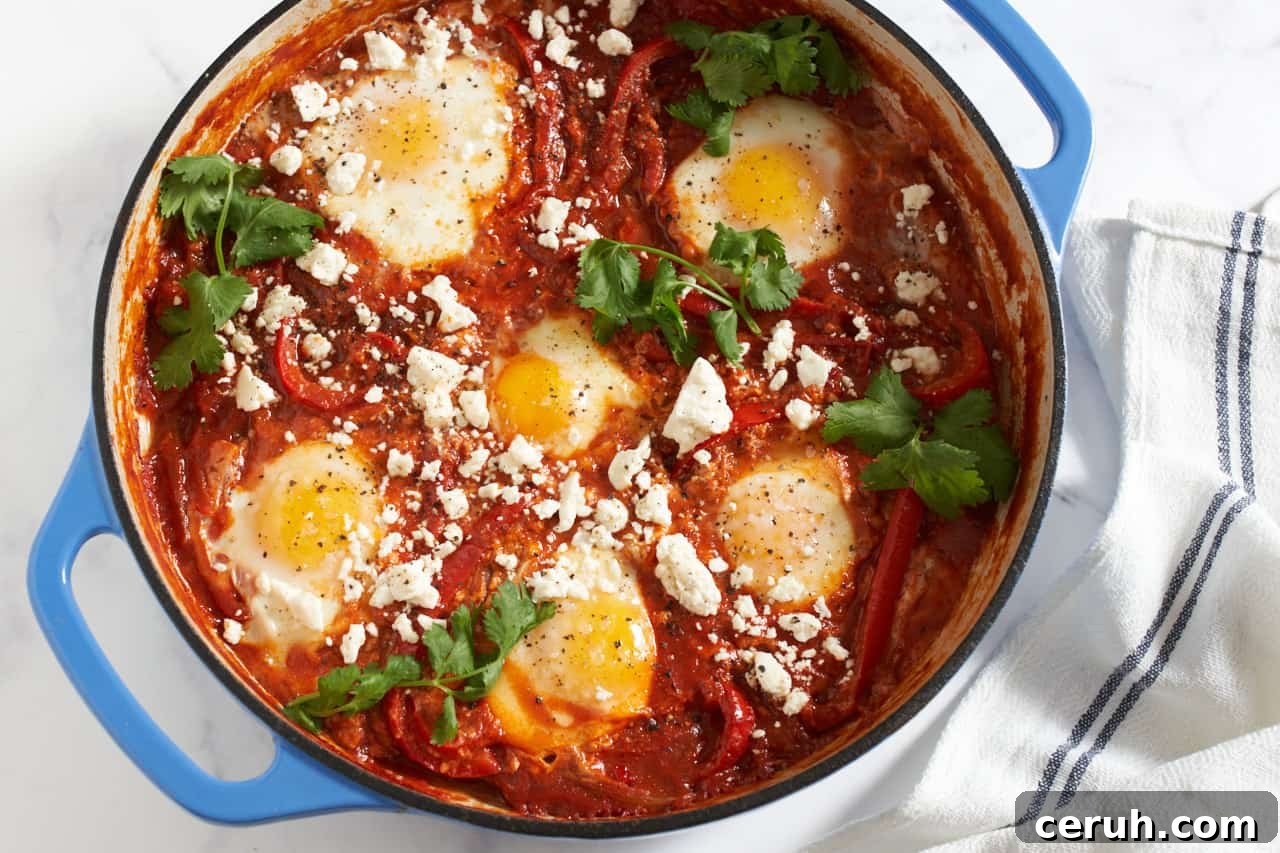
Tips for shakshuka with feta
- Crack each egg into a small bowl first, then slide into the sauce—this reduces the chance of broken yolks and helps you place eggs more precisely.
- If you prefer, use an ovenproof skillet and finish the eggs in a 400°F oven until set. Otherwise, covering on the stovetop works well and keeps the process simple.
- Be sure to reduce the sauce until it’s thick enough to cradle the eggs. A watery sauce will make the dish soupy and less satisfying.
- Adjust harissa by the teaspoon, tasting as you go; some brands are much spicier than others.
FAQ
You can prepare the tomato sauce up to three days ahead and refrigerate it. When reheating, add a splash of water if needed and simmer until it reduces again before adding eggs so nothing scorches.
For a vegan option, try scrambled tofu seasoned with a pinch of turmeric and black salt for an egg-like flavor; cook it separately and stir it into the sauce before adding feta (or a vegan cheese).
Serving suggestions
Shakshuka with feta is excellent for breakfast, brunch or even dinner. Serve with crusty bread for dipping, roasted potatoes for a heartier plate, or a light side salad. A sweet baked good on the side makes for a balanced brunch spread.
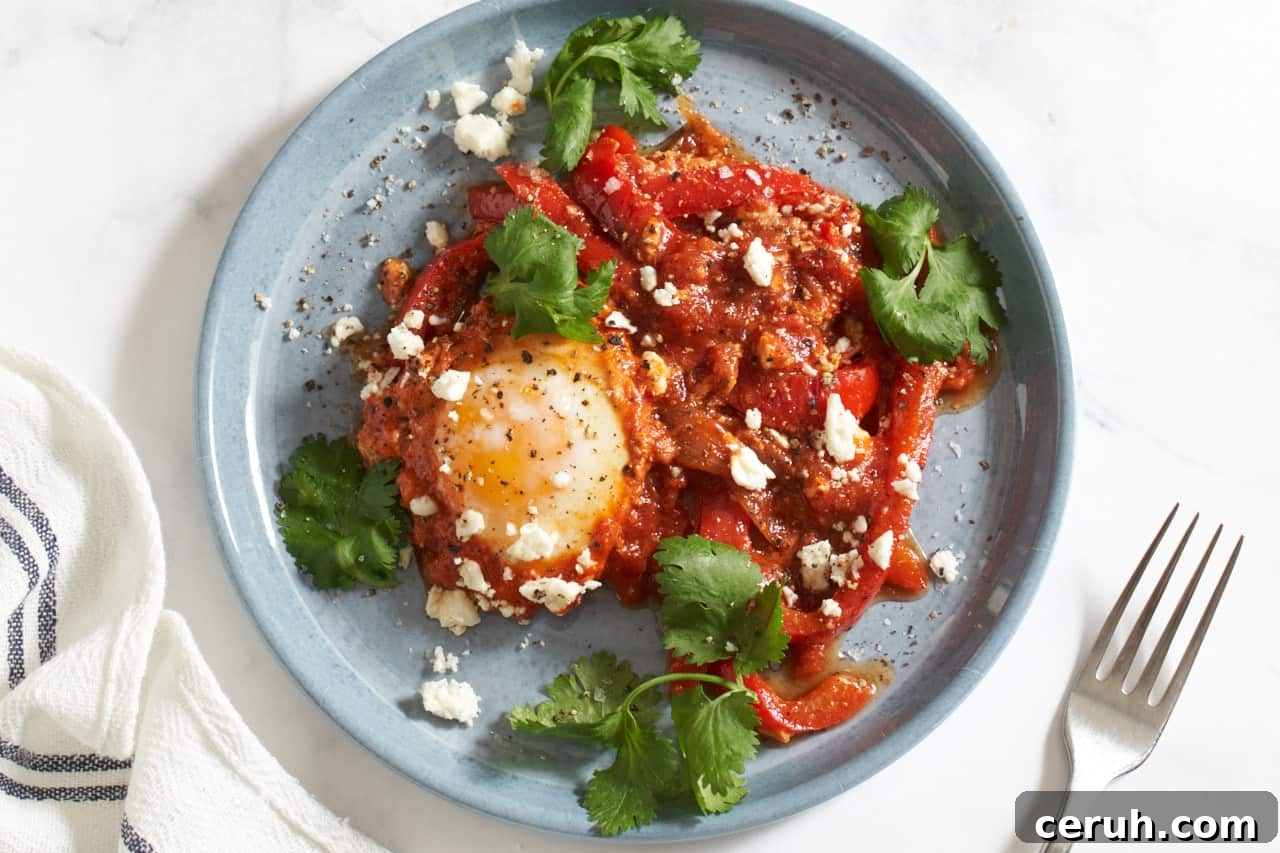
Ingredient variations
- If you don’t have harissa, use a pinch of cayenne or crushed red pepper to add heat.
- Add yellow bell pepper, baby spinach or mushrooms when sautéing the vegetables for more volume and variety.
- Substitute ground cumin for cumin seeds (use about ½ teaspoon ground instead of 1 teaspoon seeds).
- Swap cilantro for parsley if you prefer a milder herb.
- Add cooked chickpeas or cannellini beans for extra protein and texture.
More egg recipes
- Eggs en cocotte (baked eggs in small ramekins)
- Baked eggs in avocado for an easy, shareable brunch item
Shakshuka with feta is an easy one-pan vegetarian meal
- Cook and serve in one pan for easy cleanup.
- Uses just a handful of ingredients for big flavor.
- Control the spice level from mild to bold.
- Vegetarian and naturally gluten free.
- Versatile enough for breakfast, lunch, brunch or dinner.
Recipe

Shakshuka with Feta
This straightforward shakshuka recipe poaches eggs in a spiced tomato and pepper sauce and finishes with crumbled feta and fresh herbs. Serves 3 to 4.
Prep time: 5 mins • Cook time: 30 mins • Total: 35 mins
Course: Breakfast, brunch • Cuisine: Middle Eastern
Servings: 3 to 4 • Calories (estimate): 391 kcal
Equipment
- Wide, deep skillet with a lid (or an ovenproof skillet if finishing in the oven)
- Chef’s knife and cutting board
Ingredients
- 1 yellow onion, thinly sliced
- 1 red bell pepper, thinly sliced
- 2 tablespoons extra-virgin olive oil, divided
- 1 teaspoon smoked paprika
- 1 teaspoon cumin seeds (or ½ teaspoon ground cumin)
- 28 ounces canned whole tomatoes, preferably San Marzano, crushed
- 1½ teaspoons harissa (or a pinch of cayenne/crushed red pepper)
- 1 teaspoon kosher salt
- 6–8 eggs
- ½ cup crumbled feta cheese
- Fresh cilantro or parsley, for garnish (optional)
Instructions
- Slice the red bell pepper and yellow onion into thin strips.
- Heat 1 tablespoon olive oil in a wide, deep skillet over medium–high heat. When the oil shimmers, add the peppers and onions and cook until softened and beginning to color, stirring occasionally.
- While the vegetables cook, crush the canned tomatoes by hand in a bowl and add a little water from the can to capture remaining juices.
- Make a well in the center of the vegetables and add the remaining tablespoon of olive oil. Add smoked paprika and cumin seeds to the oil and let them sizzle briefly (about 15 seconds), then stir to coat the vegetables with the spices.
- Add the crushed tomatoes, harissa and salt. Bring to a high simmer, then reduce heat to medium and cook 8–10 minutes, stirring occasionally, until the sauce thickens slightly.
- Make shallow indentations in the sauce and gently crack the eggs into each one. Cover the skillet and reduce heat to medium–low. Cook until egg whites are set and yolks are done to your liking.
- Remove from heat and sprinkle with crumbled feta and chopped cilantro or parsley if desired. Serve directly from the skillet with bread or desired accompaniments.
Notes
- Blooming spices in hot oil releases their essential oils and improves depth of flavor while preventing a gritty texture in the sauce.
- Cracking each egg into a small bowl before adding to the sauce makes placement easier and reduces the risk of broken yolks.
- If using the oven method, finish the skillet in a 400°F oven until the eggs reach your preferred doneness.
- Reduce the sauce until it is thick enough to hold the eggs; a watery sauce won’t provide the same texture or mouthfeel.
- Adjust harissa slowly to taste since heat levels vary by brand.
Nutrition (estimated)
- Calories: 391 kcal
- Carbohydrates: 28 g
- Protein: 20 g
- Fat: 24 g
- Saturated fat: 8 g
- Sodium: 1573 mg
- Fiber: 7 g
Nutrition information is an estimate and may vary depending on ingredients and portions used.
If you make this shakshuka, enjoy it with friends or family and adjust the spice and herbs to your taste. It’s an adaptable, flavorful one-pan meal that’s easy to double and share.