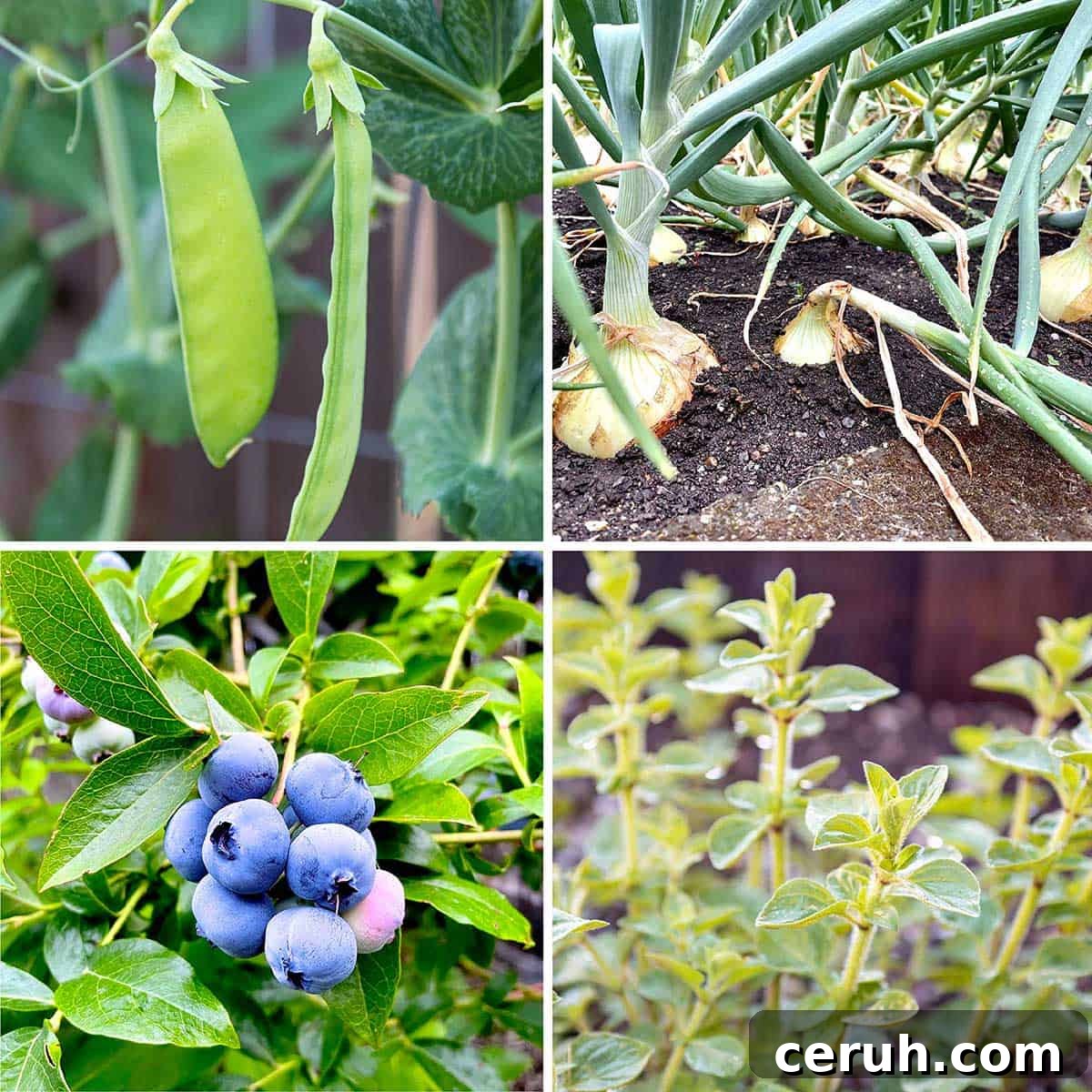
12 easy plants for beginner gardeners to grow in your vegetable garden this season. These crops are hardy, simple to grow, and require little care. Each variety works well in many recipes or can be enjoyed fresh from the garden as a healthy snack.
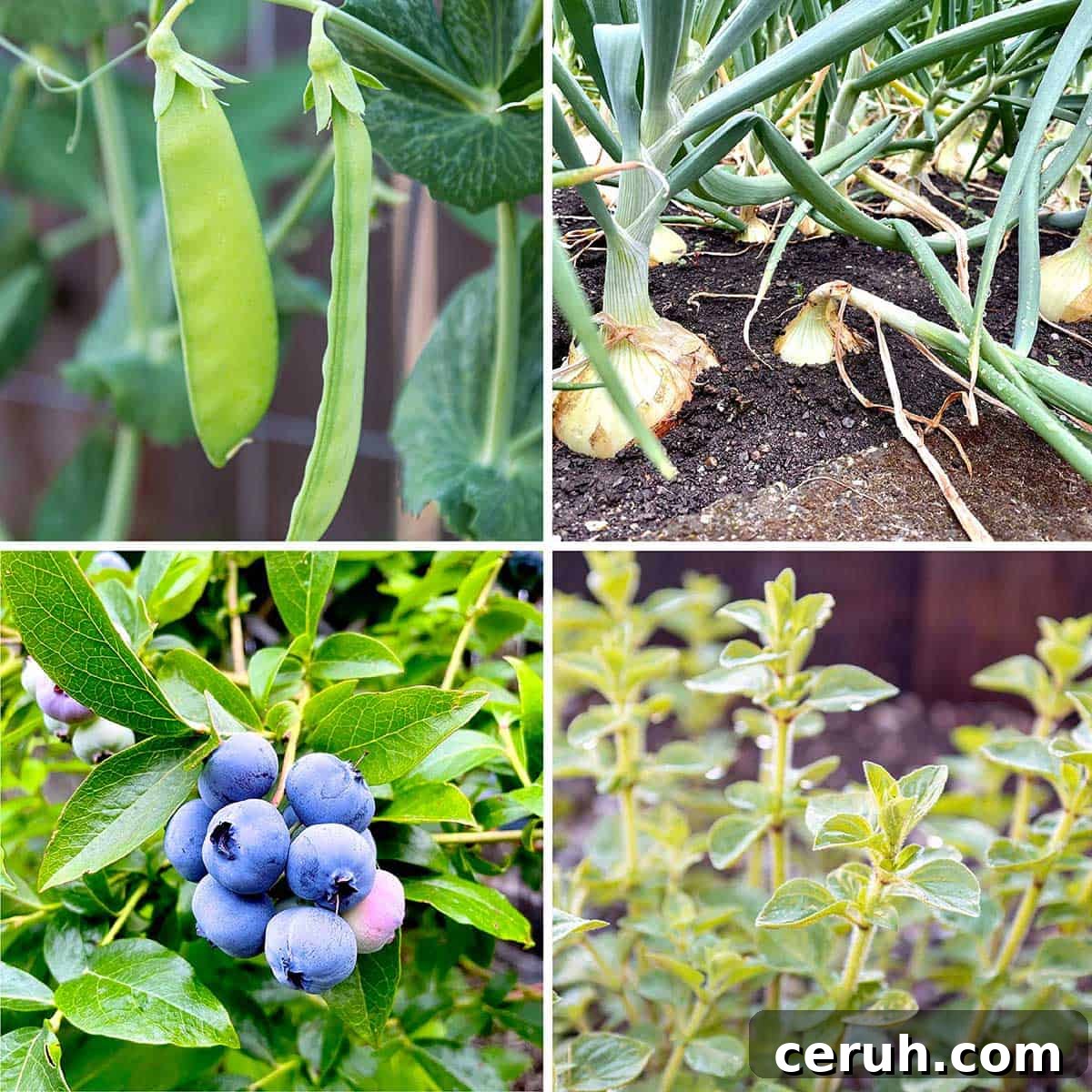
Whether you are just starting a garden or looking to expand an existing plot, this list offers inspiration for plants to include in your spring or summer planting plan.
These twelve choices are not only easy to grow but also straightforward to prepare and use. I focus on crops that are useful in many dishes or can be eaten right from the garden.
Each plant below is one I have grown for multiple seasons. They consistently earn a dedicated spot in my beds and are ideal for beginners or anyone expanding their growing space.
Aside from simple tasks like pruning, thinning, and routine watering, these plants are low maintenance and forgiving of small mistakes.
Whether you’re planning a compact raised bed, container setup, or a larger backyard garden, these varieties are excellent places to start.
Important note:
I garden in the Pacific Northwest in zone 8b, where springs tend to be cool and wet and summers mild. What performs well for me may not be ideal in a very different climate, so be sure to check your local hardiness zone and weather patterns when planning your garden.
📝Gardening Terms
If you are new to gardening, these basic terms may be helpful.
- Perennial plants: Return each year after going dormant in winter.
- Annual plants: Live for a single season and must be replanted the following year.
- Biennial plants: Take two seasons to complete their lifecycle.
- Bolt: When a plant prematurely sends up a flower stalk, causing it to stop producing usable foliage or fruit.
- Go to seed: The plant flowers and begins producing seeds; fruit production typically ends.
- Hardiness zone: A regional classification based on climate; check your local zone before choosing plants.
- Organic matter/compost: Decomposed plant material that enriches soil and supports healthy growth.
- Direct sow: Planting seeds directly into garden beds rather than starting them indoors.
- Last frost/first frost: The expected final spring frost and the initial fall frost that affect planting schedules.
Basic Gardening Tips
Quality soil: Use soil amended with compost and organic matter. Good soil is the foundation of healthy plants.
Sun exposure: Most vegetables need 6–8 hours of direct sun. Choose planting locations based on each plant’s light requirements.
Follow care guidance: Check seed packets or plant tags for spacing, watering, and other needs specific to each crop.
Watering: Some plants need consistent moisture while others prefer drier soil; learn each plant’s needs and water accordingly.
Zucchini
Zucchini is one of the easiest and most rewarding plants for new gardeners. A single plant can produce many fruits throughout the season, making it a high-yield choice.
These plants spread out and grow quickly, so give them generous space or grow them in a dedicated bed. Check plants frequently and harvest when fruits are still tender to encourage continued production.
Zucchini is versatile in the kitchen: grill it, stir-fry, add to soups, or bake into breads and muffins.
Seeds can be sown directly once the soil has warmed, or started in pots and transplanted after frost risk has passed.
Tips for growing zucchini:
- Plant in full sun.
- Use fertile, well-draining soil rich in organic matter.
- Give the plant plenty of room to spread.
- Harvest frequently to keep fruits from becoming oversized.
Summer (Yellow) Squash
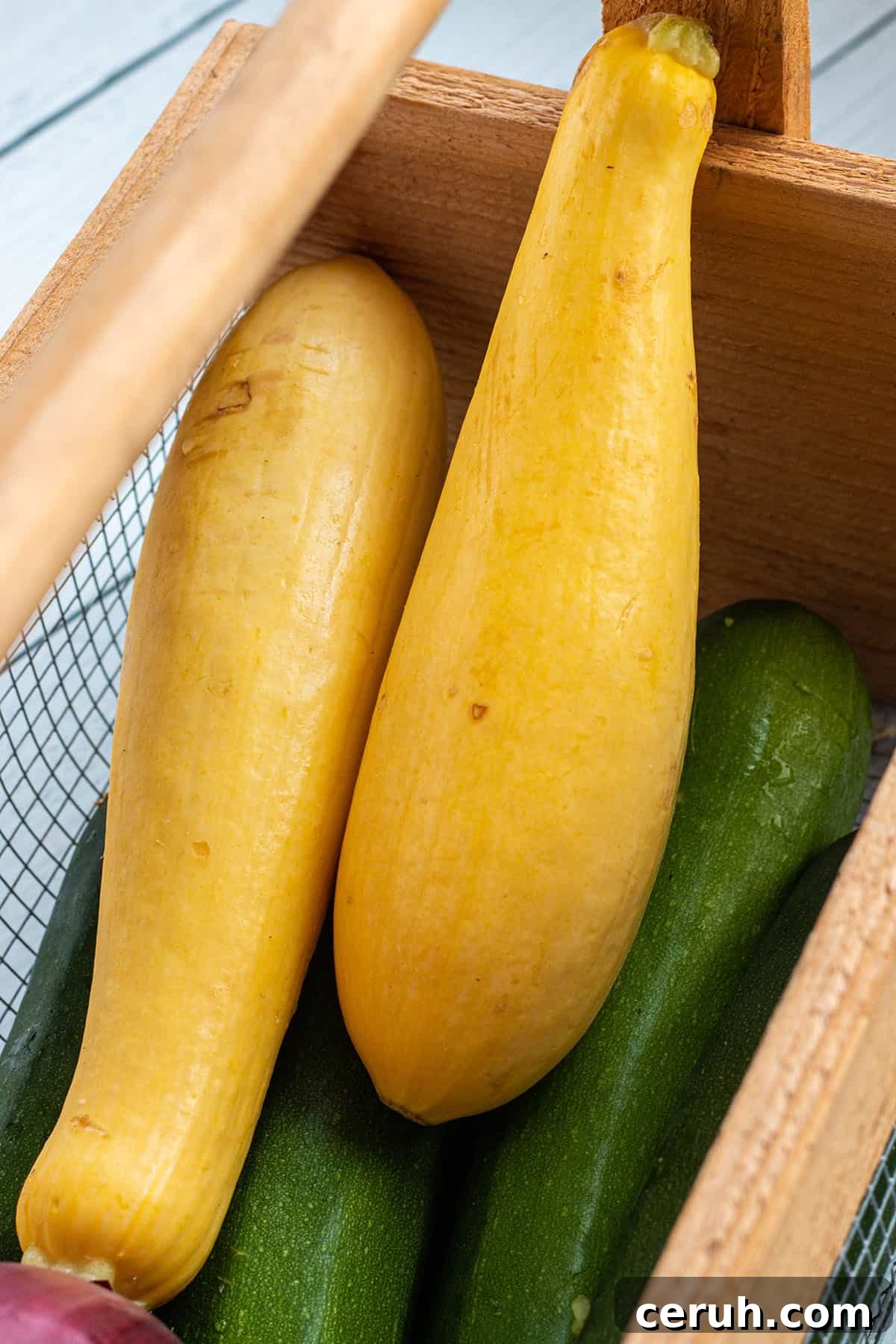
Summer or yellow squash is very similar to zucchini in growth habit and care. It produces abundantly over a long season when harvested regularly.
It complements other summer crops such as tomatoes and onions in dishes like ratatouille, grilled vegetable mixes, or simple sautés tossed with olive oil, salt, and pepper.
Peas (Snow and Sugar Snap)
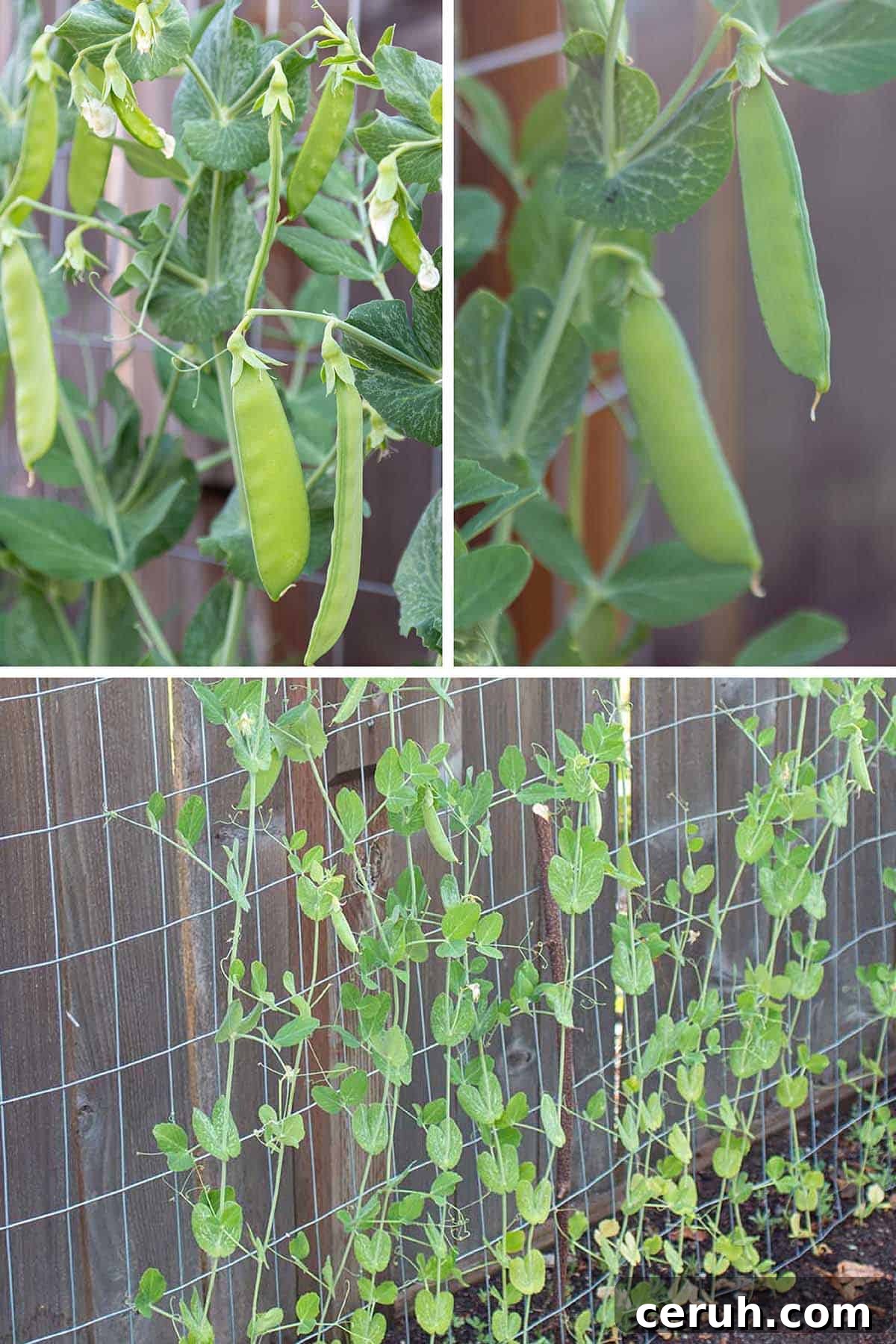
Peas are an excellent choice for beginner gardeners. Kids and adults alike enjoy picking sweet peas to snack on, and they add bright flavor and crunch to salads and stir-fries.
They tolerate cooler temperatures and can be planted early in the season, often before the last frost. Because peas climb, they require a trellis or support, which also helps save space by growing vertically.
Both snow peas and sugar snap peas are straightforward to grow; harvest regularly to encourage more pods to form and consider planting another round later in the season for a fall crop.
Tips for growing peas:
- Provide support such as a trellis or poles.
- Plant in full sun where possible.
- Use well-draining soil amended with compost.
- Harvest often to stimulate continued production.
Green Beans (Pole or Bush)
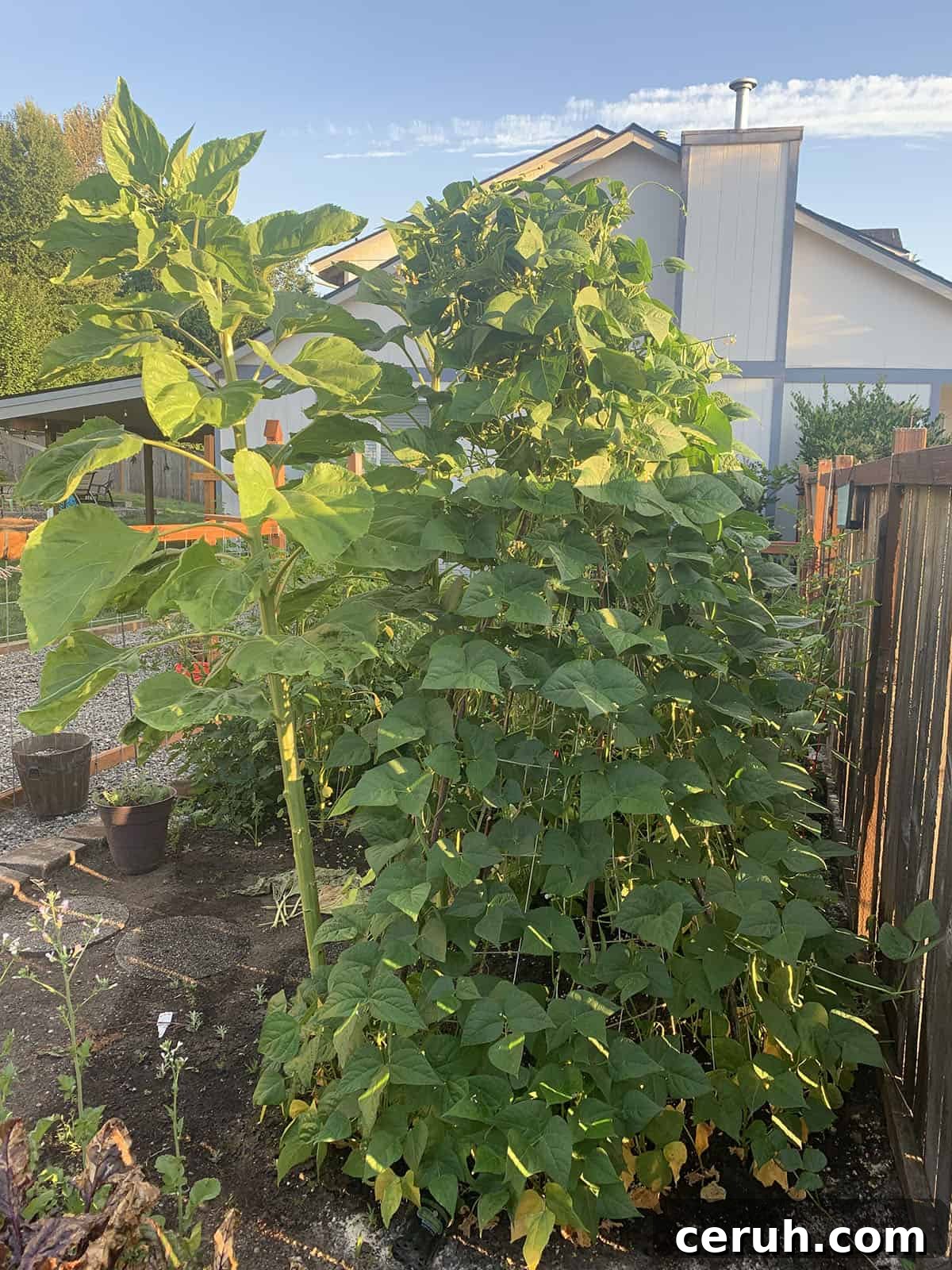
Green beans come as pole (runner) or bush types. Pole beans climb and need a trellis or poles, growing vertically and saving garden space. Bush beans form compact plants and are well suited to containers.
Both types are productive and easy to care for. Regular harvesting increases yields, and green beans are ideal for fresh eating, freezing, or preserving.
Tips for growing green beans:
- Plant in fertile, well-draining soil in full sun.
- Wait until after the last frost to sow beans outdoors.
- Harvest often; beans stop producing when left on the plant too long.
- Bush beans suit containers; provide a trellis for pole beans.
Carrots
Carrots tolerate cool weather and can be sown directly in late winter or early spring, then harvested throughout the summer. A second sowing before the first fall frost can yield carrots for late-season use.
They need loose, deep soil free of rocks to develop straight roots; raised beds or deep containers work well. Thin seedlings early to give remaining roots space to grow.
Carrots are versatile in the kitchen — roasted, raw, pickled, or cooked into soups and stews.
Tips for growing carrots:
- Use loose, sandy or well-amended soil in a raised bed if possible.
- Sow directly; carrots do not transplant well.
- Plant 2–3 weeks before the last frost and again in late summer for fall harvests.
- Thin seedlings to 2–3 inches apart for best root development.
Lettuce (and other salad greens)
Lettuce and leafy greens grow quickly and can be harvested as full heads or by cutting outer leaves as needed. They prefer cooler weather and will bolt to seed when temperatures rise, so succession sowing every couple of weeks helps maintain a fresh supply.
Partial shade can extend the growing window into warmer months, and many loose-leaf varieties continually produce when harvested properly.
Tips for growing lettuce:
- Plant in partial shade or morning sun with afternoon shade in hot climates.
- Keep soil evenly moist but not waterlogged.
- Sow every two weeks for continuous harvests.
Tomatoes
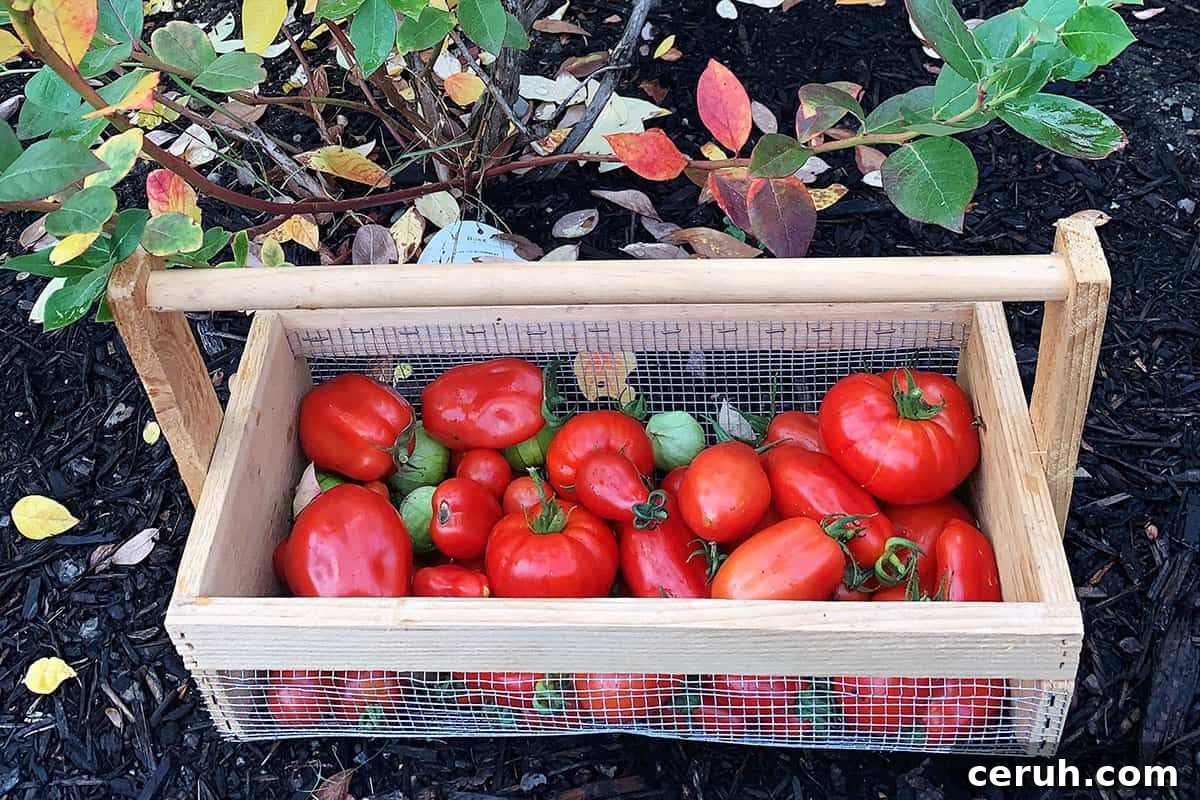
Few things beat a ripe, homegrown tomato. Tomatoes thrive in containers or in the ground, provided they receive plenty of sun and fertile, well-draining soil.
Start seeds indoors 6–8 weeks before your last frost date, then transplant seedlings after all danger of frost has passed. Pruning and staking or caging plants encourages airflow and healthy fruit production.
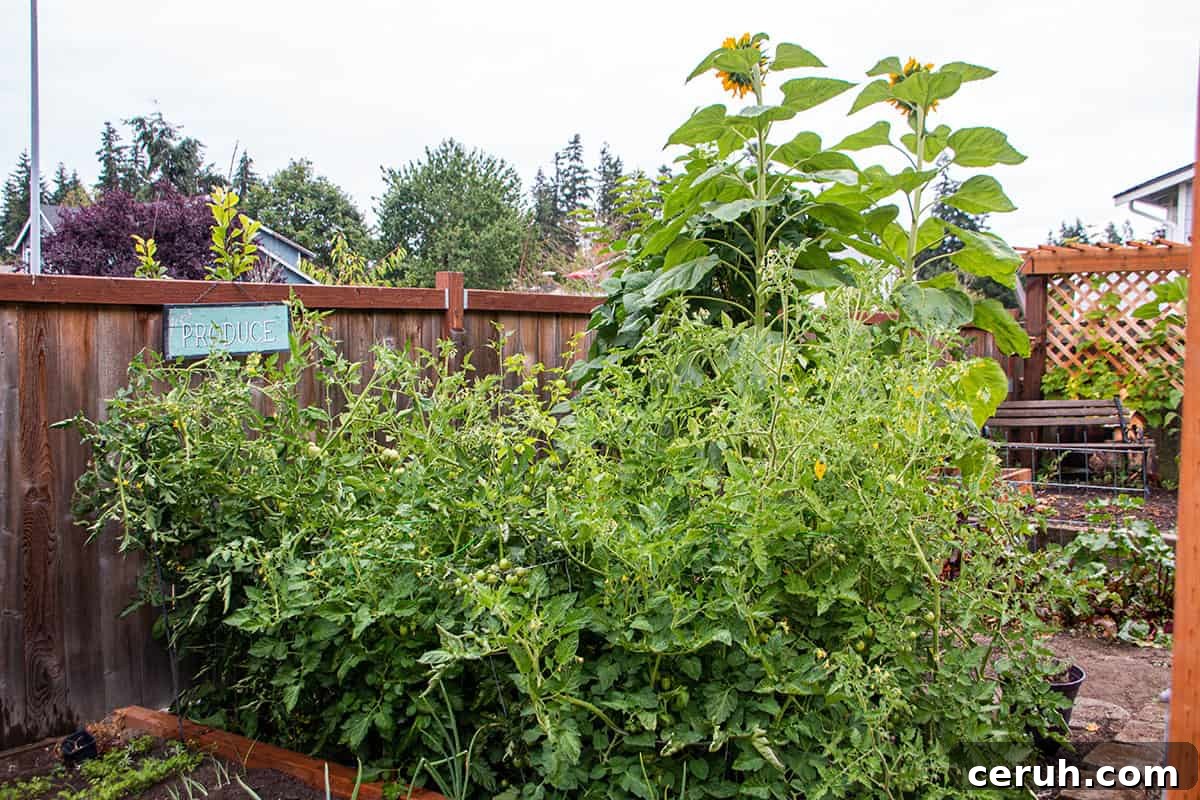
Tomatoes can be eaten fresh, used in sauces and salsas, or preserved. Choose varieties based on intended use: cherry and grape types for snacking, Roma for sauces, and larger heirloom or beefsteak types for slicing.
Tips for growing tomatoes:
- Start seeds indoors and transplant after frost risk passes.
- Provide 6–8 hours of sun and fertile, well-draining soil.
- Support plants with cages or stakes and prune as needed for airflow.
Radish
Radishes are perfect for impatient gardeners. Some varieties mature in as little as 21 days, giving you quick rewards and frequent harvests throughout the season.
They take up little space and can be sown repeatedly every two weeks for a steady supply. Radishes are great raw in salads or quick-pickled for a crunchy condiment.
Tips for growing radishes:
- Sow in early spring and again in the fall.
- Thin seedlings to 2–3 inches apart so roots can develop.
- Grow alongside other crops in mixed beds or containers.
Beets
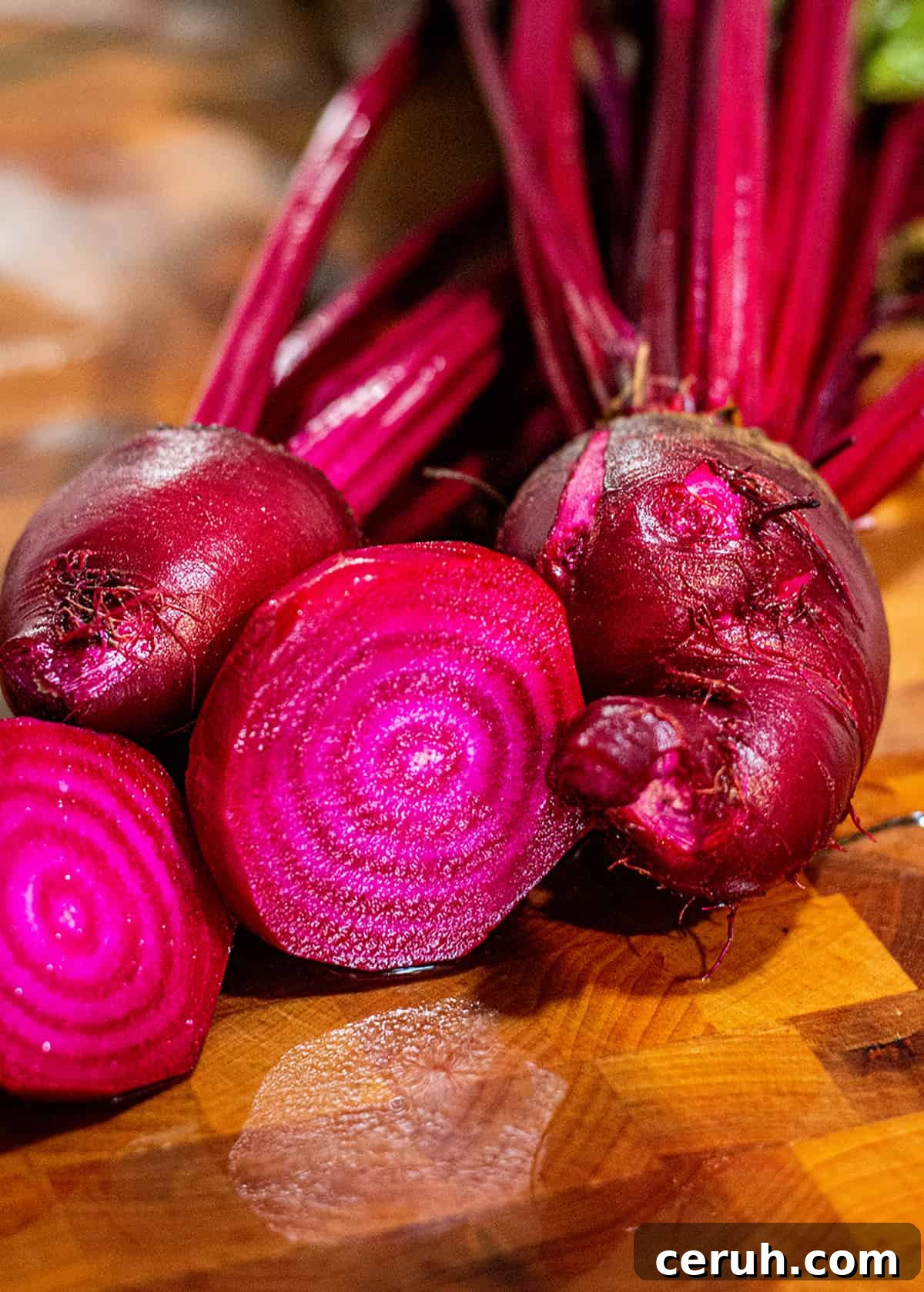
Homegrown beets can change your mind about this root vegetable. They grow quickly, taste sweet when roasted or steamed, and add vibrant color to dishes. Beets are a cool-season crop and can be sown early in the season.
Both the roots and the greens are edible; greens can be sautéed like chard or spinach. Sow successive plantings every two to three weeks for a continuous harvest.
Tips for growing beets:
- Space seedlings about 3–4 inches apart.
- Plant in loose, fertile, well-draining soil.
- Harvest at a range of sizes depending on preference.
Onions
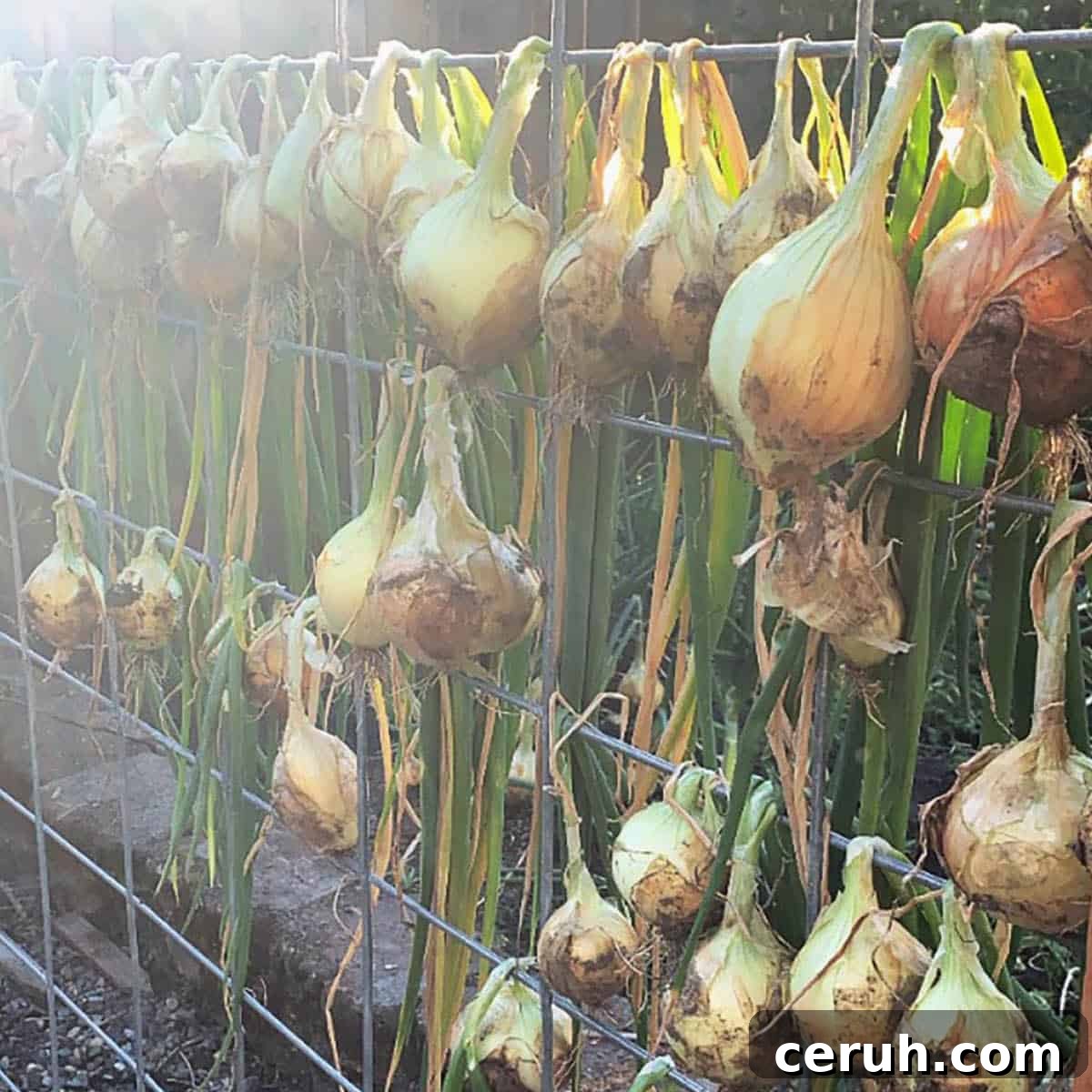
Onions are versatile, easy to grow, and useful in many dishes. You can harvest them as green onions early in the season or allow bulbs to mature for curing and long-term storage.
When cured and stored in a cool, dark place, onions can keep for months, making them a practical crop for home gardeners.
Berries
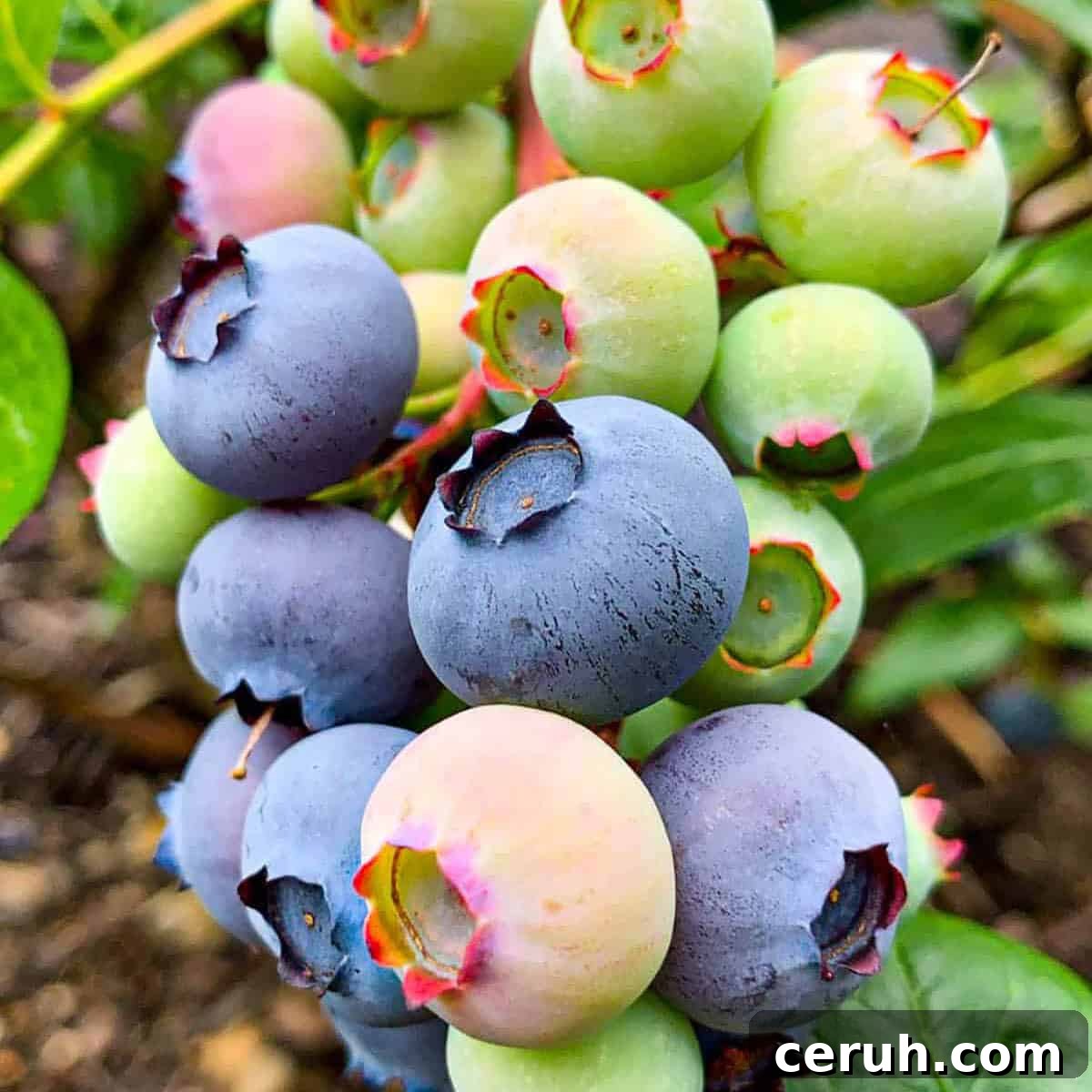
Berries such as blueberries, raspberries, strawberries, and blackberries make excellent garden additions. Unlike most vegetables, many berry plants are perennial—plant once and they return year after year, growing larger with proper care.
Berries require some seasonal pruning and attention to soil acidity and drainage for best results, but they reward you with abundant fruit and great flavor.
Herbs
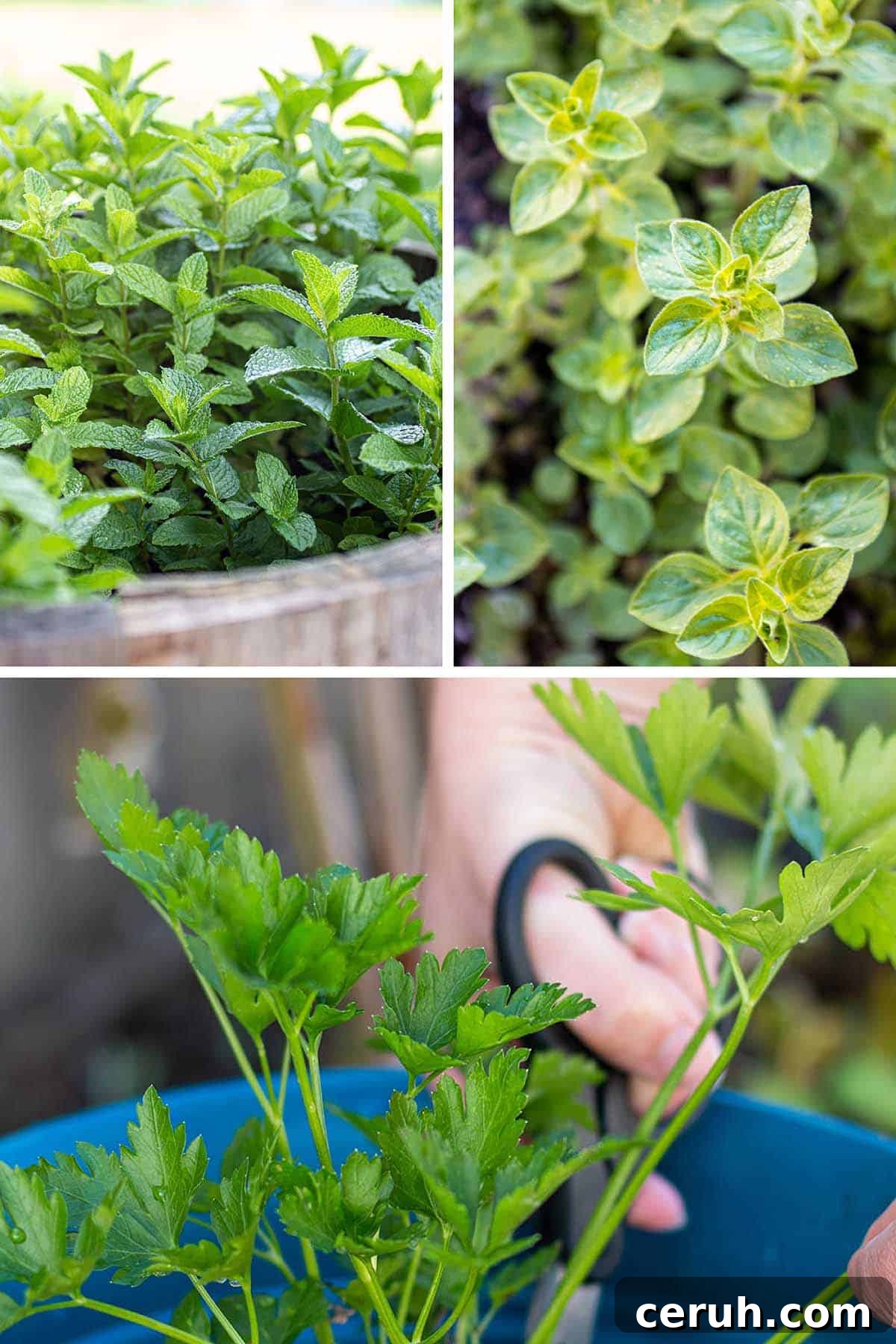
Herbs are ideal for small spaces and beginner gardeners. They grow well in containers, on windowsills, or in garden beds. Some herbs are perennial and return each year; others are annuals that need replanting.
Herbs are easy to preserve by drying or freezing, extending their use throughout the year. Plant them in pots for mobility and to control vigor, especially with spreading varieties like mint.
Did you find these 12 beginner-friendly plants helpful? If you’re inspired to try something new, leave a comment about what you plan to grow this season — it’s always rewarding to hear other gardeners’ plans and successes.
*Let’s connect on social media or subscribe to your favorite gardening resources to follow growing tips and seasonal reminders.