Let’s be honest: recipes and cooking can feel intimidating when you’re starting out. Everyone begins somewhere. Knowing the basic definitions of common cooking techniques makes recipes much easier to follow and gives you confidence in the kitchen.
There are countless ways to cook. A simple way to think about cooking is that it’s the practice of transforming ingredients — for example, bread into toast. Understanding a few fundamental methods will help you interpret recipes and choose the right approach for the food you want to prepare.
- What Does Sauté Mean?
- What Is the Definition of Stir-Frying?
- What Does Sear Mean?
- What Is the Definition of Braised?
- What Is the Definition of Stew?
- What Is the Definition of Steaming?
- What Is the Definition of Baking?
- What Is the Definition of Roasting?
- What Does Broil Mean?
- What Is the Definition of Grilling?
Learn Cooking Techniques, Then Cook!
Many of us promise to cook more often and eat more homemade meals. That’s a great goal. Still, some cooking terms can be confusing: what does sauté mean? What does braised mean? Below are concise, practical definitions of common cooking methods so you can recognize and use them in everyday cooking.
Reading about techniques helps, but the quickest way to learn is to practice. Tasks like chopping an onion neatly or controlling pan heat improve with repetition. Be patient — most mistakes are salvageable, and you’ll usually still have a good meal at the end of the day.
What Does Sauté Mean?
Sautéing is a versatile method used for vegetables, fish, meat, and even noodles. The word literally means “to jump” in French, reflecting how ingredients are tossed or flipped in the pan while cooking.
Use a fat such as butter, oil, or a combination. The pan and fat should be hot so the food browns quickly; the heat comes directly from the pan. Sautéing browns the outside and cooks the inside through — sometimes with light caramelization. It falls between stir-frying and searing in technique and speed.
Sautéed Recipes
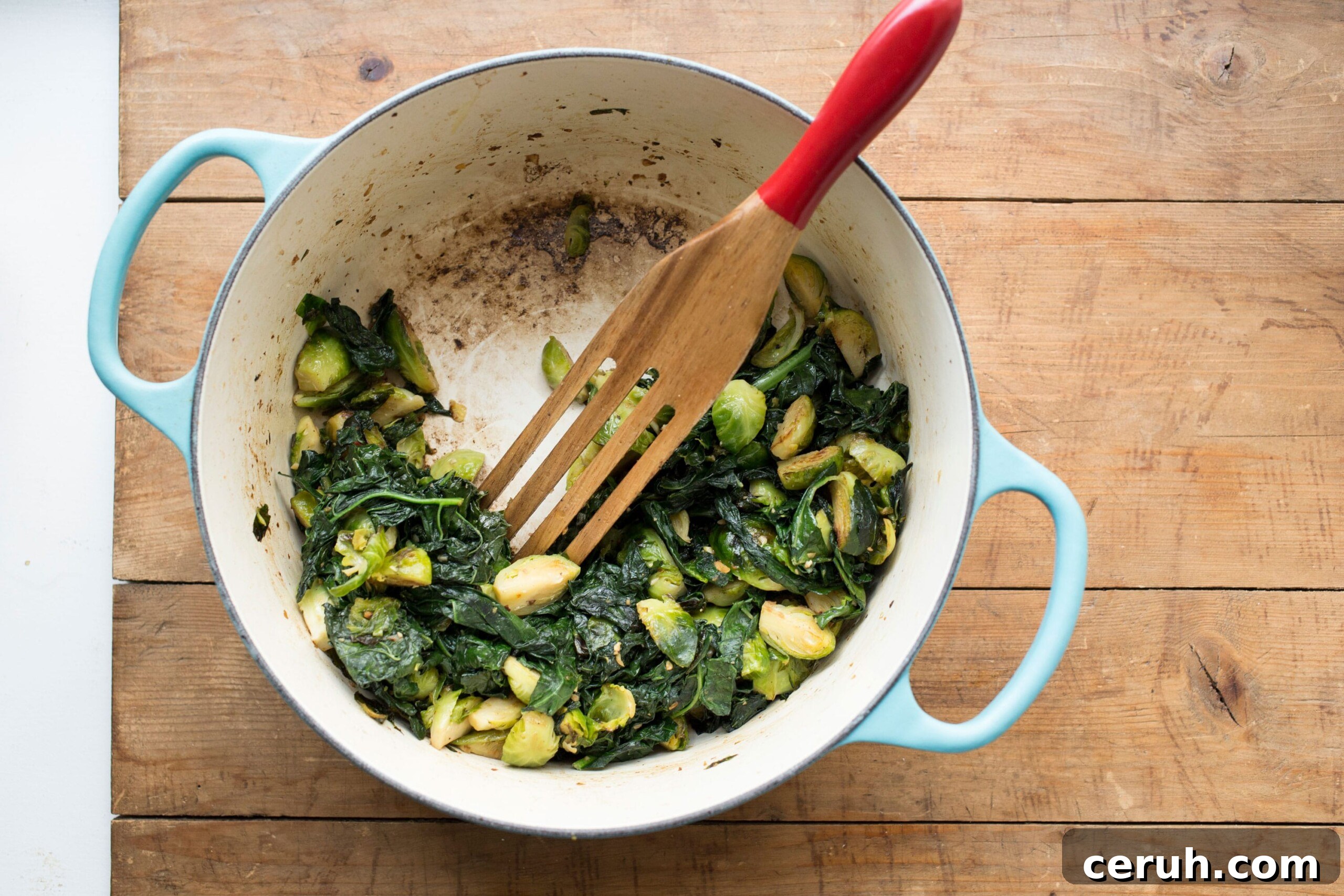
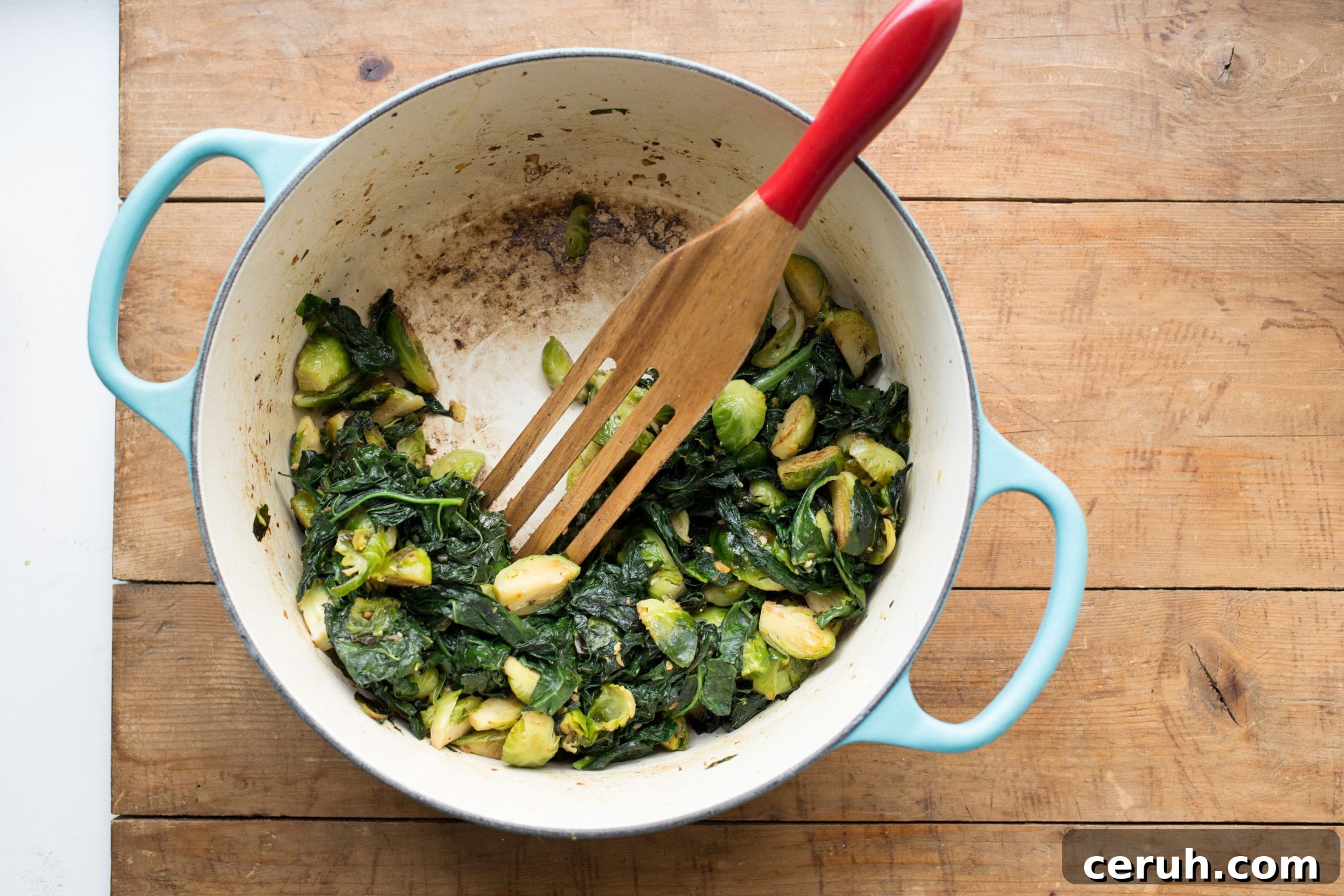
- Sautéed Kale and Brussels Sprouts with Bacon
- Simple Sautéed Garlic Broccoli
- Pork Schnitzel with Sautéed Mushrooms
- Simple Sautéed Spring Greens
What Is the Definition of Stir-Frying?
Stir-frying is common in Asian cuisines and involves cutting ingredients into similar, bite-sized pieces so they cook evenly. Food is kept moving in the pan — often with quick stirring or by shaking the wok — and the heat must be very high.
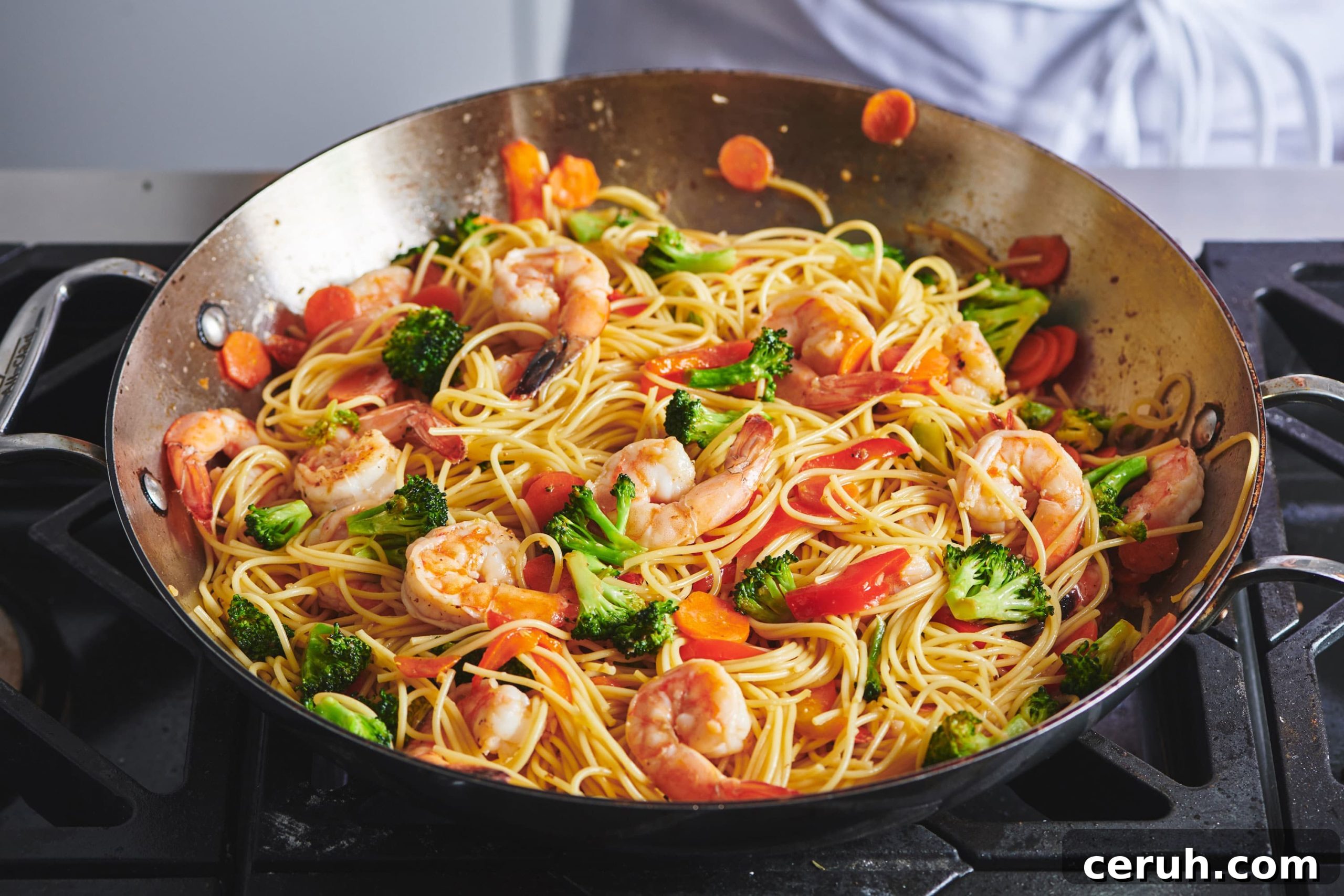
Use a moderate amount of oil and make sure everything is prepped before you start, because stir-fries cook quickly. Add ingredients in order of cooking time — longest first, shortest last — so everything finishes together. A wok is traditional, but a large skillet works well too.
Stir-Fry Recipes
- Lemon and Scallion Chicken Stir-Fry
- Chicken and Spinach Stir-Fry with Ginger and Oyster Sauce
- Spicy Stir-Fried Beef and Vegetables
What Does Sear Mean?
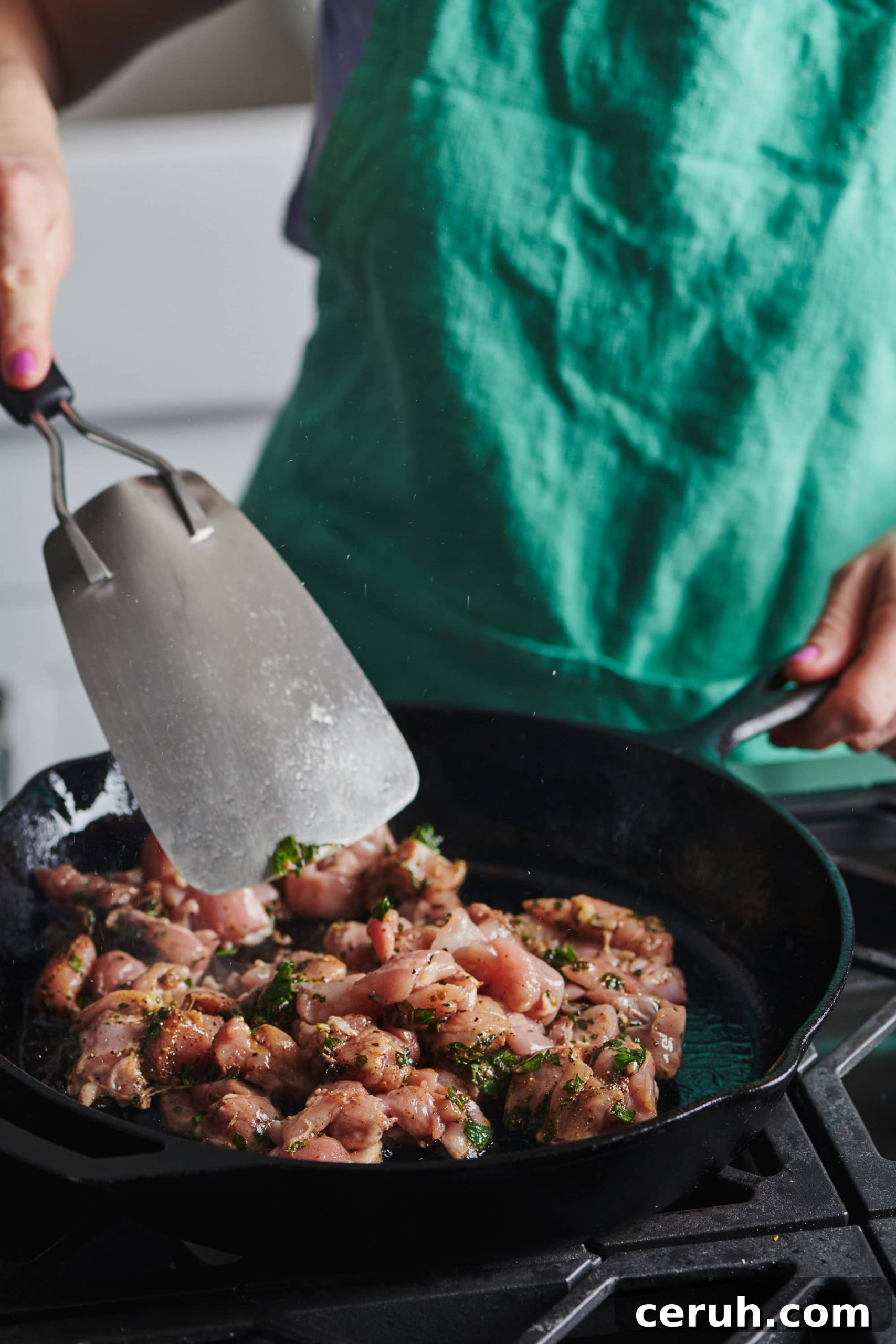
Searing is browning food — usually meat or fish — in a very hot pan. It’s often the first step in a recipe and can stand alone for thin cuts that cook quickly, or be followed by another method like roasting. Searing caramelizes sugars and proteins on the surface, adding flavor and texture.
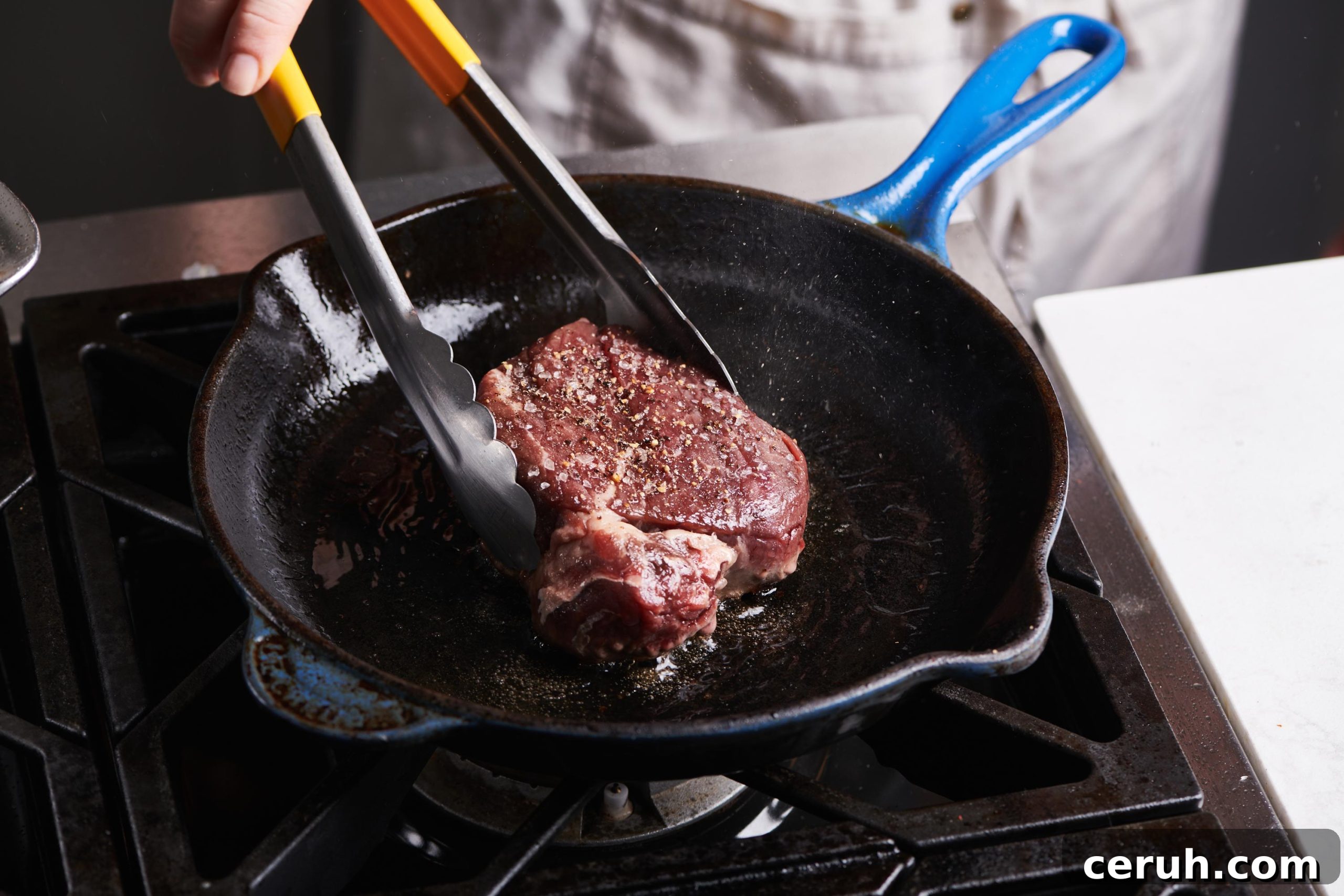
A small amount of fat is typically used. Reverse searing is the opposite: cook the item slowly first (for example, in the oven or sous vide) and finish by searing to develop a crust.
Seared Recipes
- Roast Beef with Mustard Garlic Crust and Horseradish Sauce
- Pan-Seared Pork Chops with Marsala and Mushroom Cream Sauce
- Pan-Seared Fish with Tomato Basil Relish
- Filet Mignon with Pistou and Green Salad
What Is the Definition of Braised?
Braising is a slow, moist-heat technique often used for tougher cuts of meat, though vegetables and poultry can also be braised. The food may be seared first, then finished gently in a covered pot with a moderate amount of liquid, usually not enough to fully submerge the ingredients.
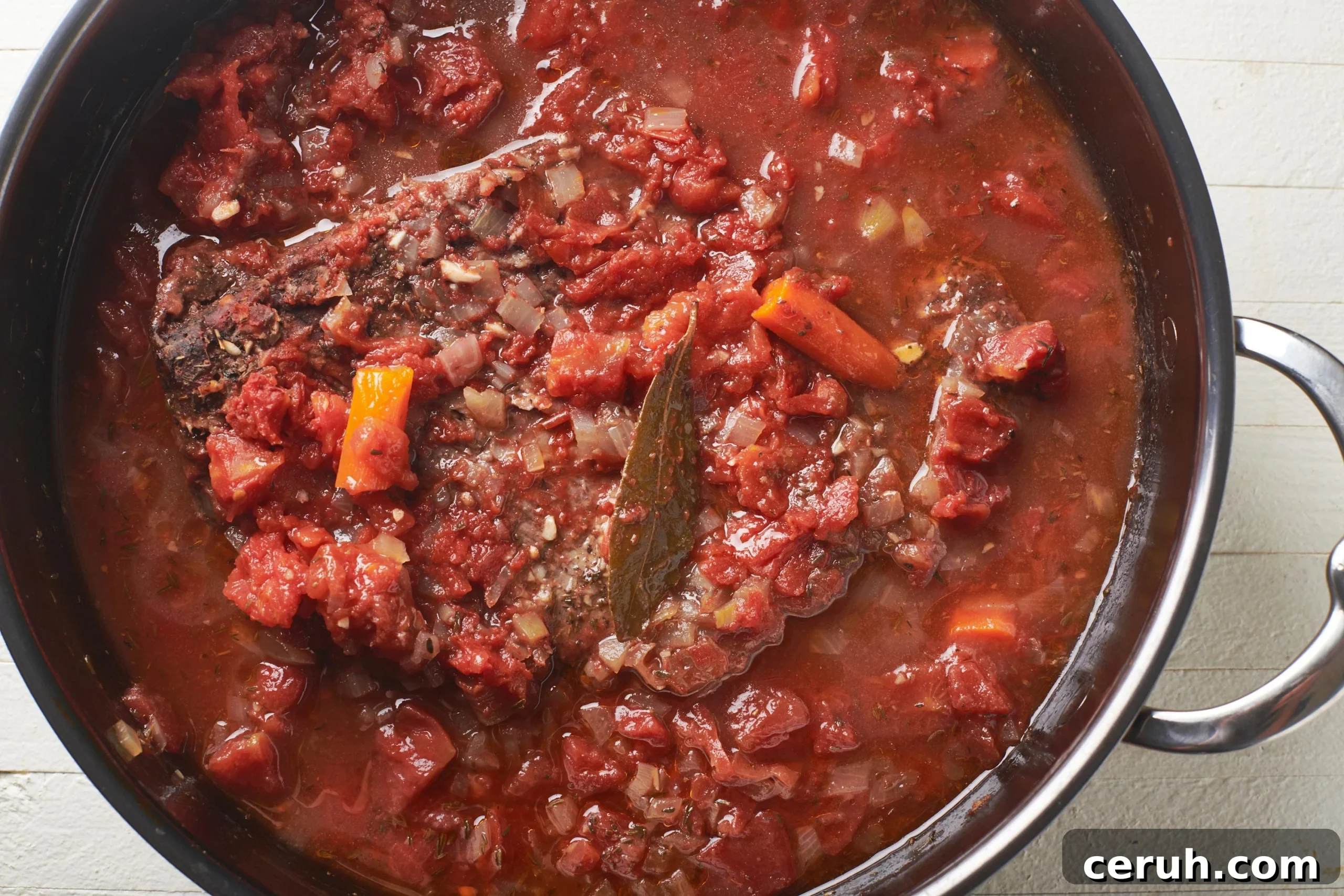
Aromatics like onions, carrots, and herbs are commonly added, and liquids vary from stock to wine or tomatoes. The pot is covered so steam condenses on the lid and self-bastes the food while it cooks slowly and becomes tender.
Braised Recipes
- Jewish Brisket for the Holidays
- Braised Chicken with Mushrooms and Baby Artichokes
- Braised Cauliflower with Anchovies and Capers
- Mediterranean-Braised Lamb Shoulder Chops
- Braised Baby Artichokes with Leeks and Capers
What Is the Definition of Stew?
Stewing is similar to braising but generally uses smaller, uniform pieces that are fully submerged in liquid. Ingredients are often browned first, then simmered together with vegetables and enough liquid to cover them. The pot is partially covered and the mixture cooks slowly until tender.
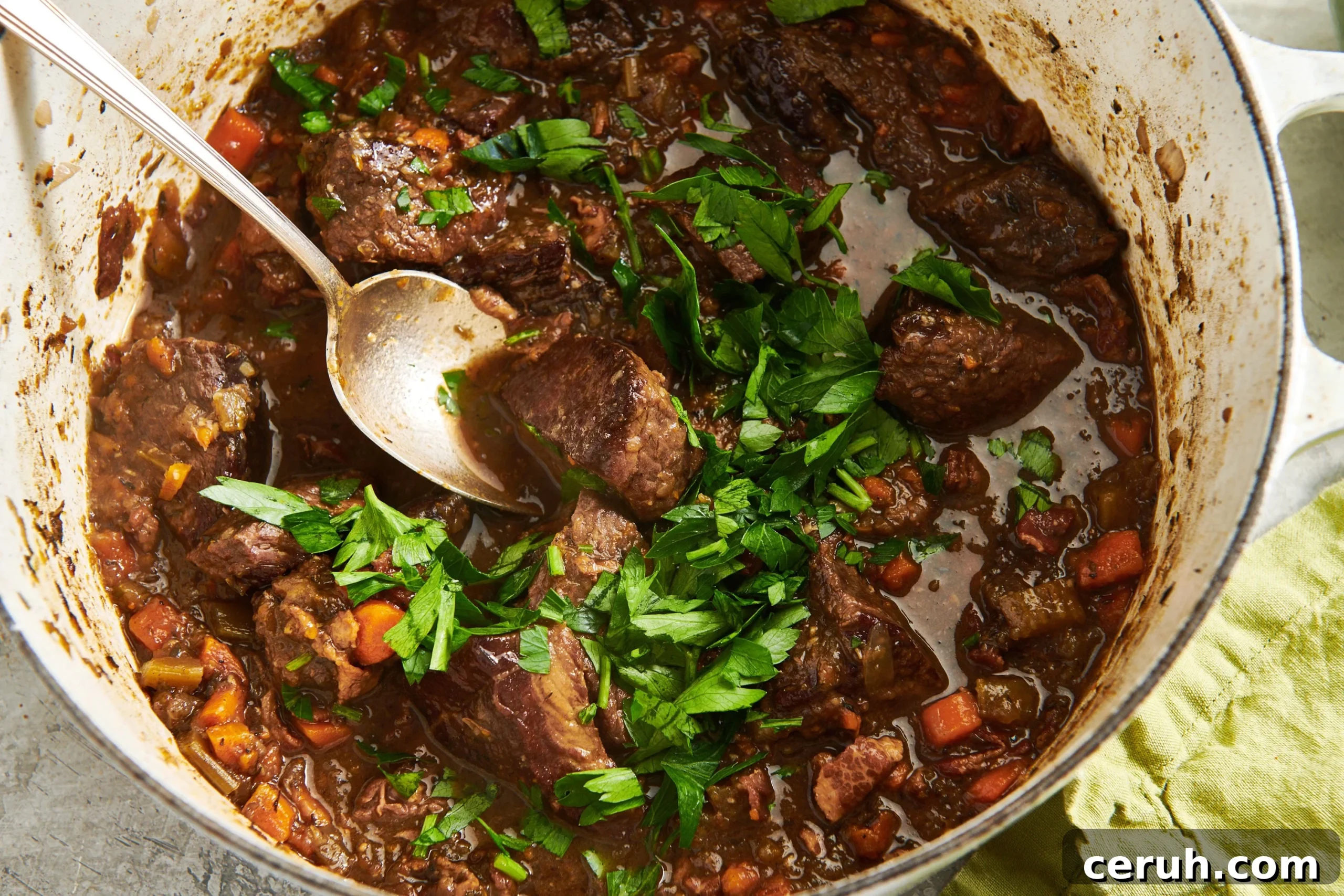
Stews and braises often taste better the next day as flavors meld, making them great make-ahead dishes. Slow cookers are convenient tools for creating stews with minimal hands-on time.
Stew Recipes
- Moroccan Lamb and Butternut Squash Stew
- Apple Cider Beef Stew
- Indian Spiced Chicken and Potato Stew
- Slow Cooker Barbecue Beer Beef Stew
What Is the Definition of Steaming?
Steaming cooks food with hot vapor from simmering liquid. The food rests above the liquid, preserving more nutrients and producing a gentle, even cook. Water is common, but broth, wine, or other aromatic liquids can be used as well.
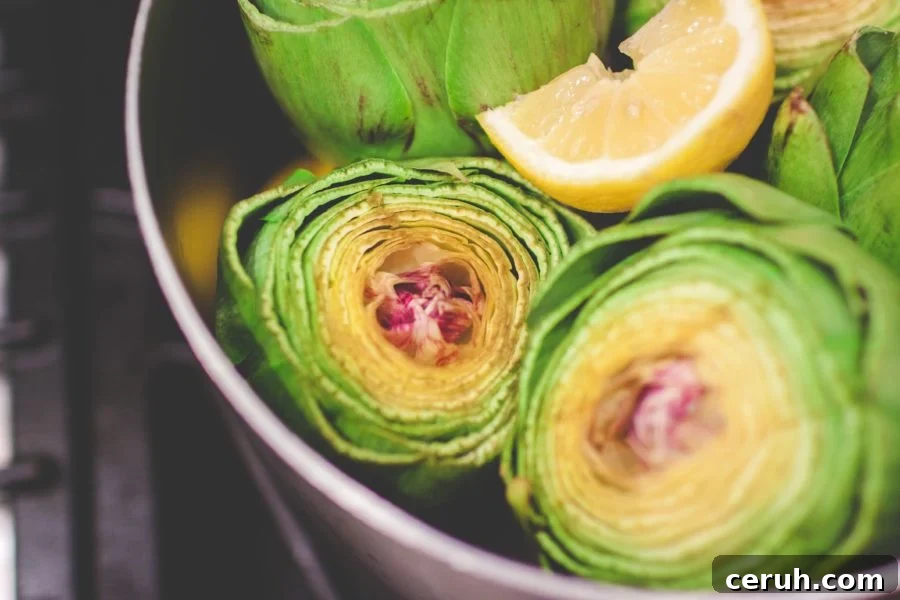
Leave enough room between pieces so steam circulates freely and cooks evenly. Keep the liquid level about one to two inches below the food, and add more liquid if it evaporates. Steam can also mean cooking with a small amount of water without suspending the food above it, which is a quick method for vegetables like asparagus.
Steaming Tips
Many steamers use a perforated platform to hold food above simmering liquid. You can steam in a basket or on a plate; juices that collect will enrich the finished dish. Take care when removing lids — steam can burn, so keep your face and hands well away from escaping vapor.
Steamed Recipes to Try
- Shiitake Mushroom and Spinach Dumplings
- Steamed Asparagus
What Is the Definition of Baking?
Baking is cooking with indirect, dry heat in an oven, usually uncovered. It’s the term most often used for breads, cookies, cakes, and other baked goods, but it also applies to savory dishes like casseroles or baked chicken. Baking cooks food from the outside in; when oven temperatures climb to around 400°F or higher, people often refer to the process as roasting instead.
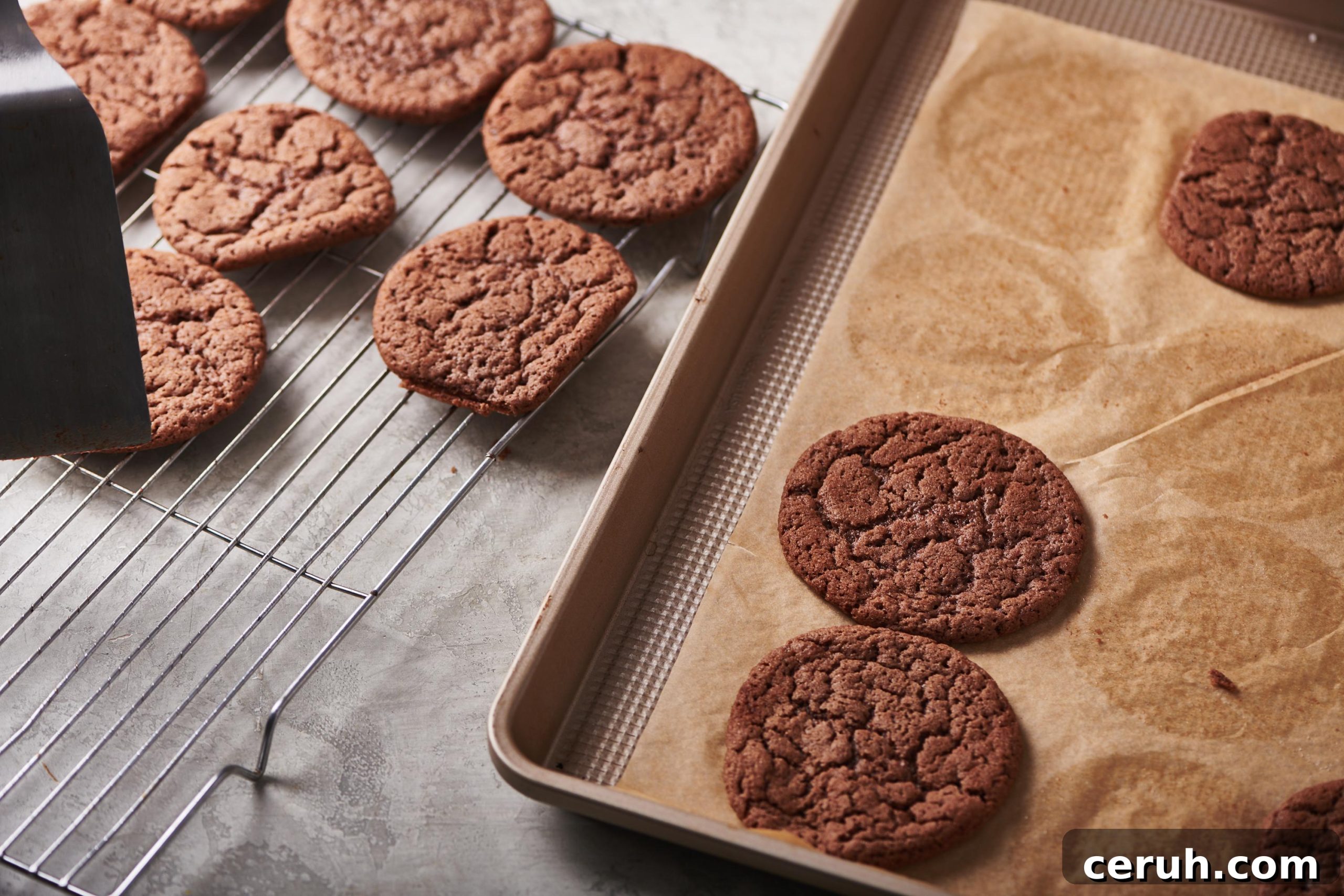
Baking Recipes
- The Best Streusel Apple Pie Ever
- Fudgy One-Pot Brownies
- Macaroni and Cheese (oven-baked)
- Pizza Quattro Stagioni
- Classic Cheesy Beefy Lasagna
What Is the Definition of Roasting?
Roasting is an oven technique similar to baking but typically uses higher temperatures and a shallower pan so heat circulates and the food browns rather than steams. Roasting develops a caramelized exterior while keeping the interior moist. It can refer to oven cooking or to cooking over live fire, such as spit-roasting.
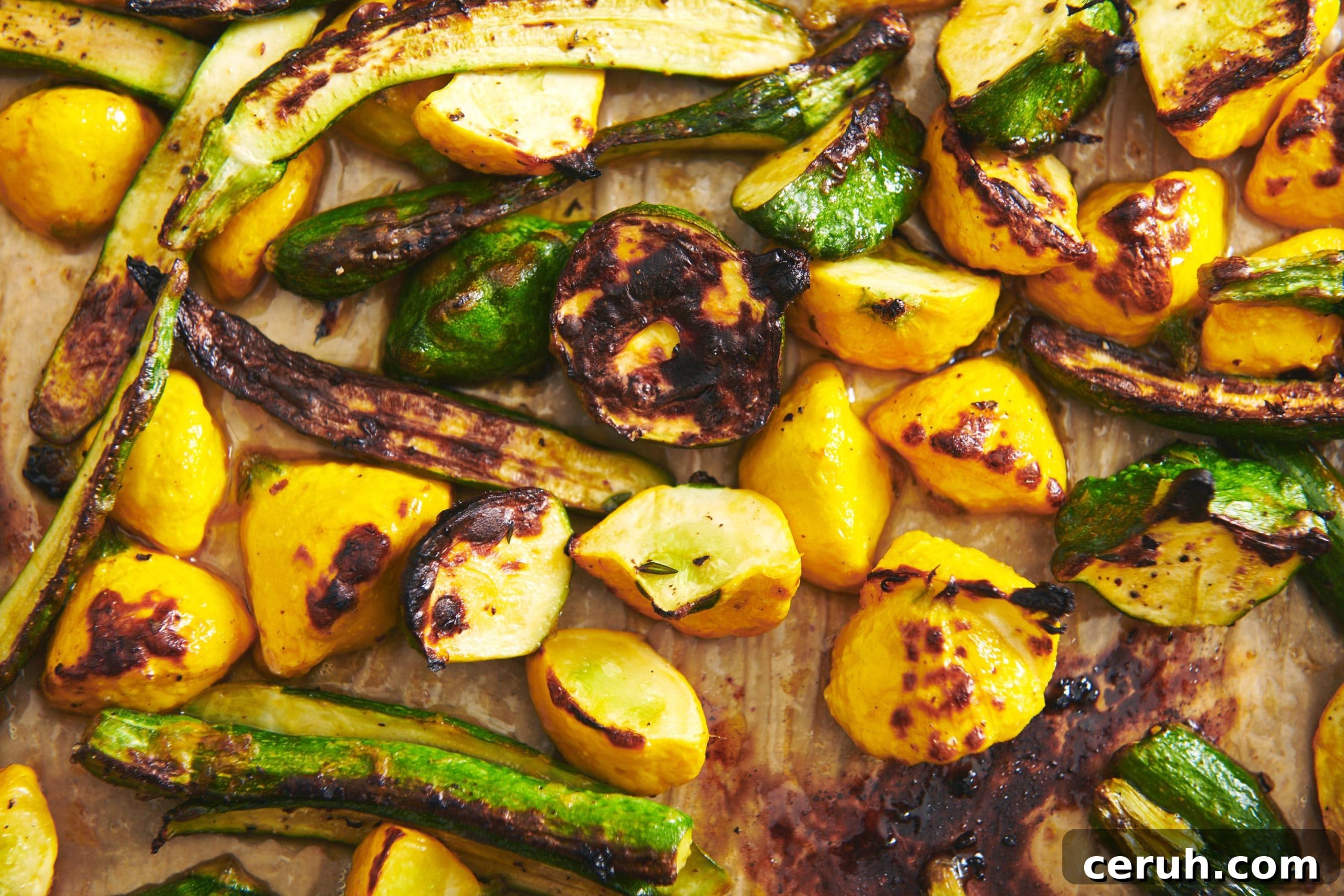
Roasted Recipes
- Roasted Butternut Squash
- Simple Lemon-Garlic Roasted Turkey Breast
- Greek Roasted Chicken Breasts
- Roasted Winter Vegetables with Blue Cheese
- Roasted Potatoes with Arugula-Basil Dipping Sauce
- Garlicky Roast Chicken with Shallots and Potatoes
What Does Broil Mean?
Broiling exposes food to direct, high heat from above. Place the oven rack close to the broiler so the food is near the heat source. Broiling browns the exposed side quickly; you may need to turn items to brown multiple sides evenly.
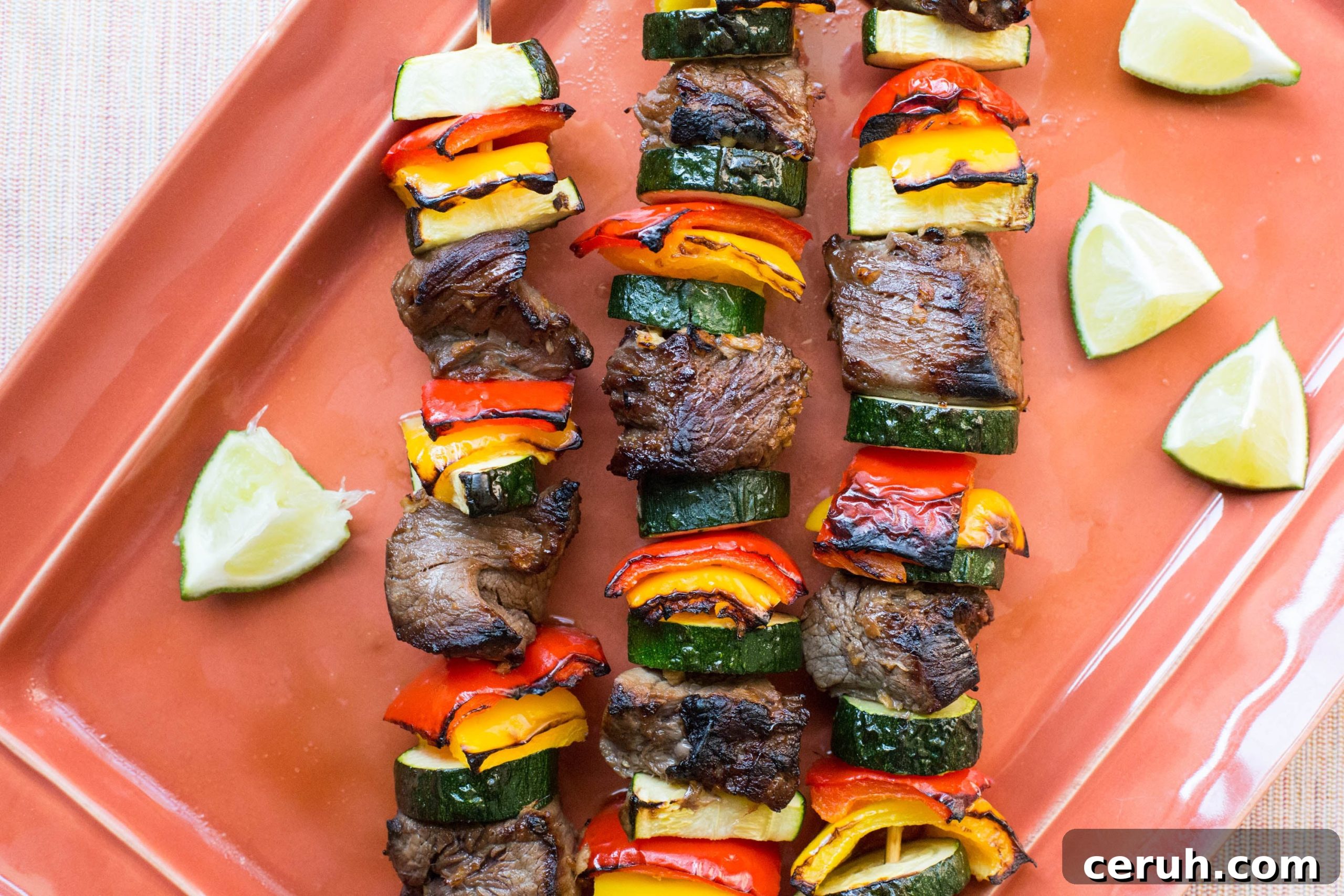
Broiling is best for foods that cook quickly, such as fish, chicken breasts, burgers, and kebabs, or for finishing dishes like frittatas. Use a shallow baking sheet so the food sits close to the heat and keep a close eye on the process to prevent burning.
Broiled Recipes
- Beef Teriyaki Kebabs with Peppers and Zucchini
- Teriyaki Beef and Chicken Skewers
- Vegetable Frittata
- Japanese Miso Eggplant
What Is the Definition of Grilling?
Grilling uses live fire and direct heat to cook food quickly, producing a browned, caramelized exterior. Gas grills are easy to adjust for temperature, while charcoal or wood require more practice to manage heat and hotspots. A two-zone setup — one hot side and one cooler side — gives you flexibility to sear and then finish foods at a gentler temperature.
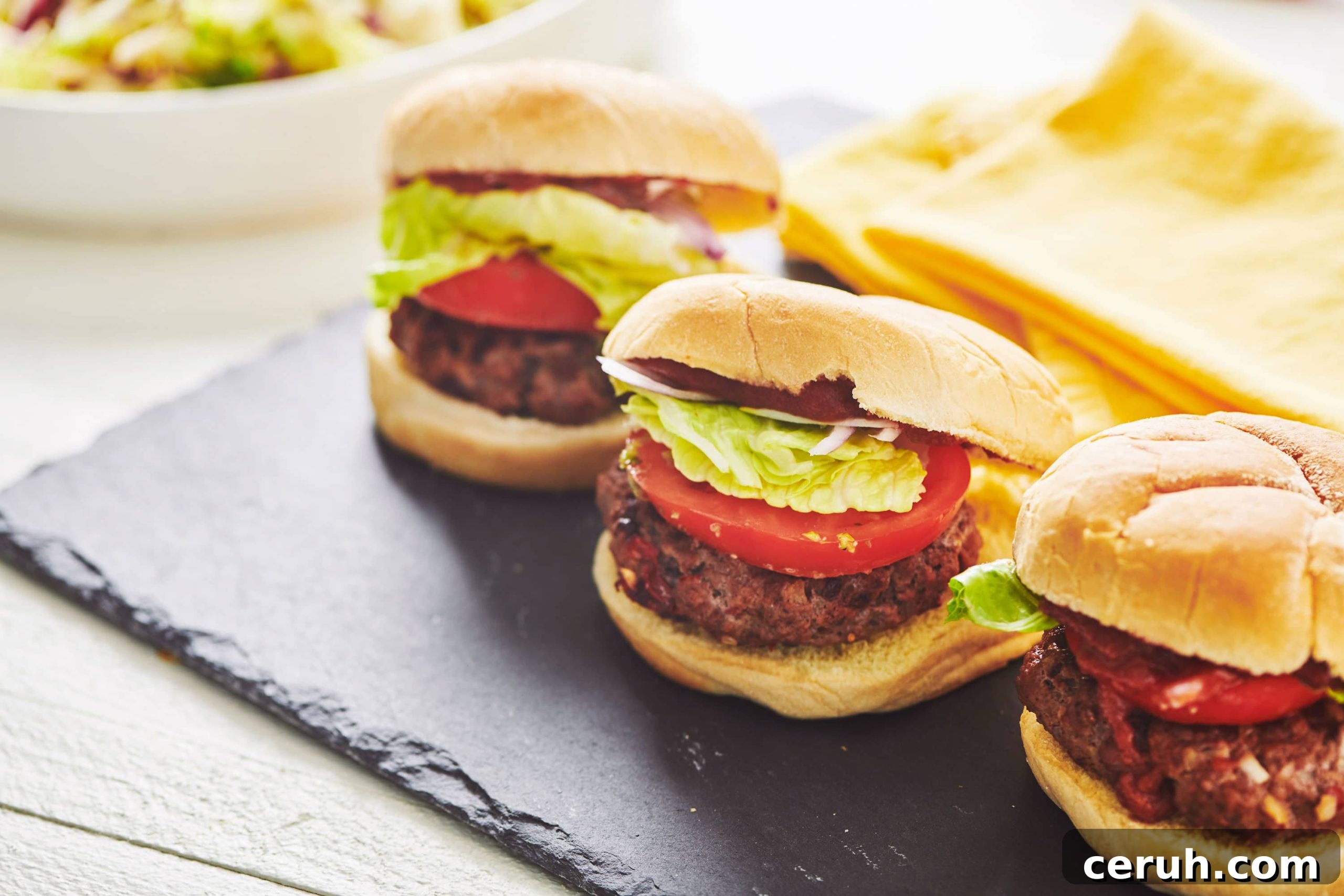
Grilling suits tender cuts of meat, poultry, fish, shellfish, vegetables, and even fruit. Stay attentive to prevent flare-ups and charring. Timing varies by food and grill, so test doneness as you go. Grilling is distinct from barbecuing, which refers to low-and-slow cooking over indirect heat.
Grilled Recipes
- Grilled Cheeseburgers with Herb Sauce
- Mexican Grilled Corn
- Grilled Lemony Chicken and Baby Artichokes
- Grilled Soy-Ginger Pork Chops
- Simple Grilled Herbed Chicken