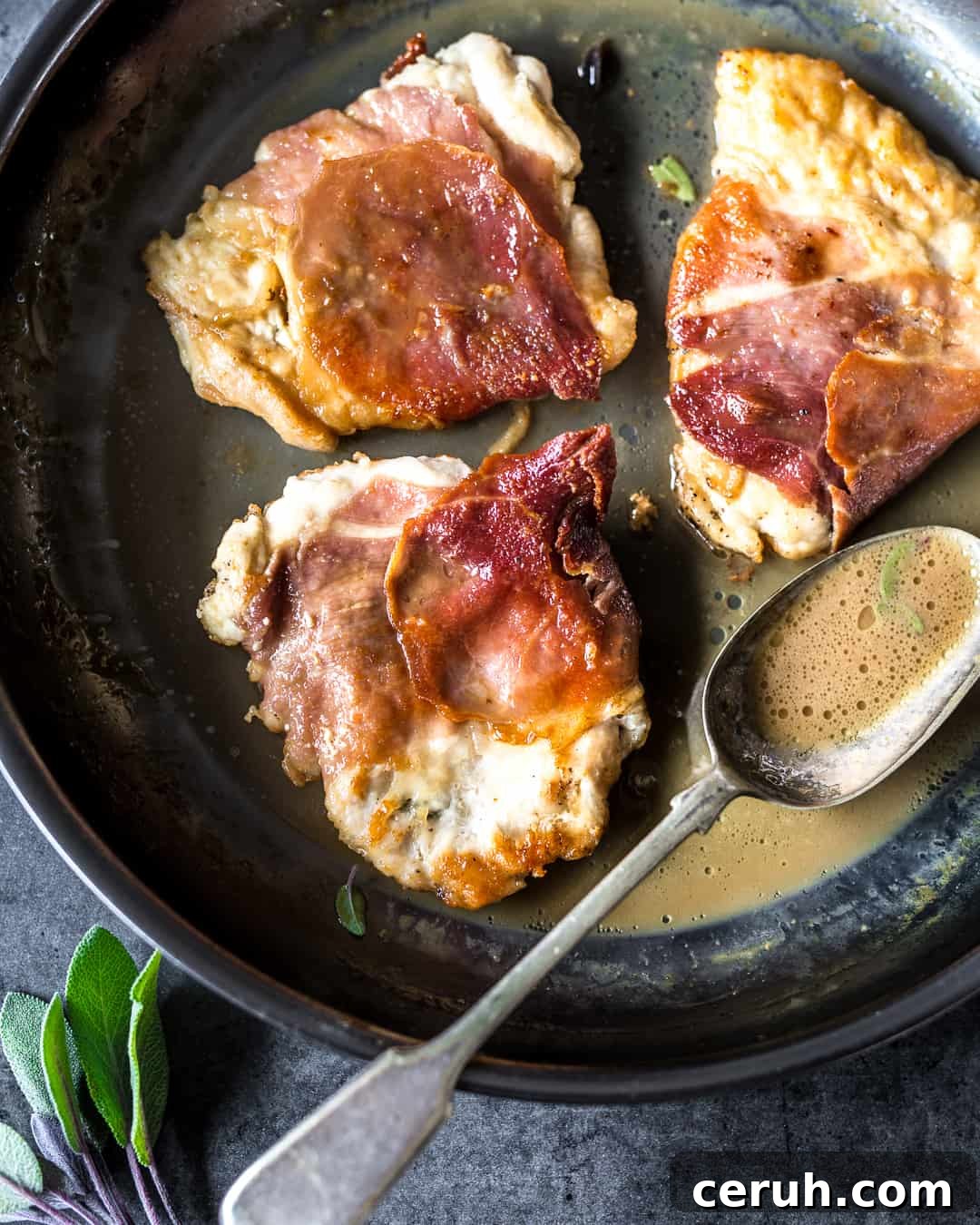
Saltimbocca is a timeless Italian dish that makes you wish you had invented it. The name literally means “jumps in the mouth,” and one bite explains why. Regional variations exist across Italy, but most versions use thinly pounded meat (traditionally veal), fresh sage leaves, and prosciutto di Parma. In some preparations the sage and prosciutto are layered inside the meat (Saltimbocca alla Romana), while in others they’re secured along the outside with a toothpick. You’ll also encounter braciole or involtini (stuffed rolls) made from the same core ingredients. Each approach has its merits; try a few to decide which you prefer. A practical note: frying toothpicks can be risky, so consider alternative securing methods.
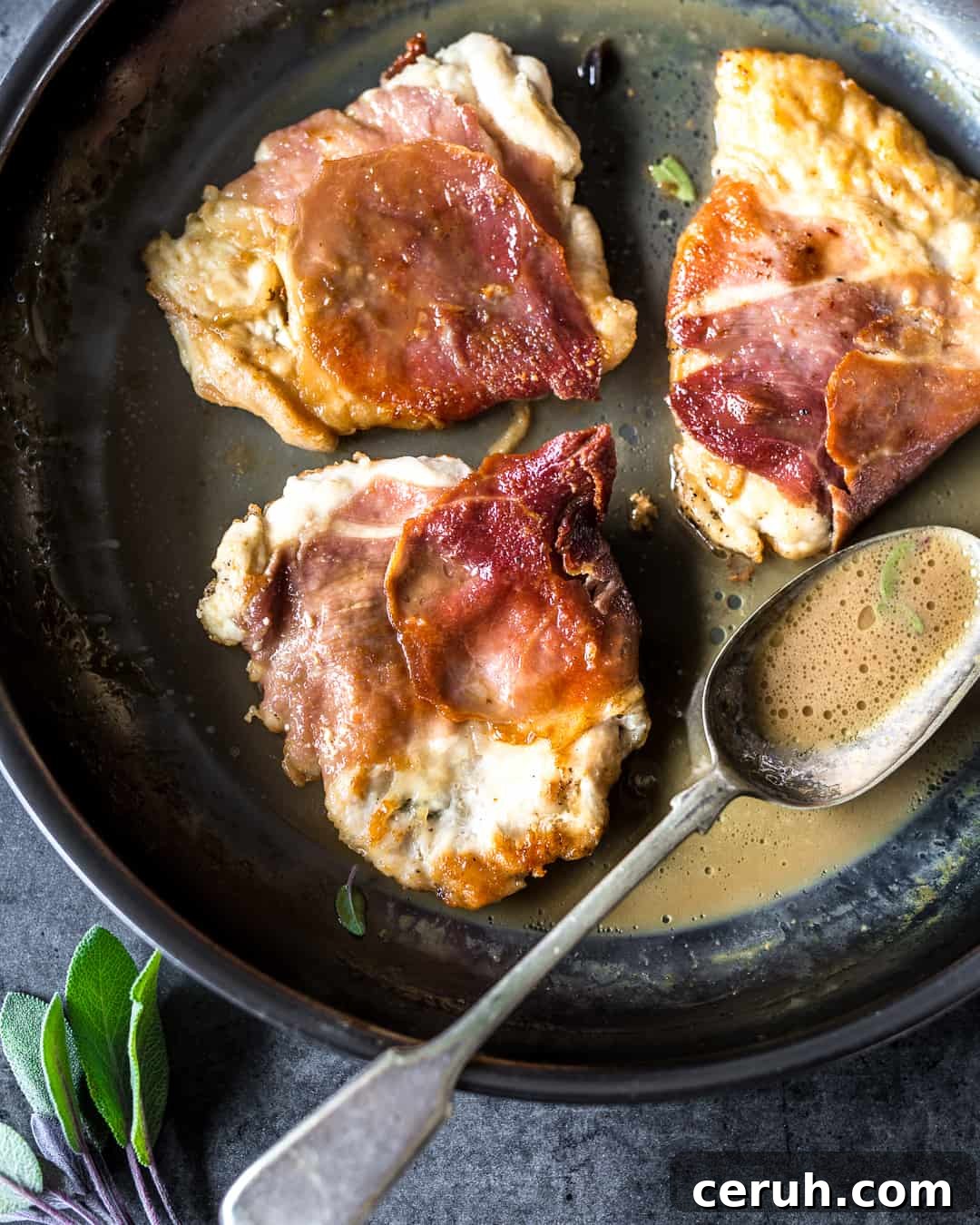
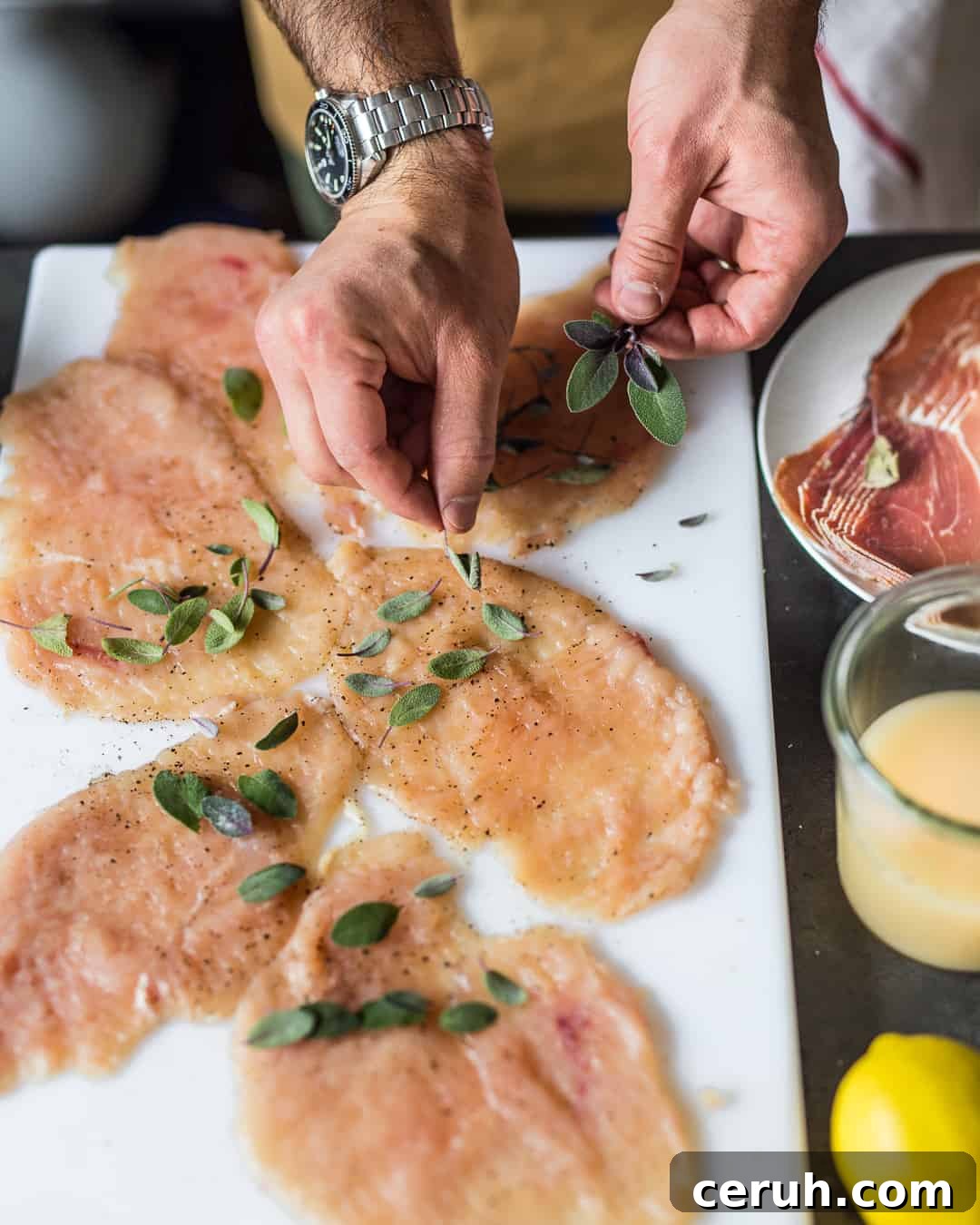
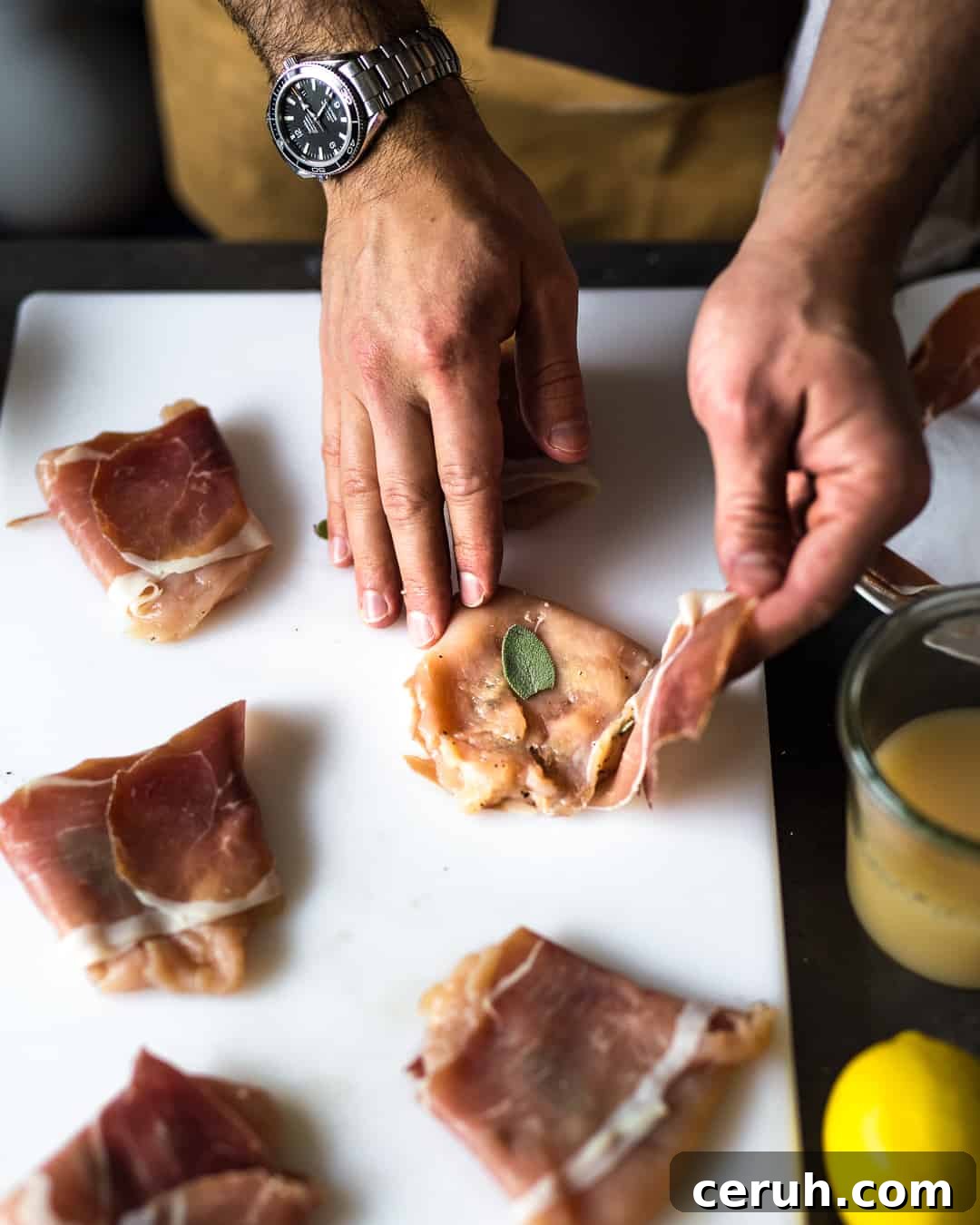
My version is inspired by the classic Roman-style saltimbocca and by chefs like Mario Batali, whose straightforward recipes are easy to adapt for paleo or Whole30 preferences. For this take I used chicken breasts instead of veal simply because that’s what I had on hand. I season the inside of each butterflied breast with salt and pepper, then pound it thin. A few fresh sage leaves are placed on the meat before folding it into a small packet. The folded chicken is then set onto a thin slice of prosciutto with the seams running perpendicular to each other. I often tuck an extra sage leaf on the outside for added aroma; as the prosciutto crisps, the oil will lightly toast the sage and add a bright note to the dish.
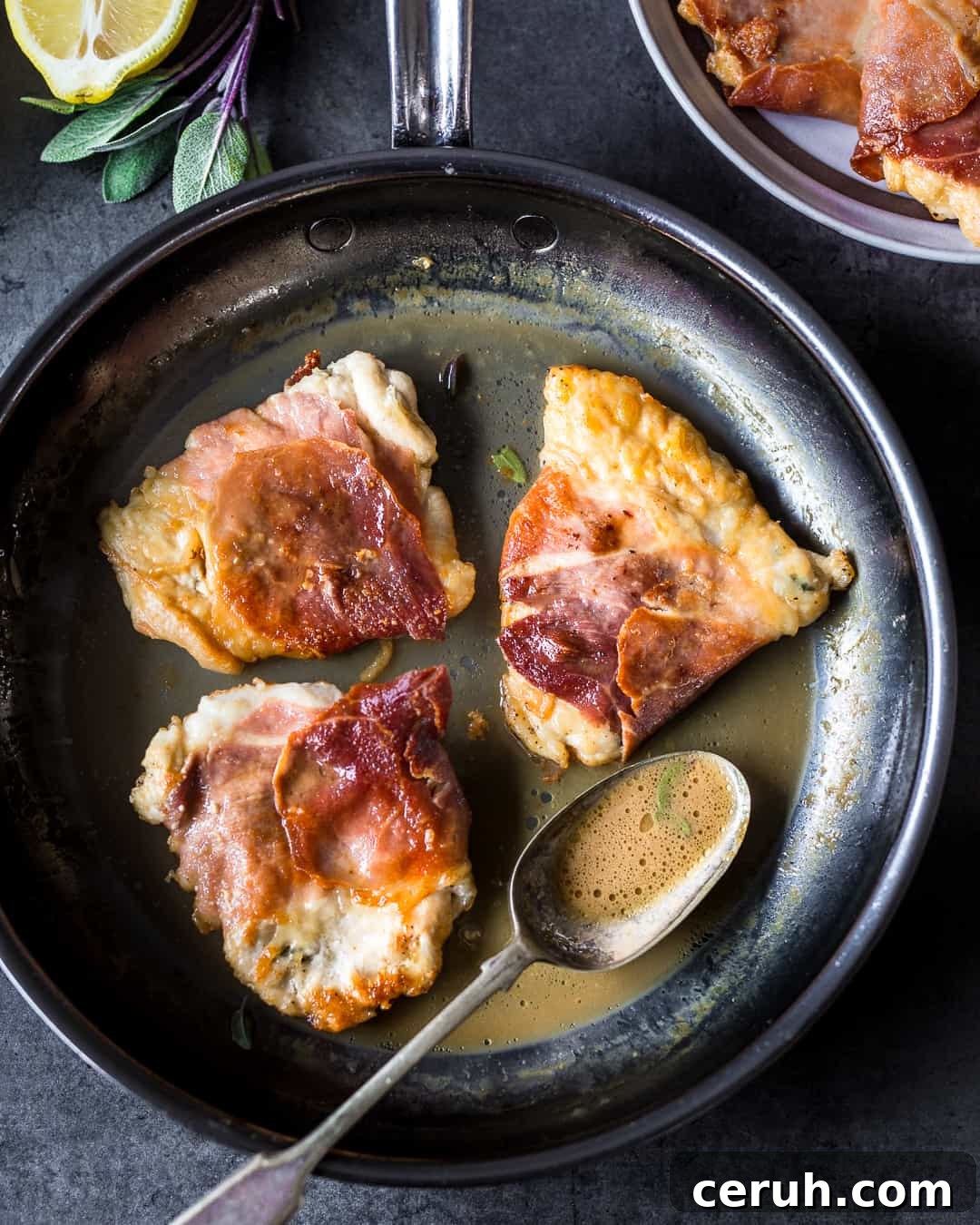
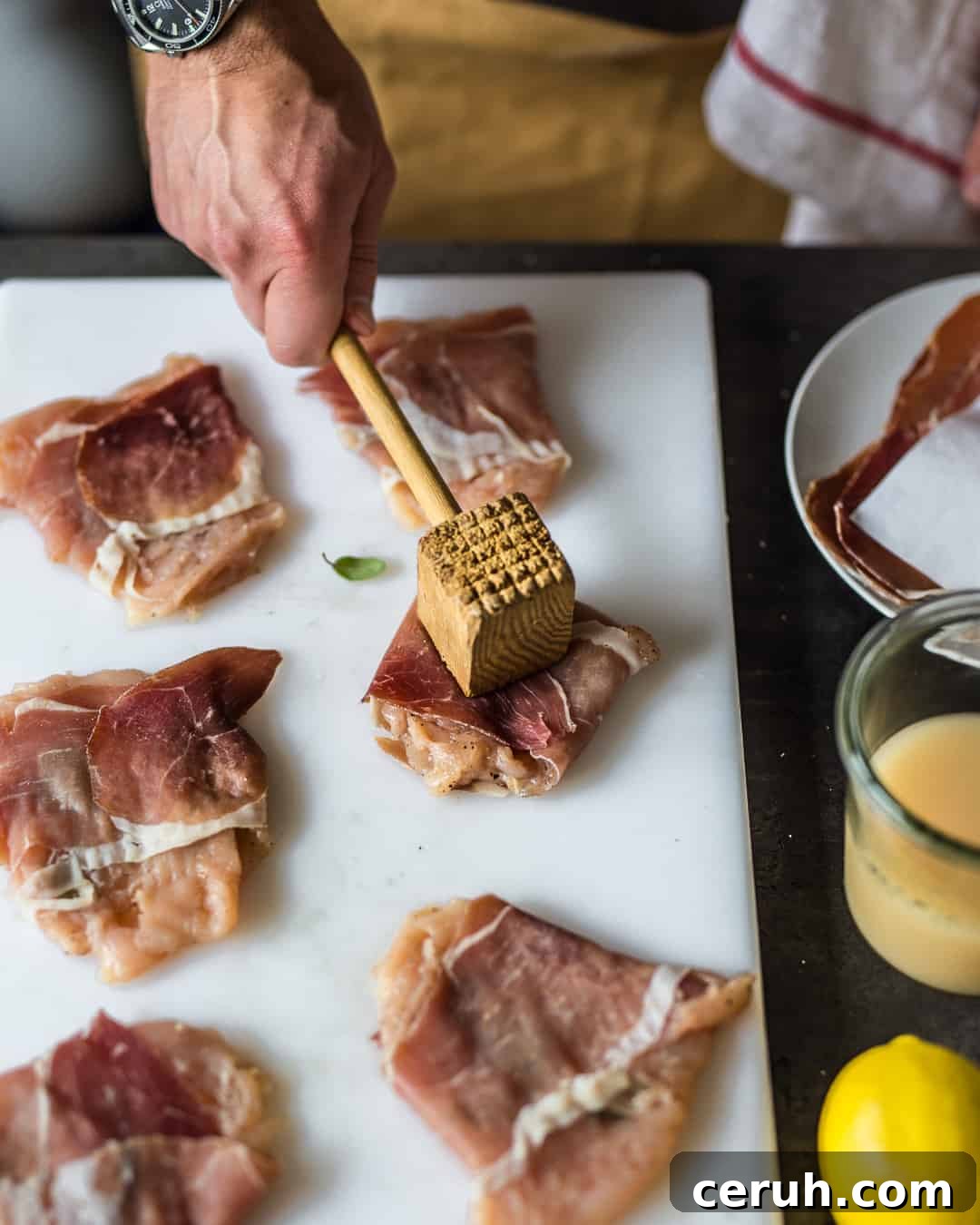
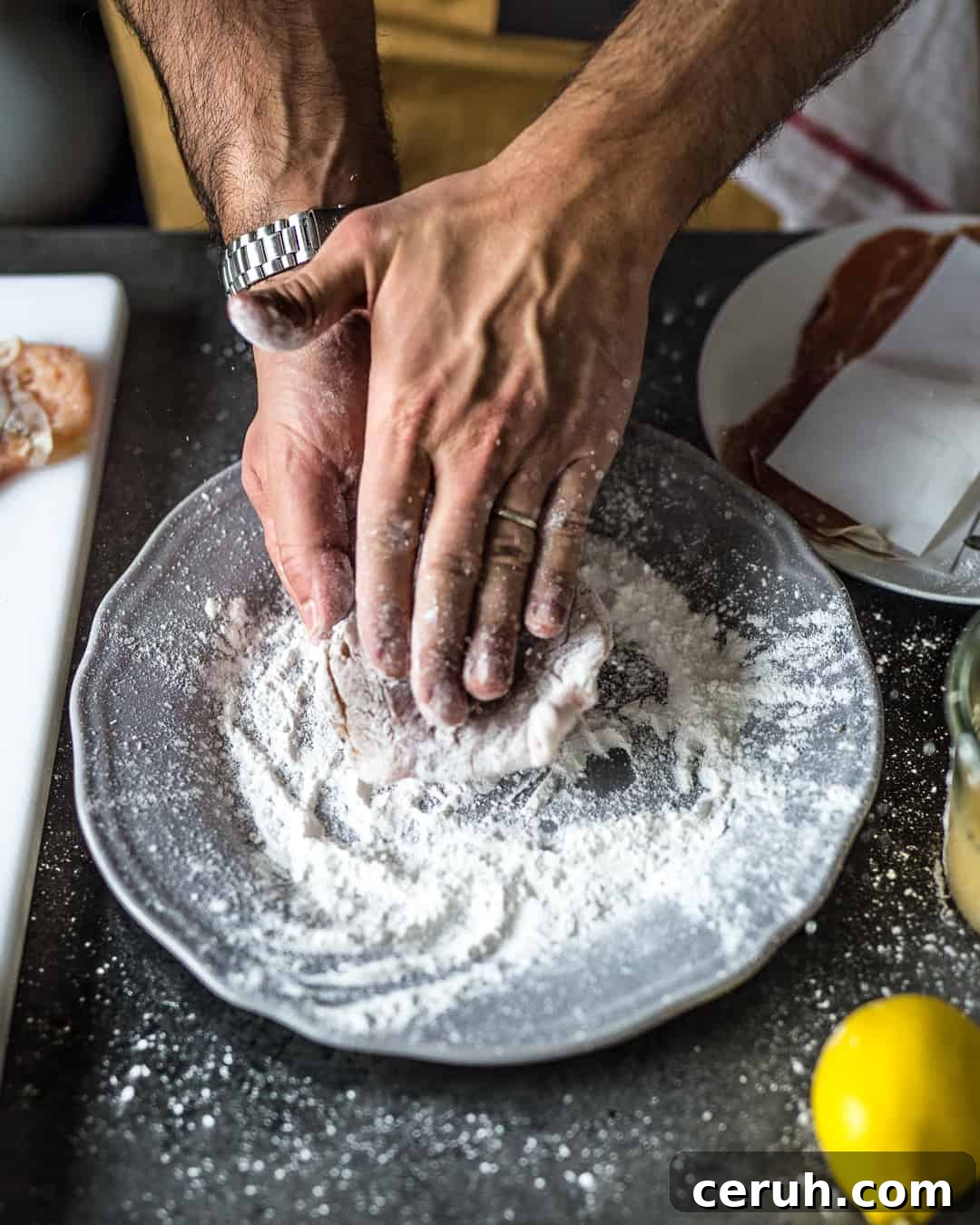
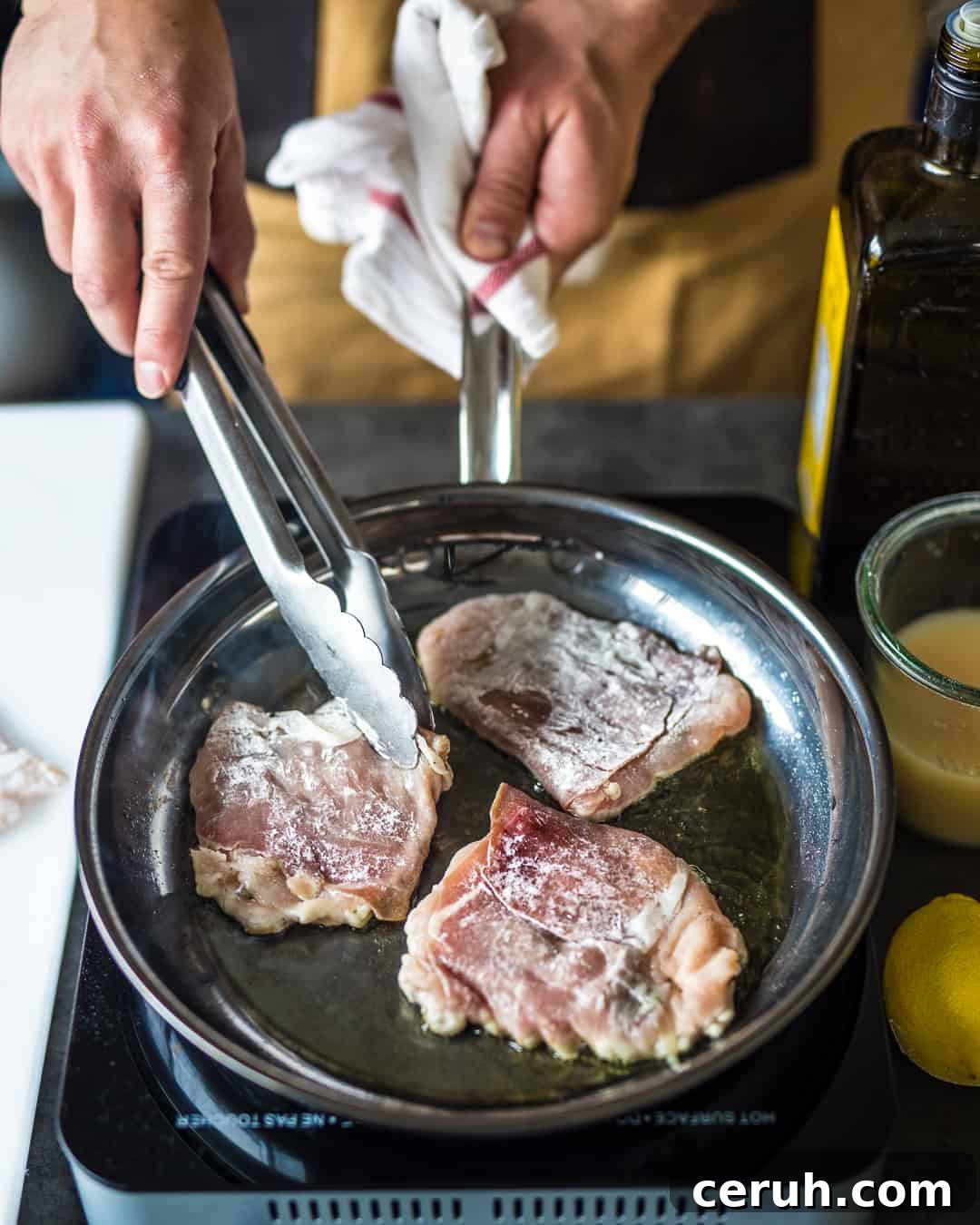
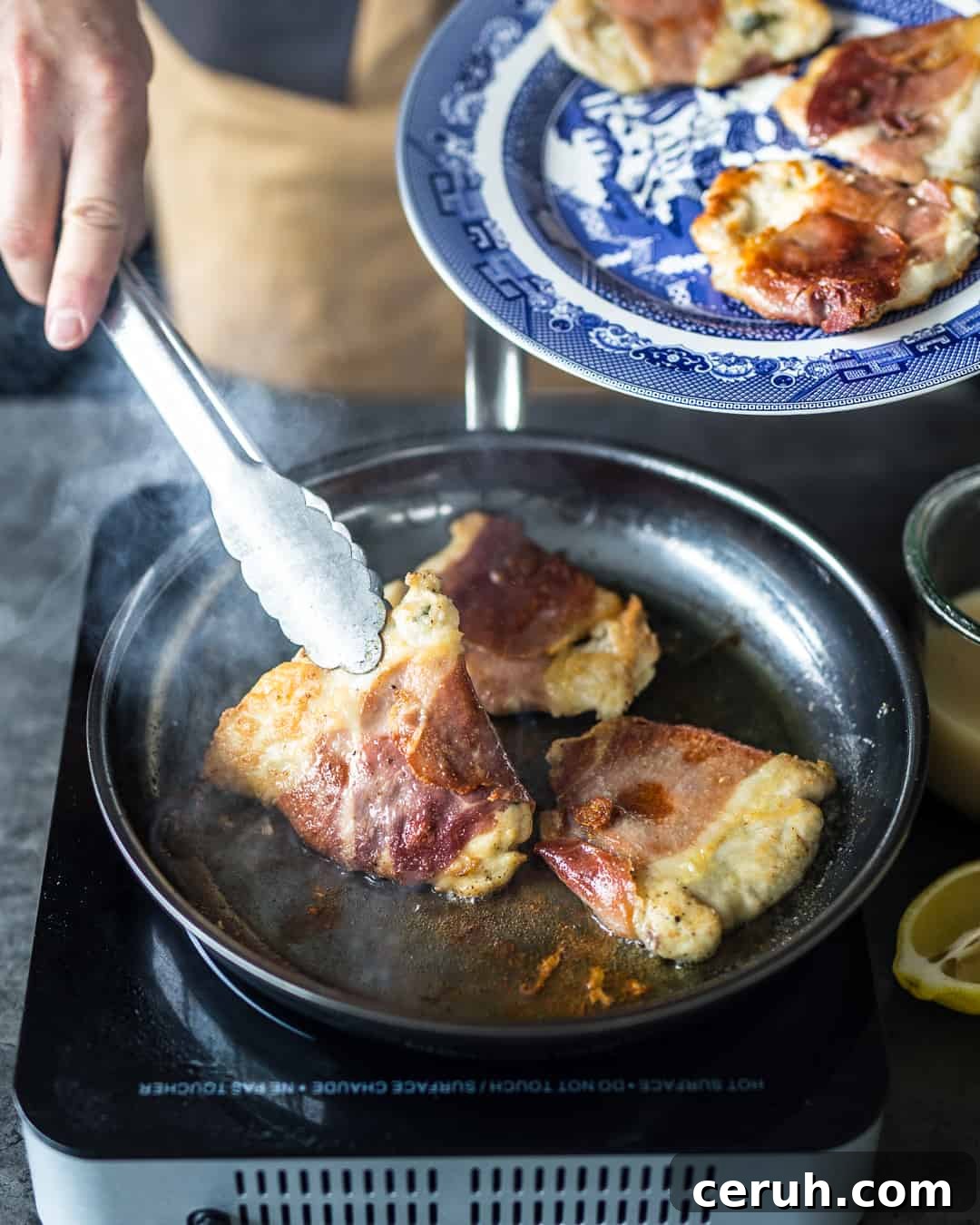
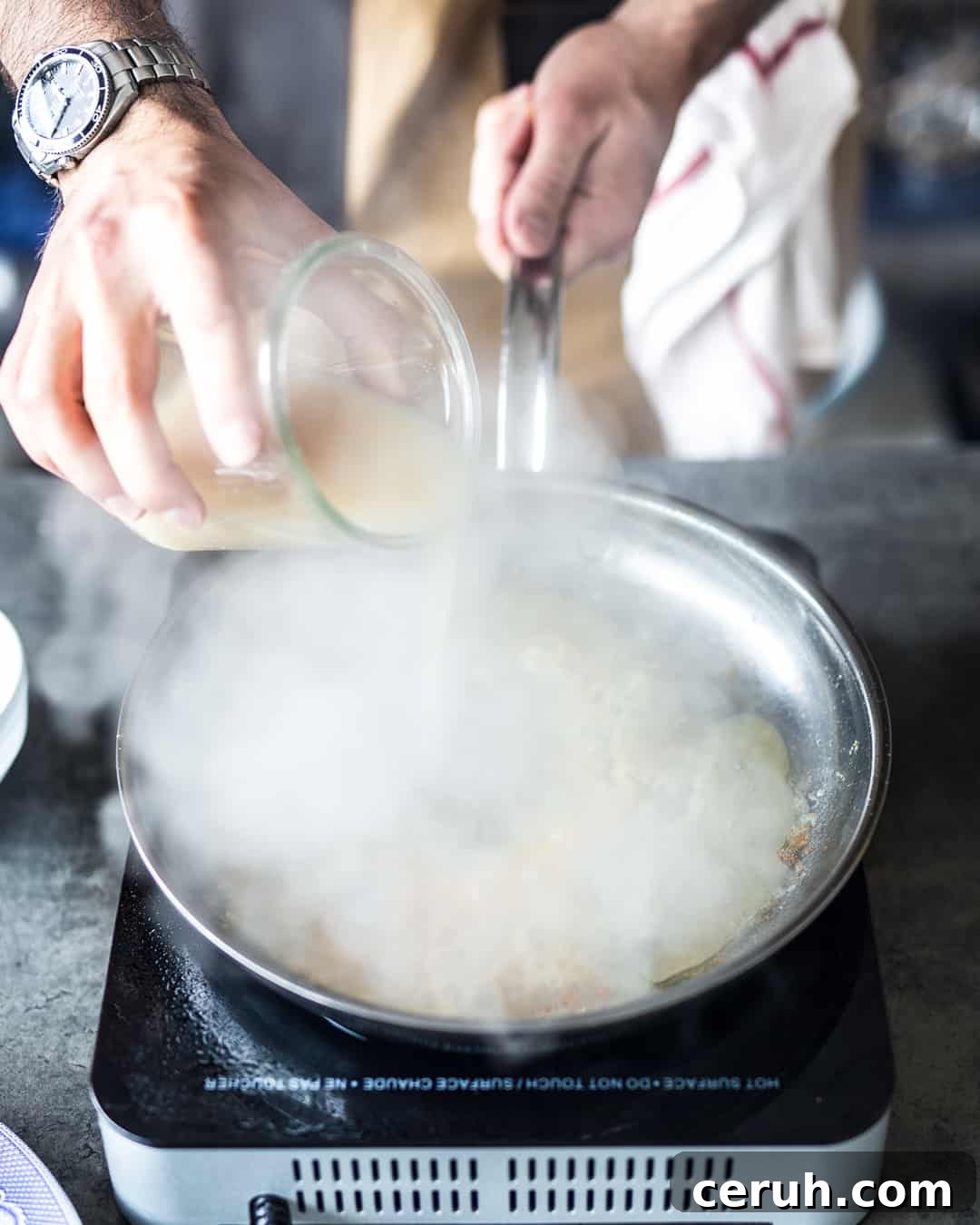
After wrapping, I give each package another gentle pound and dredge it in arrowroot starch — this is the main change I make to keep the recipe paleo/Whole30 friendly. The saltimbocca are pan-fried in extra virgin olive oil until both sides are golden and crisp. I transfer the cooked pieces to a serving dish, then add stock and a squeeze of lemon to the skillet. Scraping the pan to lift the browned bits, I reduce the liquid by about half. Those browned bits, combined with the arrowroot residue, help the stock thicken into a loose, flavorful sauce. Spoon the sauce over the saltimbocca and serve immediately for best texture; left to sit, they can lose their crispness.
This method is quick — roughly 15–20 minutes from start to finish — and approachable for cooks of any skill level. Serve saltimbocca over cauliflower purée or zucchini noodles with a side of sautéed rapini or spinach. Enjoy it hot and fresh for the best experience.
See the images below for a step-by-step visual guide to making Paleo/Whole30 Saltimbocca.
I hope you enjoy this recipe — let me know how it turns out in the comments!
Cheers,
Ronny
Step-by-Step: How to Make Saltimbocca
INGREDIENTS: (serves 3)
3 chicken breasts, butterflied into two slices each (6 fillets total)
8–10 fresh sage leaves (use more if leaves are small)
6 slices prosciutto di Parma (choose prosciutto containing only pork and salt)
1/4 cup arrowroot starch for dredging
1/2 cup chicken stock (or bone broth/stock of choice)
Juice of 1/4 lemon
Extra virgin olive oil
Salt and freshly ground black pepper
METHOD:
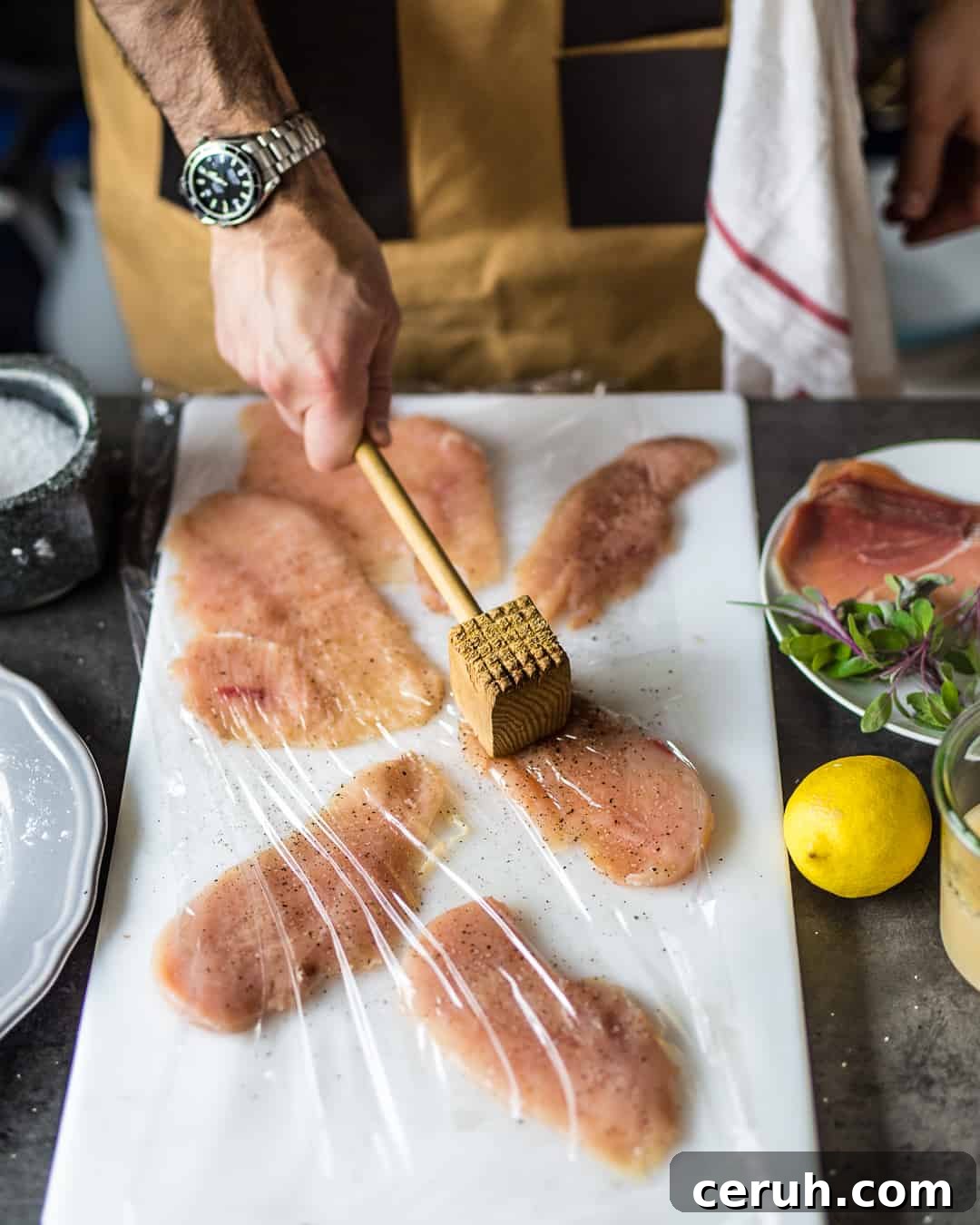
- Rinse and thoroughly pat the chicken breasts dry. Butterfly each breast and season the interior with salt and pepper. Cover with plastic wrap and gently pound with a mallet until the meat is thin and even.
- Place a few sage leaves on each piece of chicken, then fold the top half over to form a packet.
- Set the folded chicken onto a thin slice of prosciutto so the seams run perpendicular. Add an extra sage leaf on top if desired, then wrap tightly with the prosciutto.
- Lightly pound the assembled saltimbocca to flatten, then dredge both sides in arrowroot starch, shaking off any excess.
- Warm about 1/4 cup extra virgin olive oil in a stainless steel skillet over medium-high heat. When hot, carefully place the saltimbocca in the pan and pan-fry until golden, crispy, and cooked through, about 4 minutes per side. Transfer to a serving dish and set aside.
- Pour out the excess oil from the skillet but leave any browned bits. Return the skillet to the heat and deglaze with 1/2 cup stock and the juice of 1/4 lemon, scraping up the fond with a wooden spoon. Reduce the liquid by roughly half until it forms a loose sauce. Spoon the sauce over the saltimbocca and serve immediately.