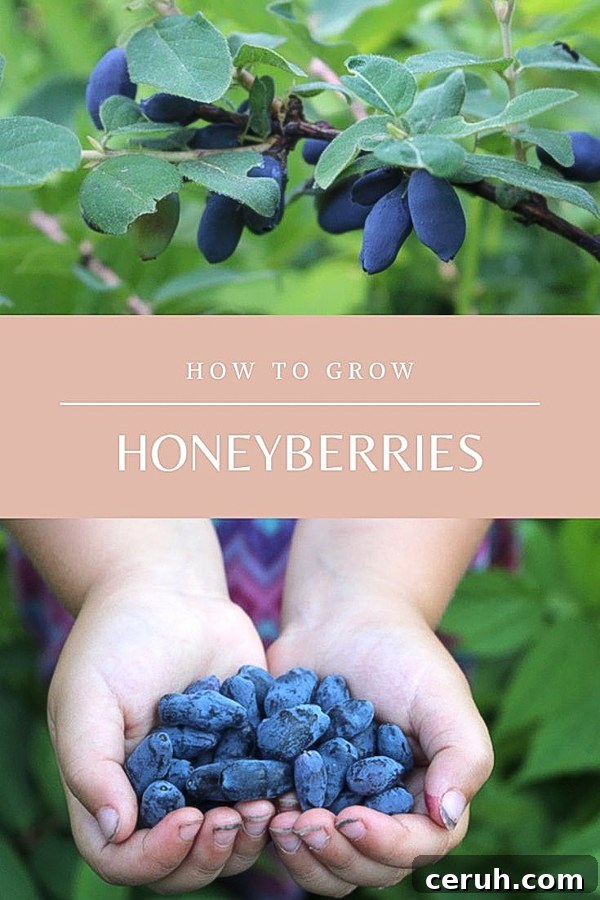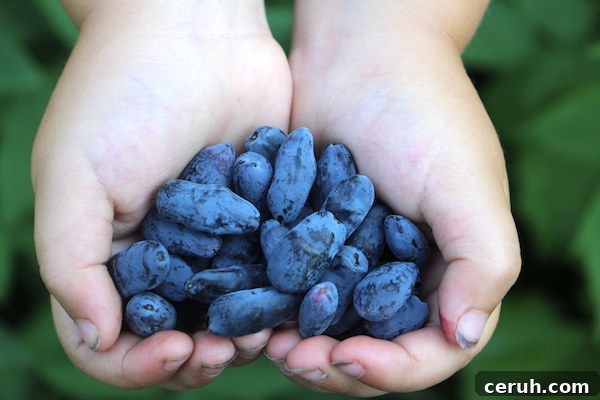
Honeyberries, also called haskap berries, are a fruiting honeysuckle with a flavor that falls somewhere between a blueberry and a grape. For gardeners in cold climates, honeyberries are a reliable source of early spring fruit, ripening roughly three weeks before strawberries. Extremely cold-hardy, they will grow and produce even where winters dip to -40°F.
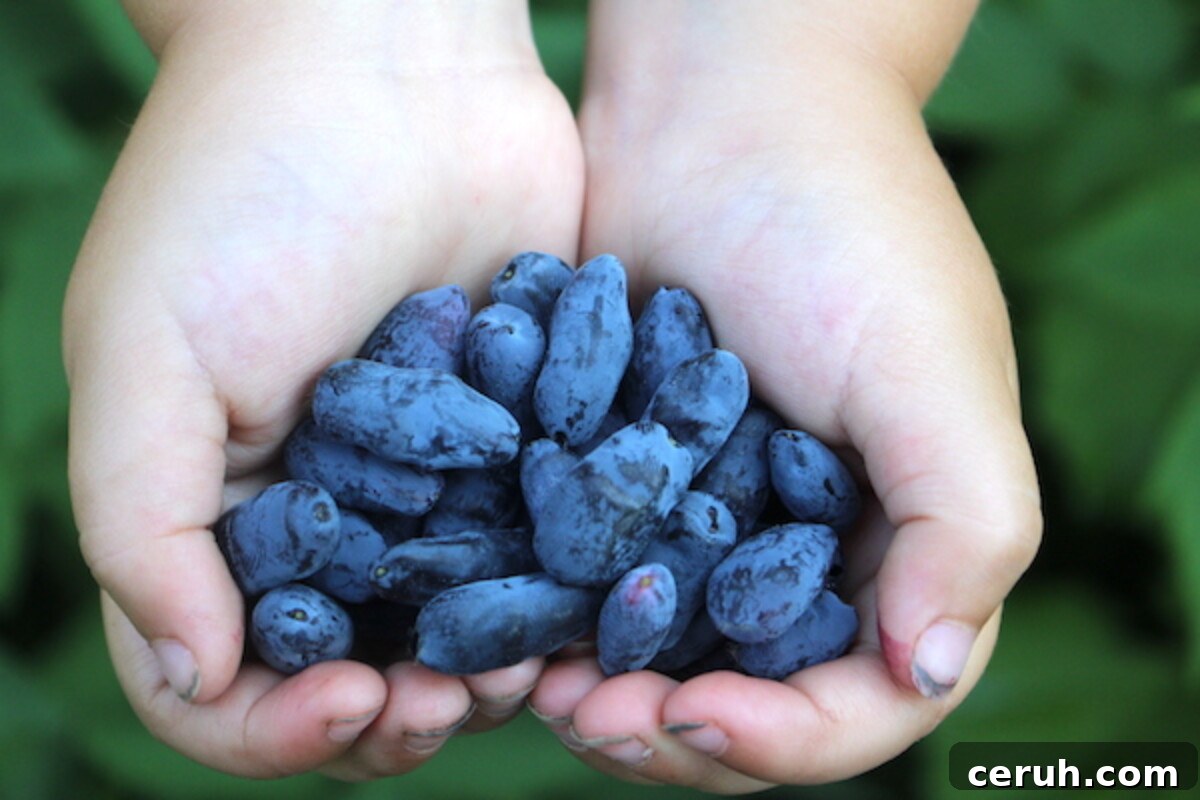
Honeyberries (Lonicera caerulea), also known as haskaps, blue-berried honeysuckle, or sweetberry honeysuckle, have been cultivated for centuries in cold regions such as eastern Europe. They’ve gained renewed interest among permaculture gardeners because they require very little care, tolerate poor soils, and establish quickly.
Knowing they would suit our northern Vermont climate, I sought honeyberry plants for years before finally finding a source. Our site has shallow, clay-heavy soil and long winters (Zone 4), yet honeyberries perform well in these conditions.
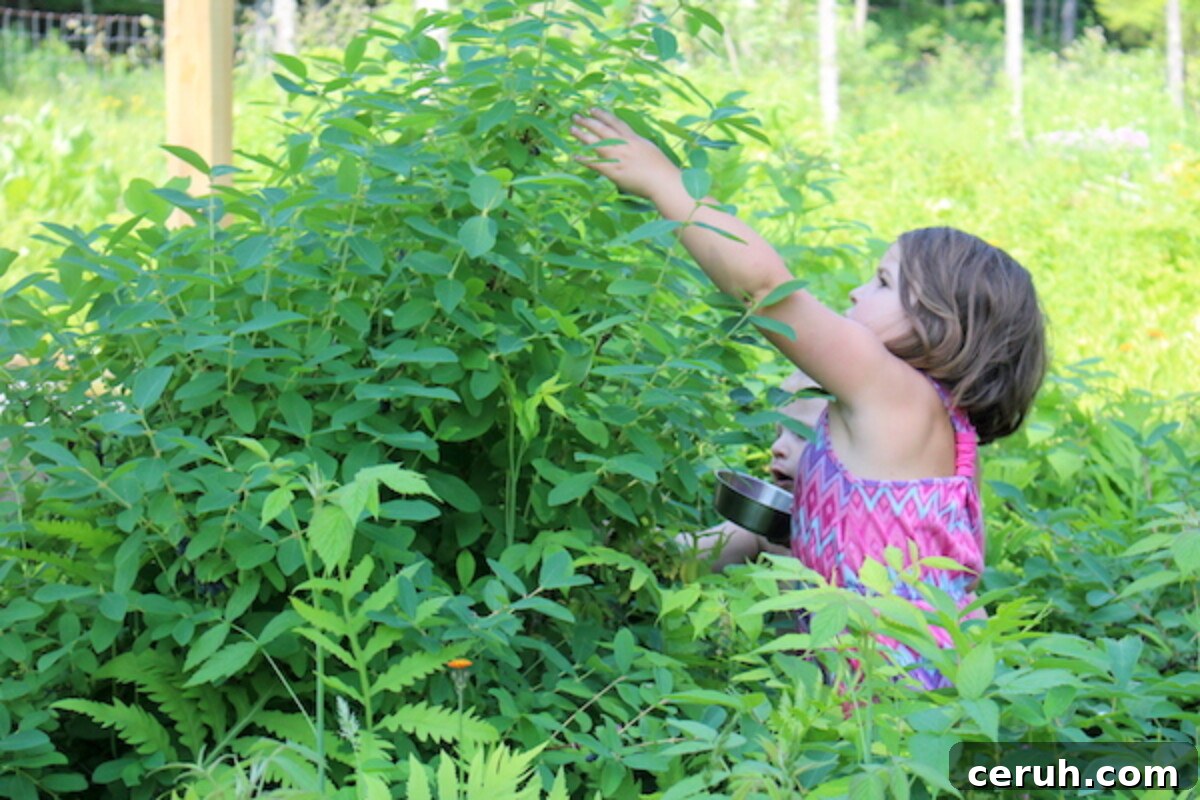
I purchased the plants just days before my first child was born. Those young bushes grew quickly; four years later they tower at about five feet, outpacing even my tall daughter and producing abundant fruit.
Honeyberry plants often begin bearing in their second spring. Yields start light while the plant focuses on vegetative growth, but once established the bushes can be very productive.
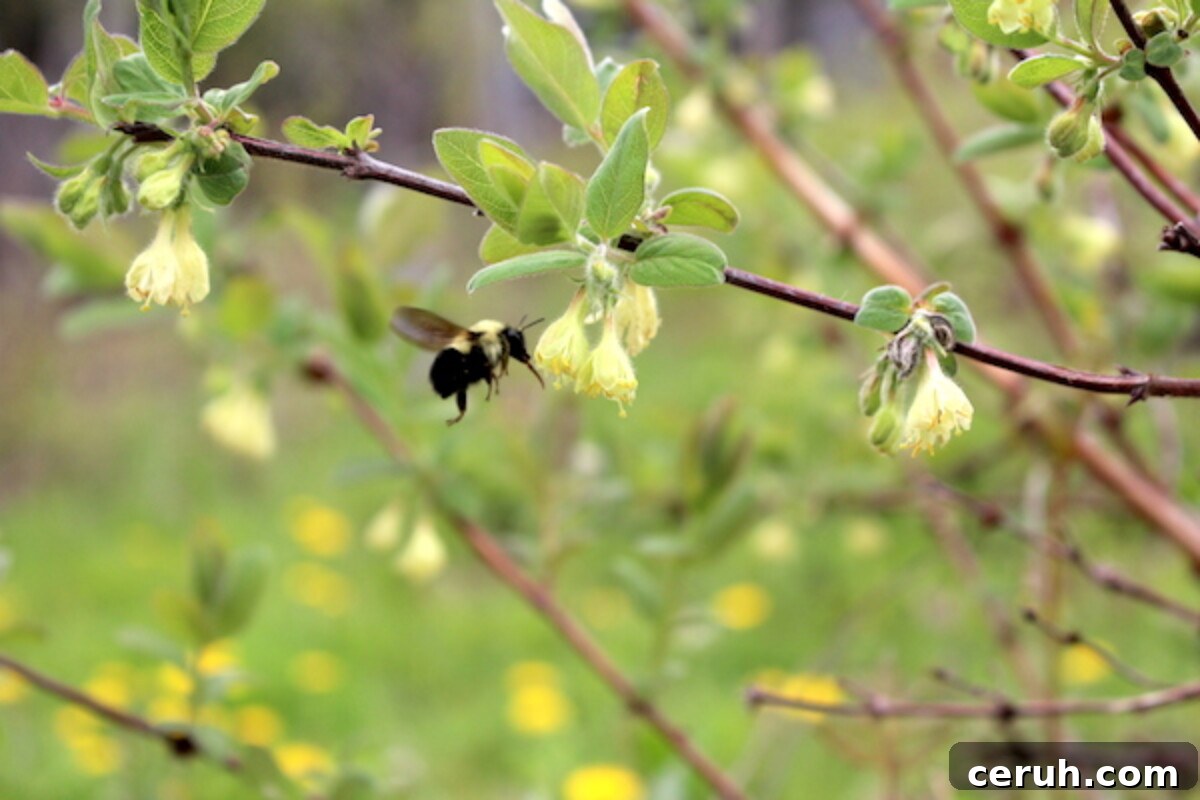
Flowering begins with small honeysuckle-like blossoms in early spring. These attractive flowers not only herald fruit but also provide important early-season nectar for native pollinators, especially bumblebees.
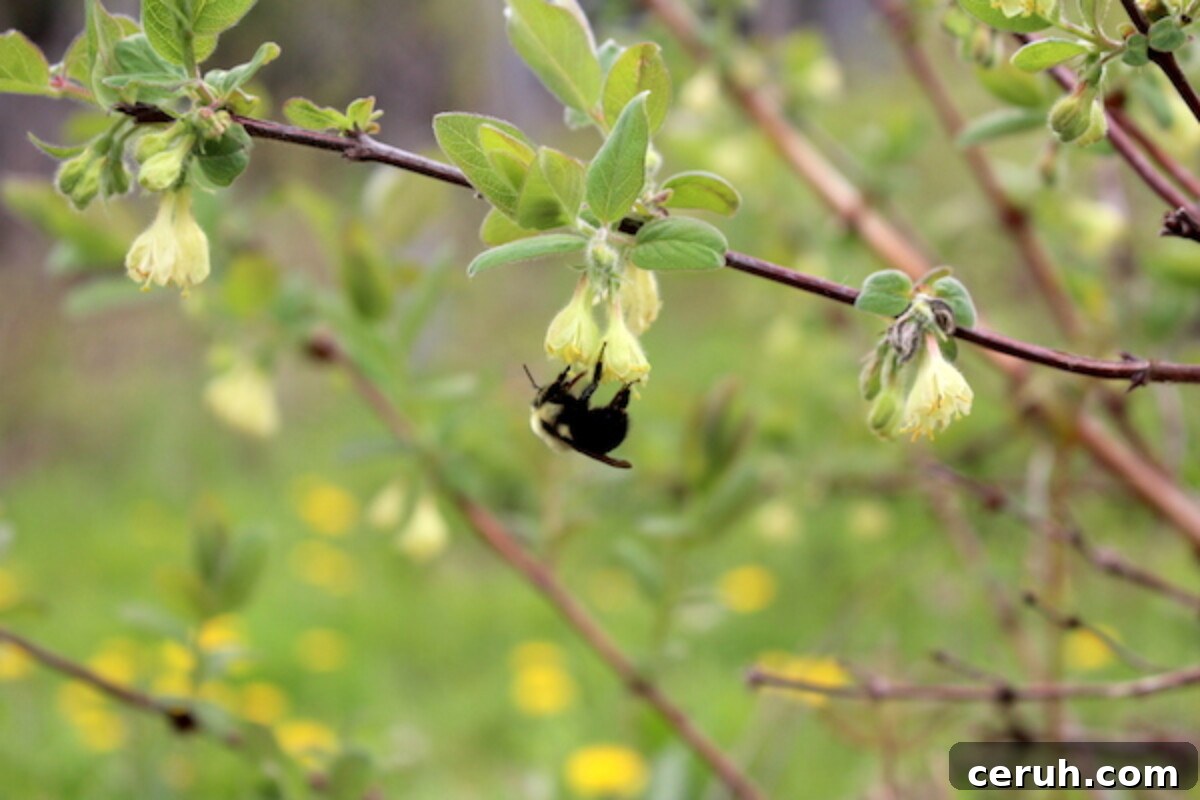
Although honeyberries bloom three to four weeks before the last frost in our area, frost damage has not been an issue. These plants evolved for harsh northern climates, and their blossoms tolerate cool snaps better than many fruit crops. While late frosts sometimes ruin our apple crop, honeyberries remain dependable.
Early fruit matters to us because our goal is year-round homegrown fruit. We already store apples through the winter, but by early spring we crave soft fruit. Since strawberries don’t ripen here until late June or July, honeyberries provide an important early-season treat.
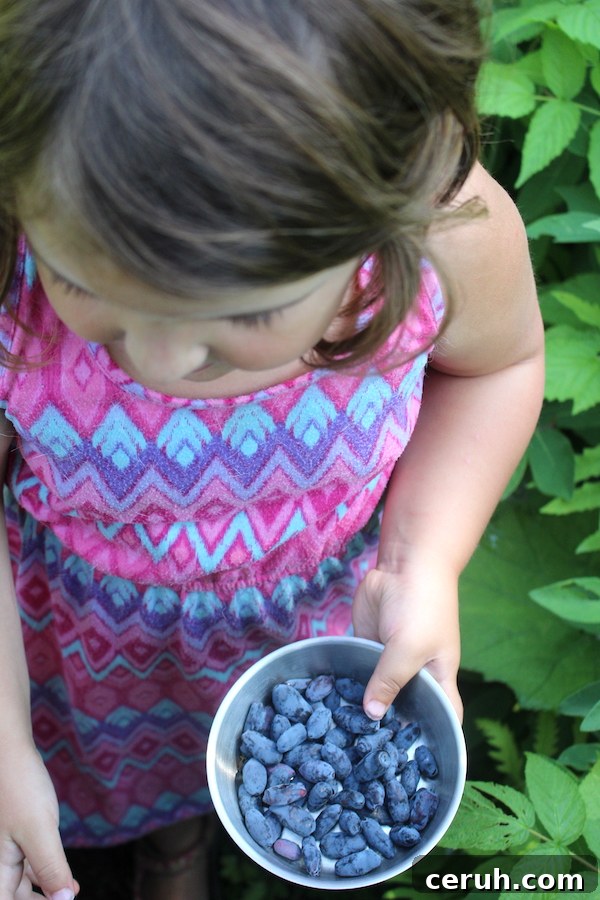
The berries can be tart, especially if picked a bit early, but that bright acidity is part of their charm and explains why they were valued historically in northern regions before modern shipping. Tart or sweet, the kids can’t resist them.
How to Grow Honeyberries
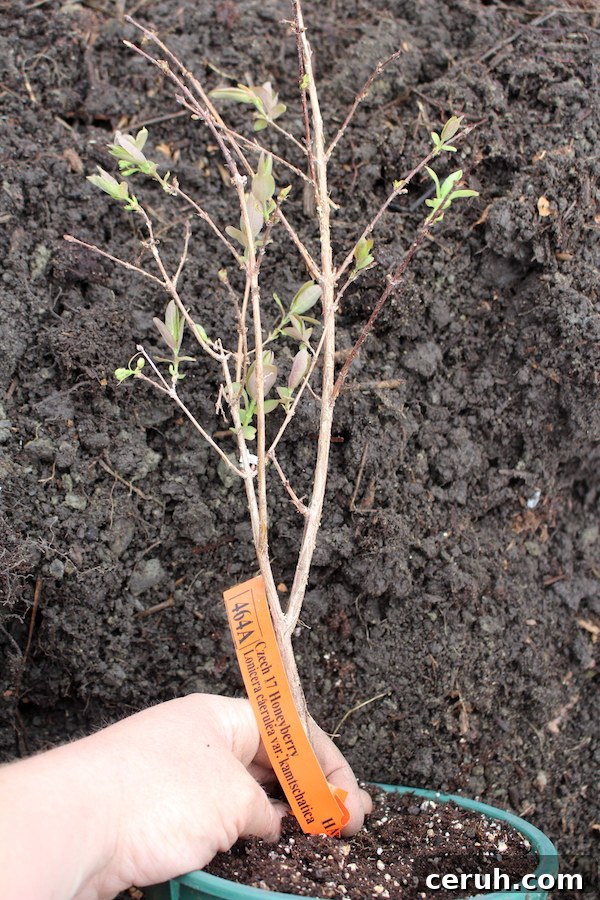
Honeyberries are usually sold as transplants propagated from cuttings and rooted in pots for one to two years before planting. While some gardeners start them from seed, most of our plants came from local nurseries or as bare-root stock ordered online.
Once established, honeyberries are low-maintenance. Below are the key growing details for haskaps.
Hardiness
Most honeyberry varieties thrive in USDA zones 2–4 and require a cold winter dormancy. Some cultivars can perform in warmer climates up to zone 8, but these plants were bred for cold regions and generally do best with a proper chill period.
Soil Type
Honeyberries are adaptable to a range of soils and tolerate heavy clay where other crops struggle. Our plants grow in about six inches of modest topsoil above dense clay. Ideally, they prefer loam with a pH near 6.5, but they are forgiving of less-than-perfect sites.
Weeding
With most roots concentrated in the top 5–7 inches, honeyberries are shallow-rooted. Avoid deep cultivation around the crown, which can damage roots. A 2-inch layer of leaf mulch around each mature bush suppresses weeds and supports a healthy root zone.
Pruning
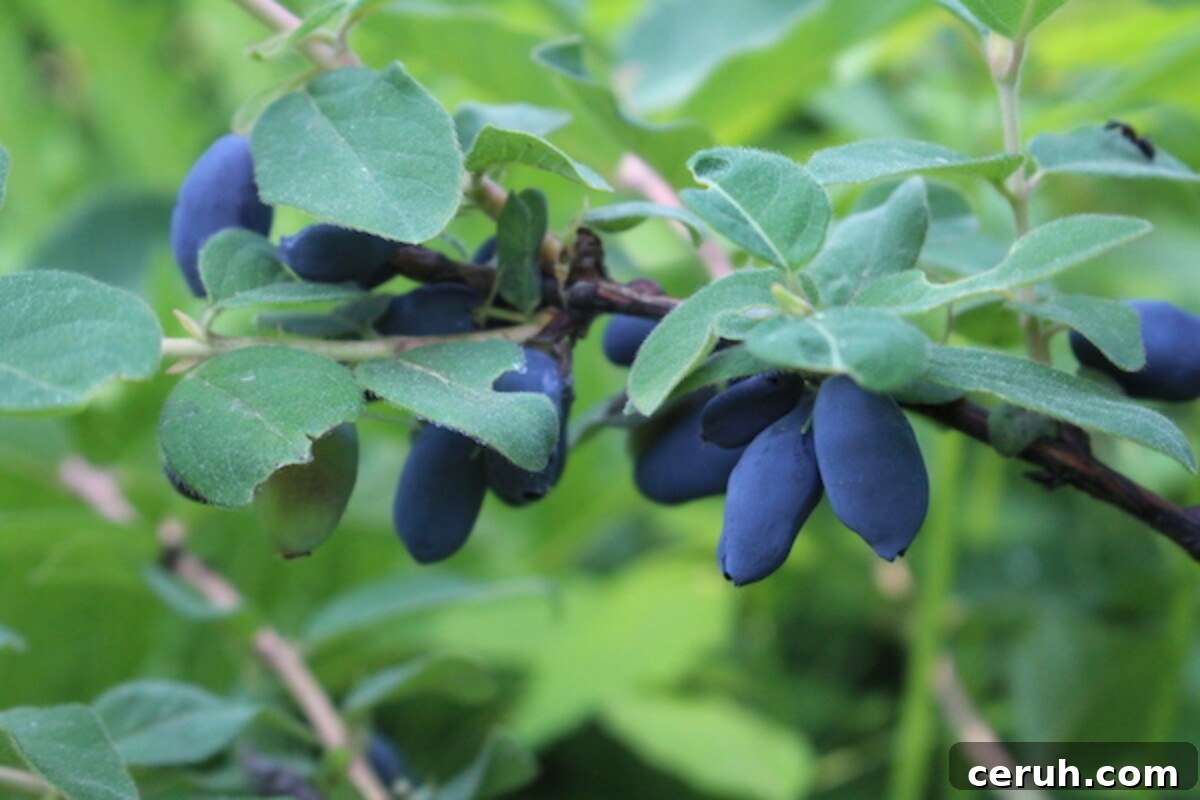
Honeyberries fruit on one-year-old wood, so the best yields come from vigorous one-year shoots. Prune during winter dormancy to remove dead or damaged wood. Allow young plants to grow freely for the first five to seven years so they can establish size—mature bushes typically range from 3 to 6 feet tall, depending on the variety.
After maturity, annual pruning to encourage new one-year wood and remove older branches helps maintain productivity. Avoid shearing branch tips, as these produce the most fruit.
Fertilizing
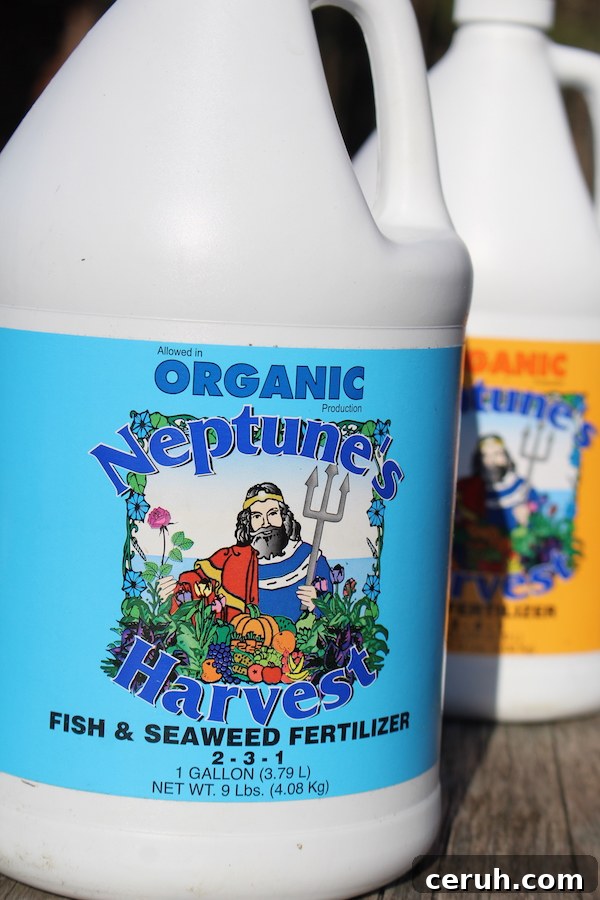
Although honeyberries grow in mediocre soils, they yield best with fertility. Apply a balanced fertilizer such as 10-10-10 in early spring or fall, or top-dress with 2 inches of well-rotted manure annually. We’ve had excellent results applying fish emulsion at bud break, which boosted fruit set and dramatically increased harvest size.
Pollination
Honeyberries require cross-pollination to set fruit, so plant at least two different cultivars. For best yields, arrange several bushes—ideally five or more—close together and include a variety of cultivars to ensure overlapping bloom times. Bees do the pollination work; the early blossoms provide vital food for native pollinators like bumblebees.
Harvesting Honeyberries
One major advantage of honeyberries is their early harvest season—about two weeks ahead of the first strawberries. Fruiting lasts two to three weeks, after which the bushes remain attractive and useful in the landscape. Some plants can start producing within a year of planting and will yield for 30 years or more with minimal care.
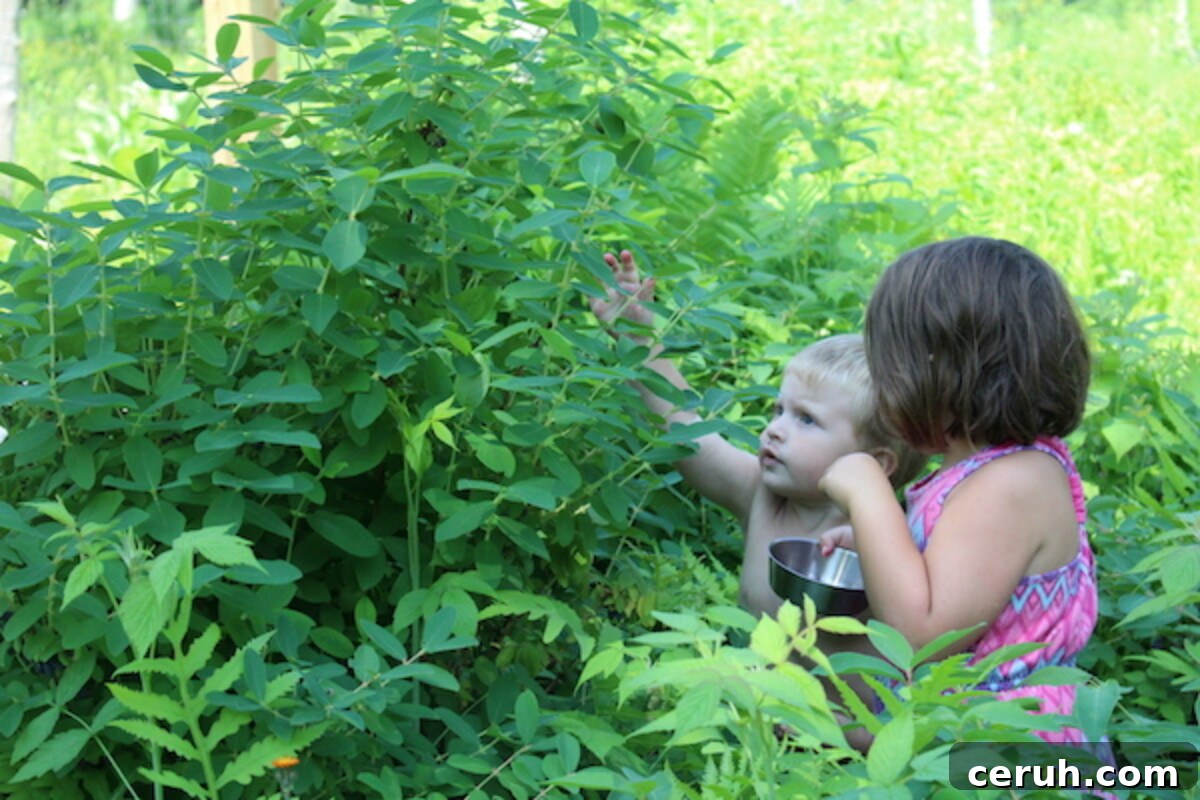
Berries are easy to pick by hand: softer than blueberries but firmer than raspberries. Harvest into a basket and use within a few days. Because they often hide beneath foliage, birds sometimes overlook them, making them especially good for little harvesters.
Honeyberry Recipes
Honeyberries substitute well for blueberries in many recipes, though their softer texture means they break down more quickly during cooking. For pies, pair them with a firmer fruit like apples or pears to prevent a runny filling. In muffins or quick breads, treat them like strawberries for a similar texture in baked goods.
Our favorite use is a simple jam: combine equal volumes of honeyberries and a firmer fruit, simmer until the mixture gels, and can as you would other preserves. Experienced jam-makers will notice the pot change as the jam nears setting—bubbles and surface sheen shift quickly when it’s ready.
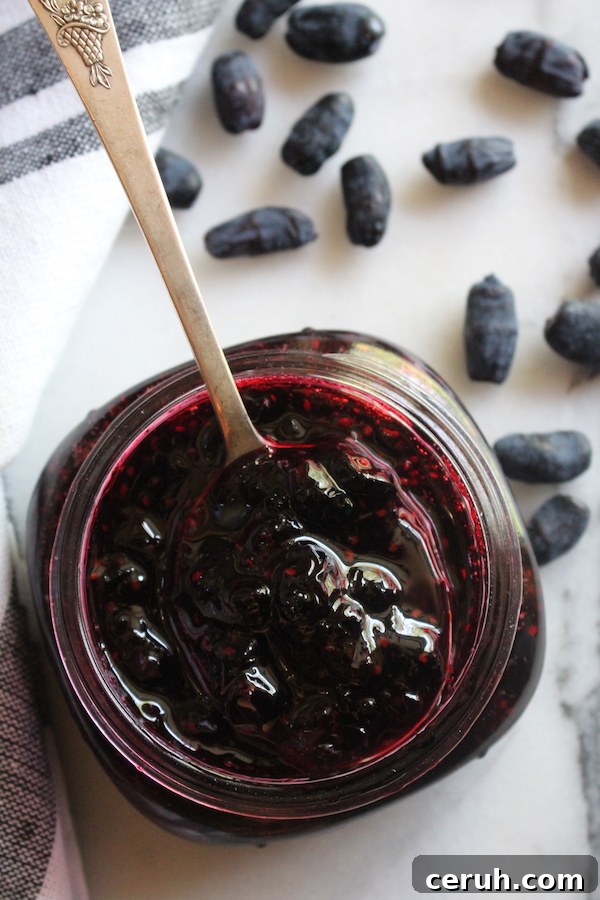
Beyond jam, honeyberries shine in shortcakes and ice cream. They require a bit more sugar than blueberries due to their tartness, but their flavor carries well in frozen desserts—honeyberry ice cream is one of our new favorites.
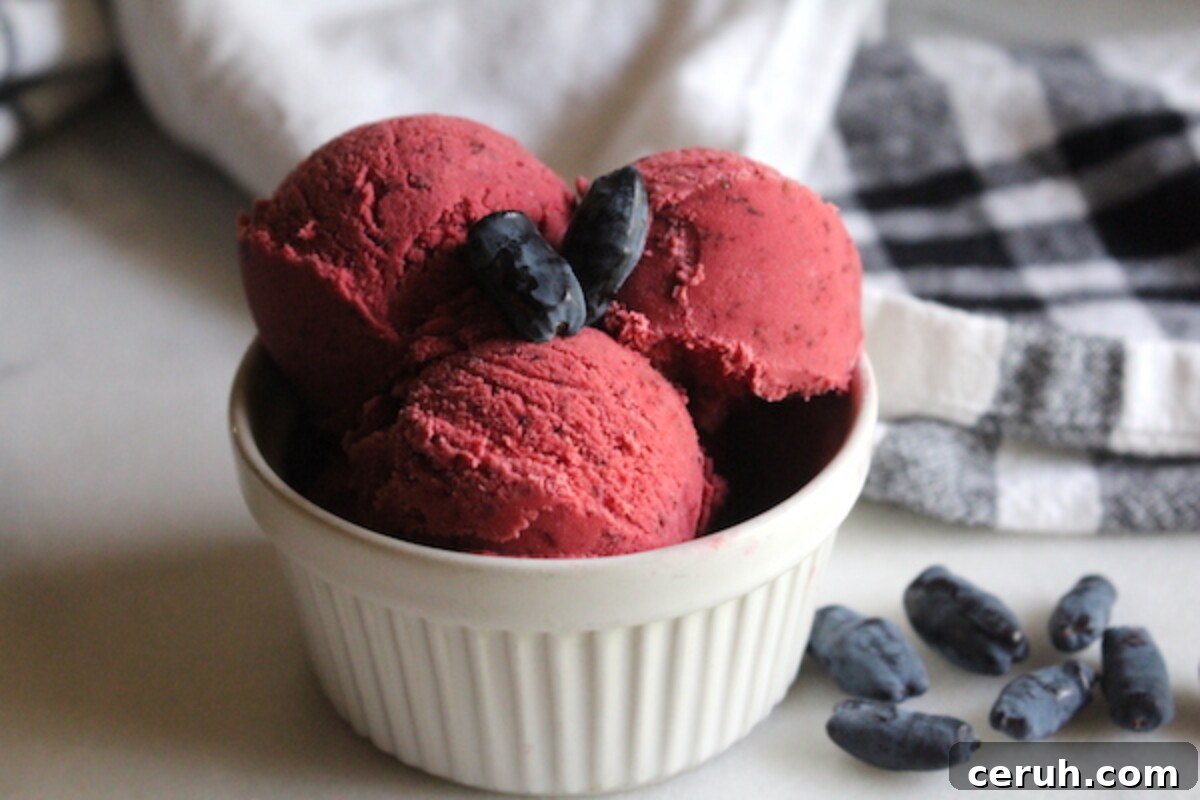
Whether you make jam, baked goods, or frozen desserts, honeyberries offer a bright, early-season flavor that’s well worth planting in cold-climate gardens. How will you use your honeyberries?