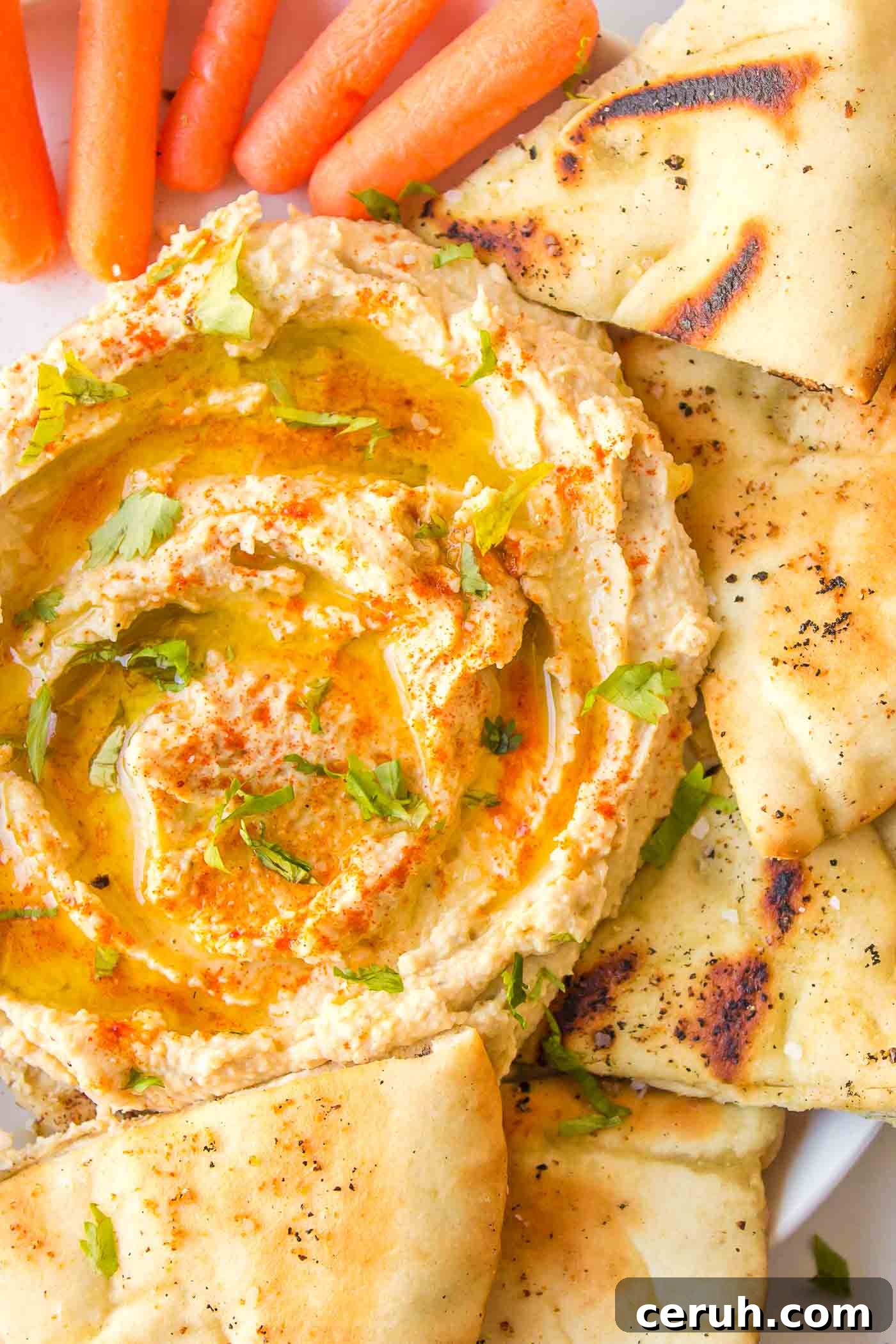
Fresh, flavorful and packed with nutrition, this roasted garlic hummus is sure to be a hit with any crowd.
Roasting the garlic transforms its sharp bite into a nutty, slightly sweet and earthy flavor. If you love garlic, this hummus is for you.
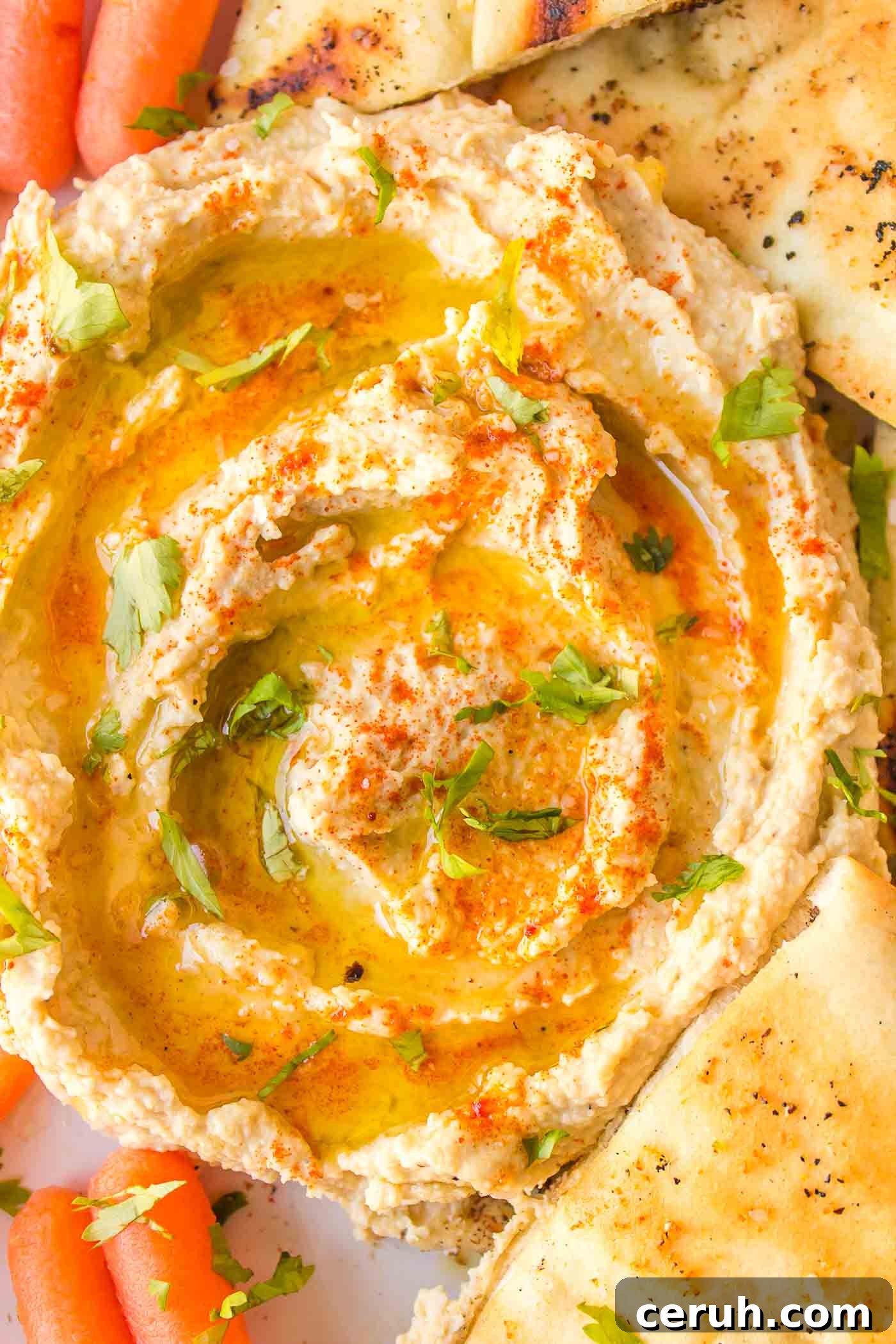
Use this roasted garlic hummus as a spread on toast or crackers, in pitas and sandwiches, or serve it as a classic appetizer alongside raw vegetables, pita and crackers.
Thanks to the mellow, rich garlic and bright lemon juice, this recipe delivers so much flavor you won’t miss store-bought hummus.
Recipe Highlights
- Only five main ingredients (plus salt and pepper).
- Budget-friendly and simple to make.
- Stores well, making it great for meal prep.
- Vegan and gluten-free.
- Good source of fiber and plant protein.
Ingredient Notes
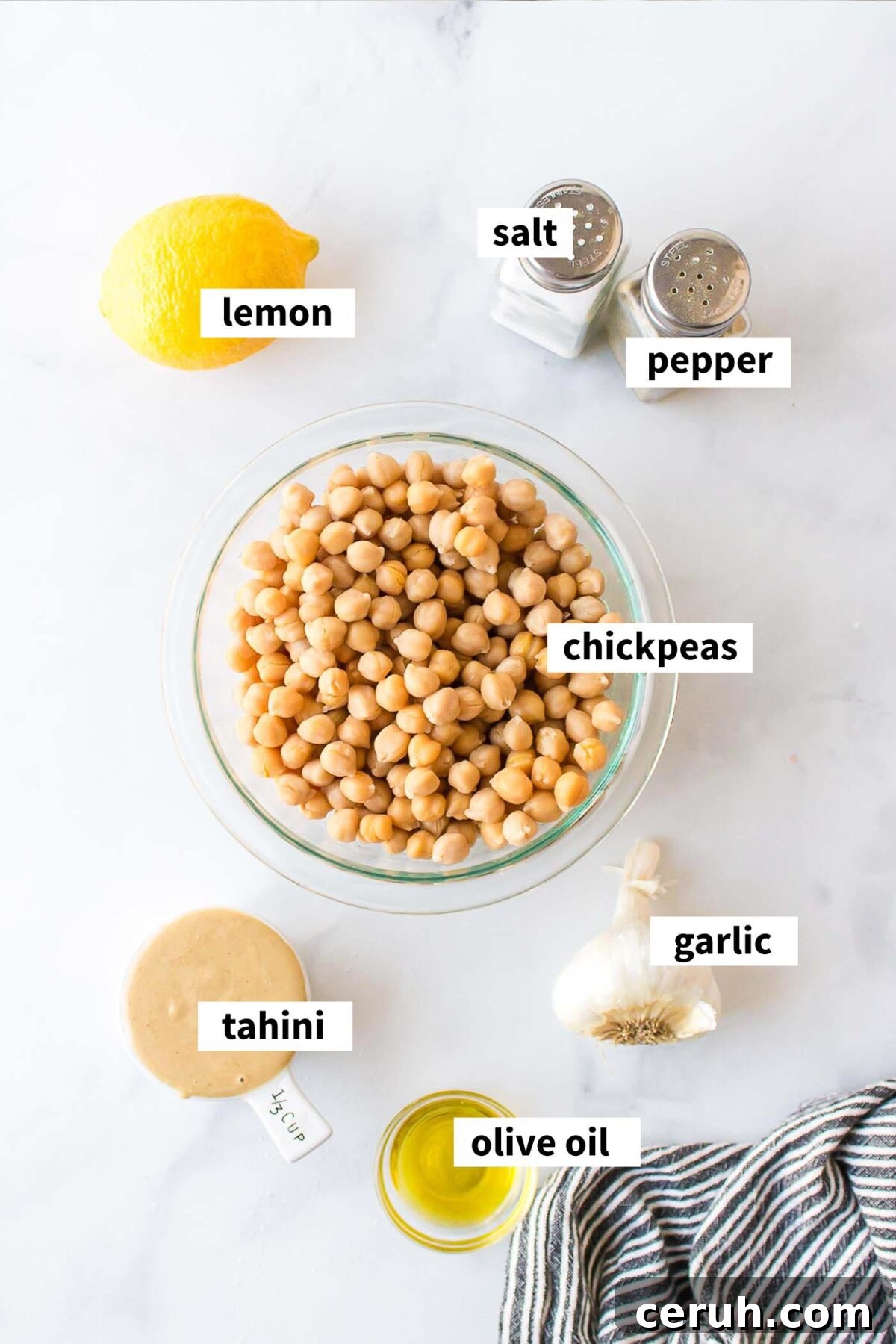
- Chickpeas: This recipe uses canned chickpeas for convenience; you can substitute cooked-from-dry chickpeas if preferred. Aim for about 3 cups of cooked chickpeas (roughly a 28–30 ounce can).
- Garlic: Roast a whole head of garlic for the best flavor; use two heads if you really love garlic. You can also skip roasting and use 3–4 cloves of fresh garlic for a sharper taste.
- Tahini: Sesame seed paste is essential for traditional hummus. Choose a tahini that’s smooth and slightly runny, with a mild, nutty flavor and no bitterness.
- Olive oil: Extra virgin olive oil helps create a creamy, satisfying texture and adds depth to the hummus.
- Salt and pepper: Season to taste; the amounts in the recipe are a guideline.
- Lemon juice: Fresh lemon juice brightens the hummus. You’ll need about 1/4 cup (from 1–2 lemons).
The full ingredient list with quantities appears in the recipe card below.
Variations
- Swap tahini for peanut butter, almond butter, cashew butter or sunflower seed butter for a different twist.
- Omit the roasted garlic for a classic hummus flavor.
- Roast extra garlic and serve whole cloves on top for garnish and extra flavor.
How to Make Roasted Garlic Hummus
Step 1: Roast the garlic.
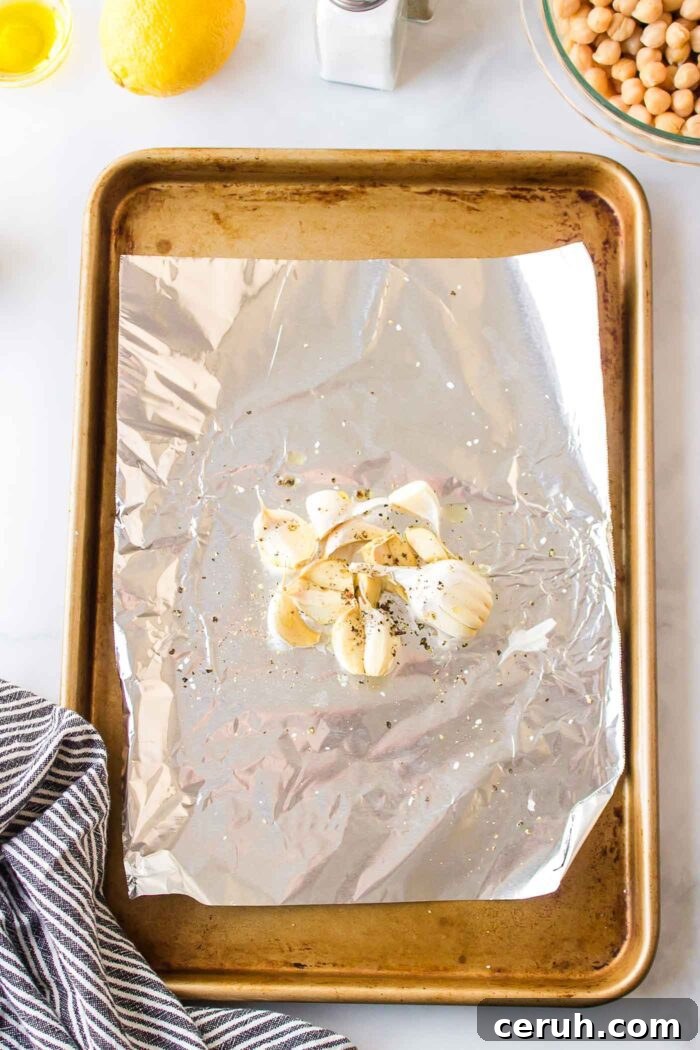
Slice the top off a head of garlic so the tips of the cloves are exposed. Place the head on a small square of foil, drizzle with 1 tablespoon olive oil and season with a pinch of salt and pepper. Wrap the garlic in foil and roast on a baking sheet at 400°F (200°C) for about 30–40 minutes, until the cloves are soft and golden. Let cool until you can handle the head.
Step 2: Boil and peel the chickpeas (optional).
Removing the skins makes an exceptionally smooth hummus, but this step is optional if you don’t mind a bit more texture.
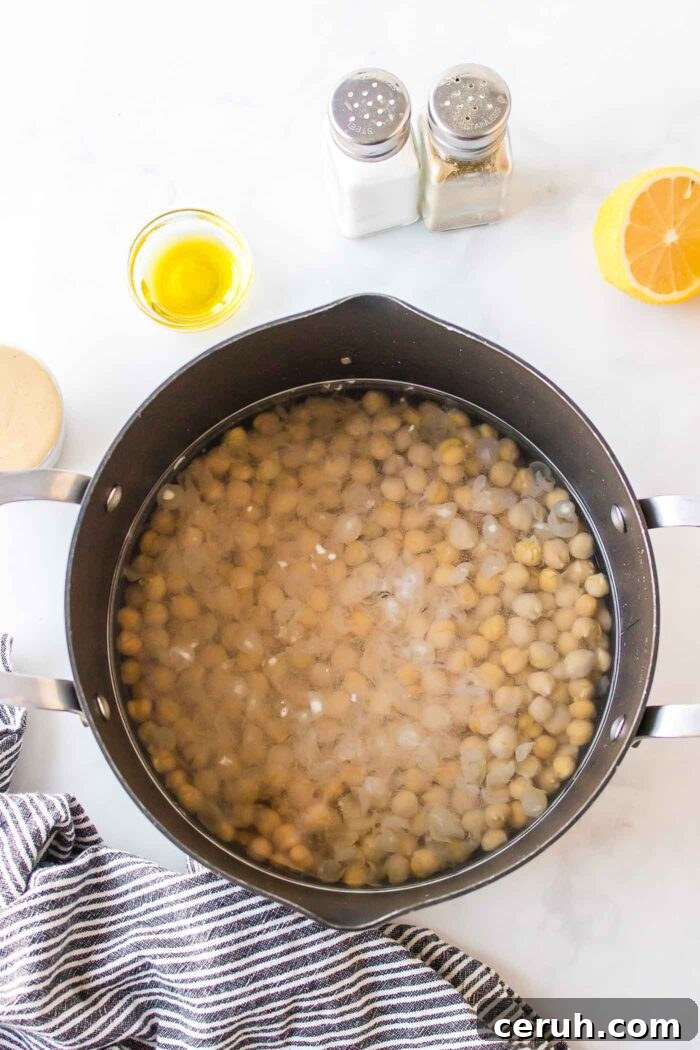
To do it: add drained, rinsed chickpeas to a pot of boiling water and simmer for 10 minutes. Reserve 1/2 cup of the cooking water before draining. Return the chickpeas to the pot, cover with cold water and rub the skins off with your hands. Drain and remove any loose skins.
Step 3: Blend the hummus
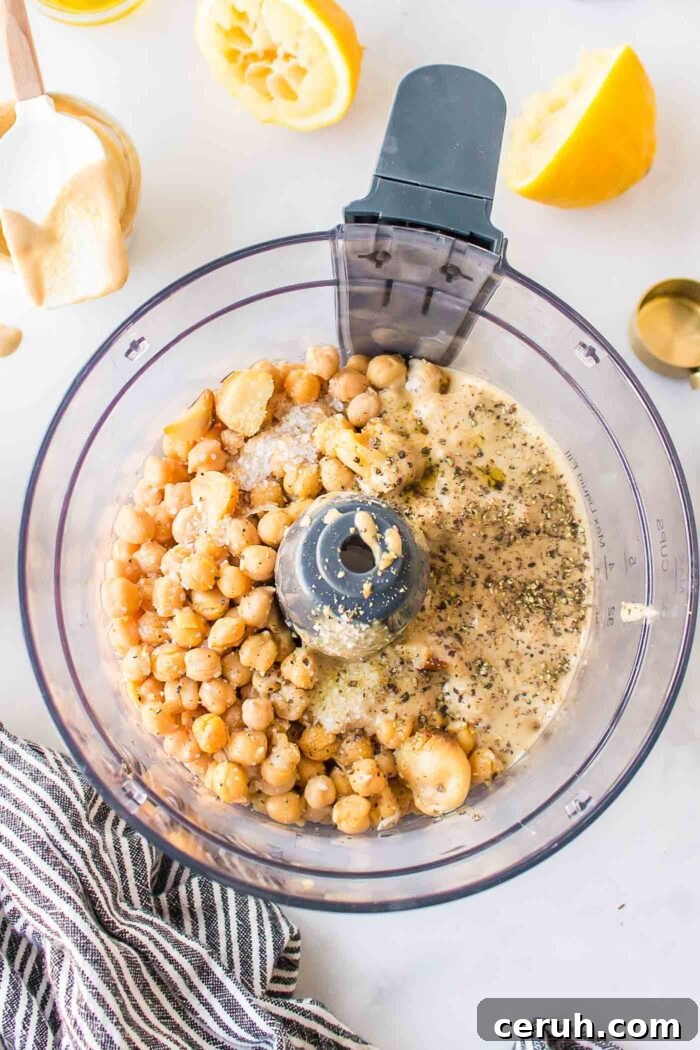
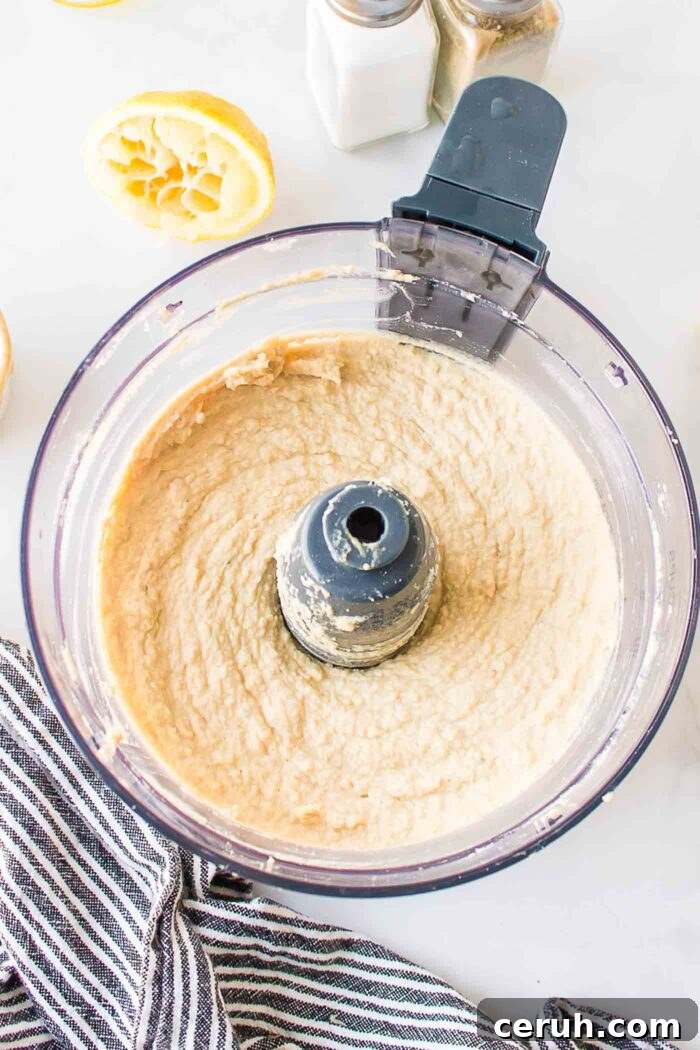
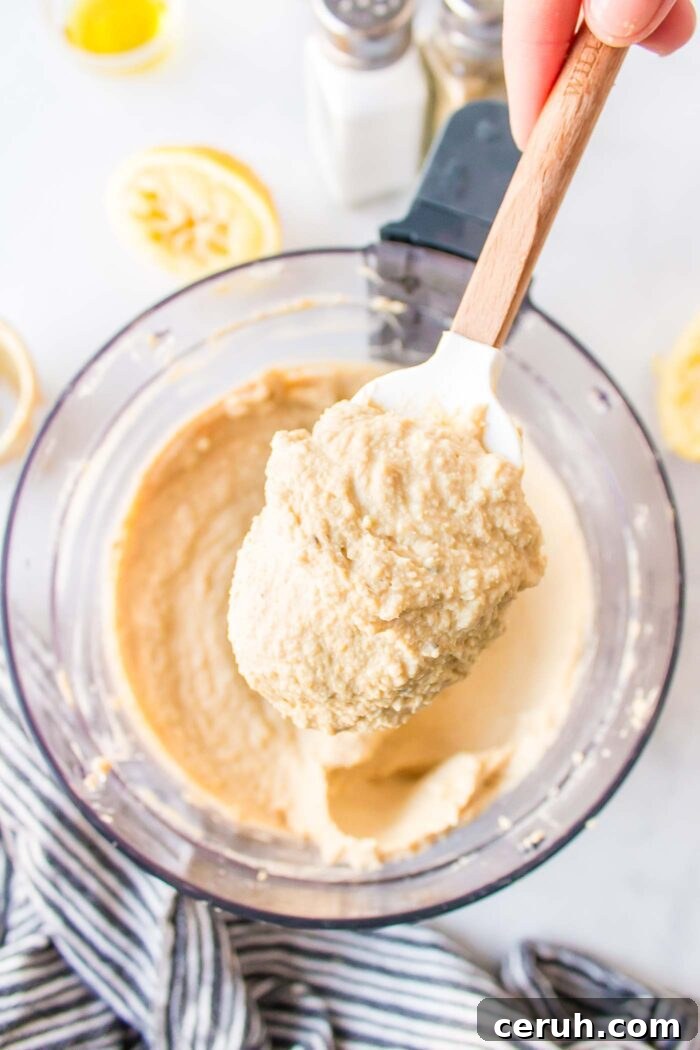
Squeeze 4–5 roasted garlic cloves (or more if you prefer) from their skins into a food processor. Add the chickpeas, tahini, lemon juice, 2 tablespoons olive oil, salt and pepper. Blend until smooth, adding reserved chickpea water a little at a time to reach your desired consistency.
Adjust seasonings to taste. For a spicy kick, add cayenne or red pepper flakes; for deeper warmth, try ground cumin or smoked paprika.
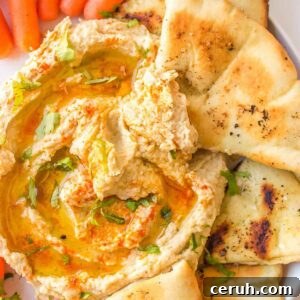
Serve the hummus with a drizzle of olive oil and a sprinkle of parsley, paprika or sumac. Pair with pita, crackers or fresh vegetables for dipping.
How to Use This Hummus
This hummus is versatile. Try it in bowls, sandwiches, wraps or as a dip. A few ideas:
- Spoon on avocado toast or spread on crackers for breakfast or a snack.
- Add a layer to wraps, sandwiches or grain bowls.
- Use as a sauce for pasta or a binder in pasta salad.
- Thin with water or lemon juice to make a quick dressing.
- Create a loaded dip by topping hummus with olives, pine nuts, chopped veggies and a drizzle of olive oil.
FAQs
Yes. Omit the olive oil used for roasting the garlic and reduce or omit oil in the hummus. Increase tahini slightly and use reserved chickpea water to reach the desired texture.
Yes. Wrap the garlic in parchment paper and then in foil, or place bulbs in a muffin tin cup and cover with another tin to roast without direct foil contact.
Both work. A food processor is easier because of its wide base; a high-speed blender can also be used but may require stopping to scrape down the sides or using a tamper.
Yes. Omit the tahini and add more olive oil for creaminess, or substitute with peanut butter, almond butter, cashew butter or sunflower seed butter.
Expert Tips
- Chickpea quantity: Can sizes vary. Use two 14–15 ounce cans or one 28–30 ounce can.
- Garlic amount: Roasted garlic mellows considerably. Use 4–5 cloves up to a full head or two if you prefer a strong garlic flavor.
- Simplify: If you want to skip peeling chickpeas, just drain, rinse and blend them. Use some can liquid, water, oil or more tahini to adjust texture.
Storing
- Store homemade hummus in an airtight container in the refrigerator for up to one week.
- Freeze hummus for up to three months. Thaw overnight in the fridge and stir well before serving; note the texture may change slightly after freezing.
More Dip Recipes
If you enjoy this roasted garlic hummus, other dips to try include beet hummus, roasted red pepper hummus, edamame hummus, vegan buffalo dip and vegan spinach artichoke dip.
Roasted Garlic Hummus
Ingredients
For the Hummus
- 28 ounces canned chickpeas, drained and rinsed
- 1 head of garlic
- ⅓ cup tahini, 80 g
- 3 tablespoons olive oil, divided (45 mL)
- 1-2 teaspoons salt
- 1-2 teaspoons black pepper
- ¼ cup lemon juice, 60 mL
For Serving
- Olive oil
- Fresh parsley
- Paprika
- Fresh pita
Instructions
-
Roast the Garlic: Preheat the oven to 400°F (200°C). Slice the top off the garlic head to expose the cloves. Place on a small square of foil, drizzle with 1 tablespoon olive oil, ¼ teaspoon salt and ¼ teaspoon black pepper. Wrap in foil and roast on a baking sheet for 30–40 minutes. Remove and cool until manageable.
-
Prepare the Chickpeas: While the garlic roasts, add the drained and rinsed chickpeas to a pot of boiling water and simmer for 10 minutes. Reserve ½ cup of the chickpea water, then drain. Return chickpeas to the pot, cover with cold water and rub the skins away with your hands. Drain and discard loose skins as needed.
-
Blend the Hummus: Add chickpeas to a food processor. Squeeze 4–5 roasted garlic cloves into the processor (adjust to taste). Add 2 teaspoons salt, 1 teaspoon black pepper, lemon juice, 2 tablespoons olive oil and the tahini. Blend while adding reserved chickpea water gradually until you reach the desired consistency.
-
Finish by drizzling olive oil on top and sprinkling with paprika and finely chopped parsley. Serve with pita and fresh vegetables.
Notes
Garlic: Use 4–5 cloves up to a full head or two heads if you prefer a stronger, sweeter roasted garlic flavor.
Nutrition
This recipe was originally published March 2013.