Grilling is more than a method—it’s a craft. For Weber grill enthusiasts, getting the best results requires more than flipping burgers or searing steaks. It demands control of heat, thoughtful use of smoke, and intentional flavor building. Whether you already grill regularly or want to raise your barbecue game, the techniques below will help you produce superior meats that consistently impress.
Three-Zone Fire
One fundamental principle of advanced grilling is creating distinct heat zones. Weber grills are versatile and make it easy to establish different cooking areas so you can manage multiple cuts at once. Beyond simple direct and indirect grilling, try a Three-Zone Fire.
For Three-Zone cooking, arrange coals so one side provides high heat, the center medium heat, and the opposite side has no coals to serve as a cool zone. This layout gives you more control over cooking stages, is ideal for reverse searing, and lets you adapt quickly to different cuts and thicknesses.
Mastering Smoke
Smoke is the heart of barbecue—used well, it turns good meat into something memorable. Choosing the right wood, managing how long you smoke, and controlling smoke intensity are all essential to avoid bitter or overpowering flavors.
Wood Selection
Different woods produce different notes. Fruitwoods like apple and cherry offer a mild, slightly sweet smoke that complements poultry and pork. Hardwoods such as oak and hickory deliver a stronger, more robust flavor that pairs well with beef and game. Try blending woods to develop a signature profile that suits your tastes.
Soaking Wood Chips
There’s debate about soaking wood chips, but many pitmasters prefer soaked chips because they smolder longer and produce sustained smoke. Drop soaked chips directly on coals or use a smoker box for gas grills. For deeper smoke and longer burn times, opt for wood chunks instead of chips.
Controlling Smoke Levels
Aim for a thin, blue smoke rather than thick, white plumes. Too much smoke yields harsh flavors. Maintain good airflow and a hot, clean fire, and use your Weber’s vents to fine-tune oxygen flow so smoke remains clear and steady.
Advanced Meat Preparation Techniques
Great grilling starts before the meat touches the grates. Effective prep—salting, infusing, and trimming—affects texture and flavor throughout the cut.
Dry Brining
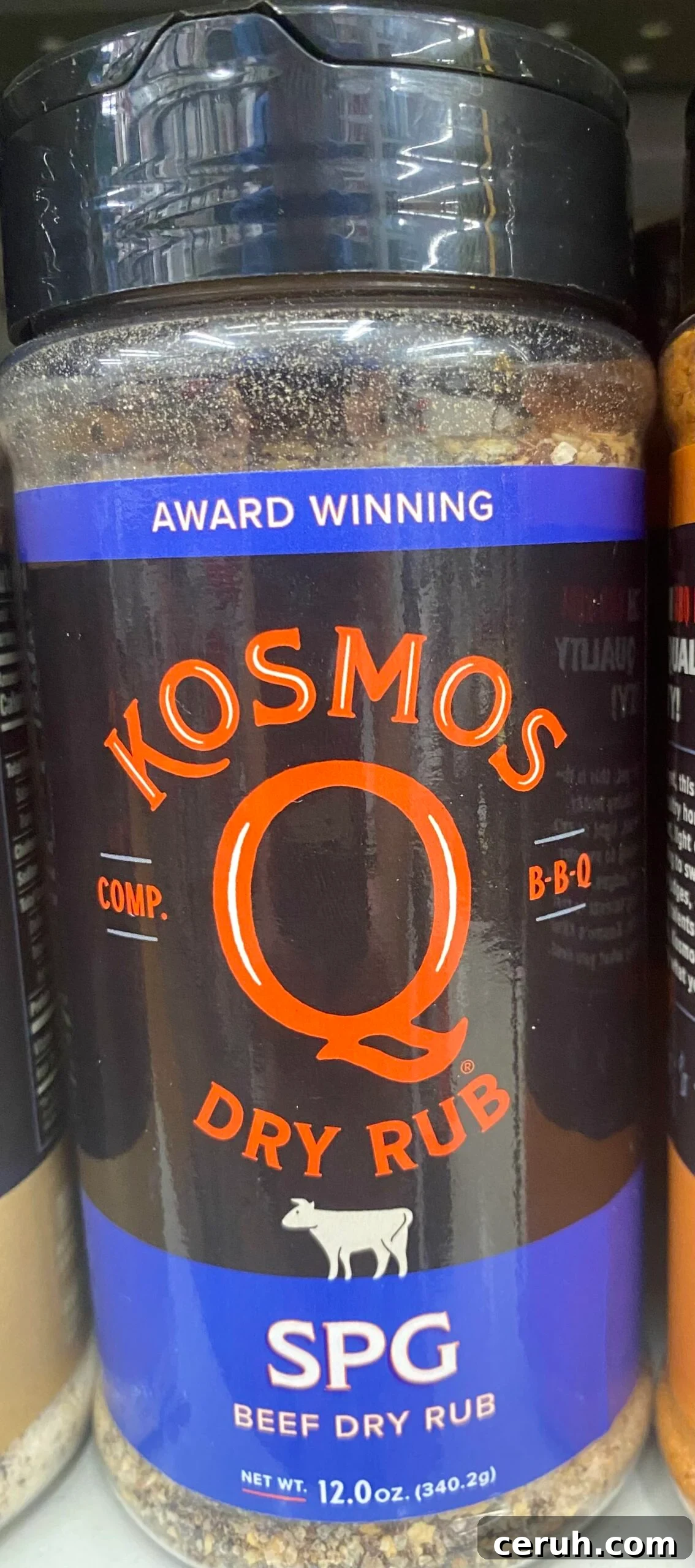
Dry brining is simple and powerful: rub the meat with salt and let it rest uncovered in the refrigerator for several hours or overnight. Salt draws juices to the surface and then redistributes them, improving flavor and juiciness. Add herbs and spices to the salt for extra complexity.
Injecting Flavors
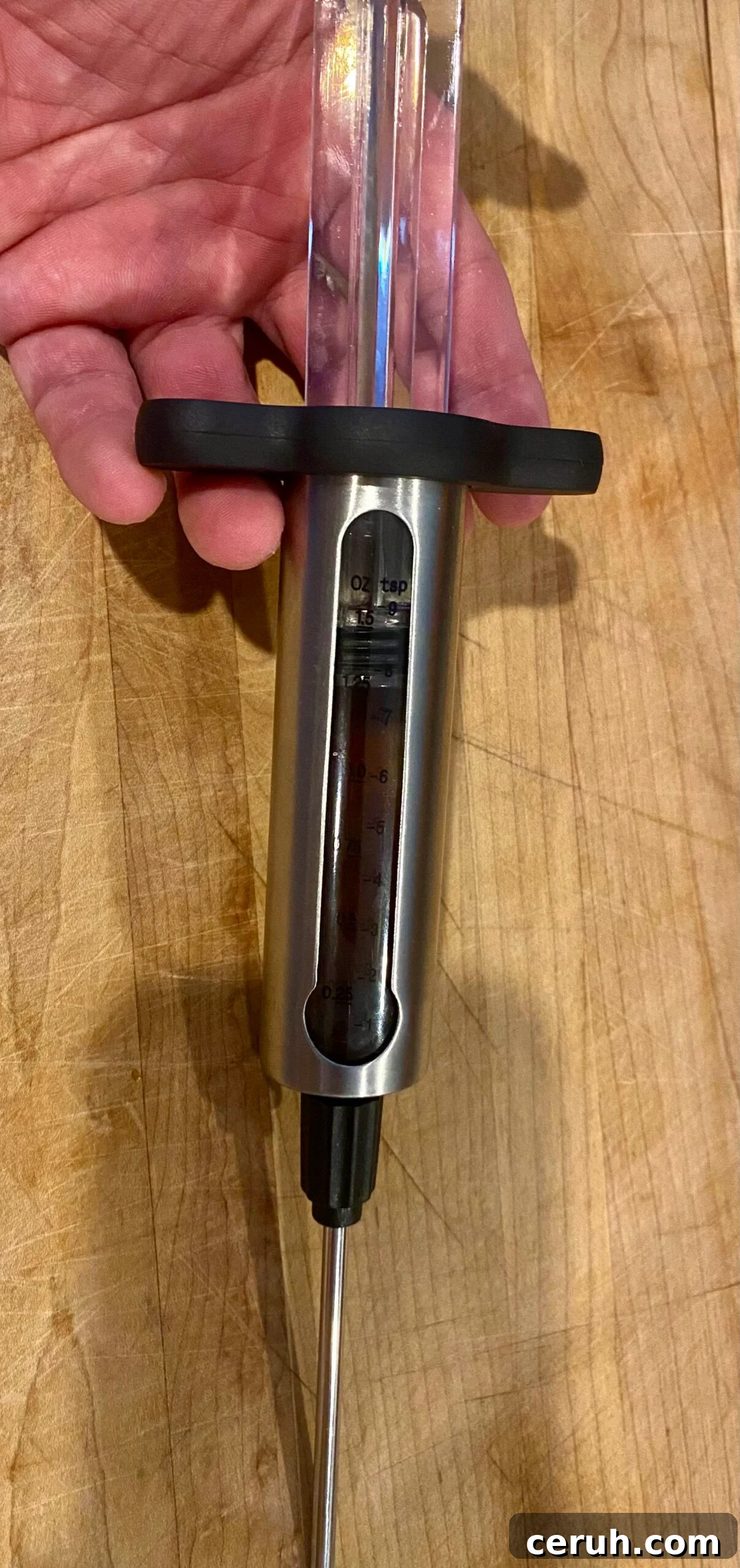
For larger roasts, use a meat injector to deliver flavor and moisture deep into the muscle. A combination of warmed broth, melted butter, and seasonings ensures consistent flavor and juiciness in every bite.
Advanced Grilling Techniques
The Two-Stage Cook
The two-stage cook—slow and low followed by high heat—is a reliable way to achieve tender interior texture with a well-developed crust. Cook the meat slowly until nearly done, then finish over high heat for a few minutes to caramelize and create a flavorful sear. This method works well for ribs, roasts, and large steaks.
Spatchcocking Poultry
Spatchcocking, or butterflying, removes the backbone so you can flatten the bird. The result is more even cooking, shorter grill time, and more crisp skin surface. Season thoroughly and cook primarily over indirect heat, finishing briefly over direct heat to crisp and caramelize the skin.
Flavor Enhancements
Smoke Bombs
To intensify smoke without over-smoking, make smoke bombs: wrap soaked wood chips in foil, pierce holes in the packet, and place it on the coals or over a gas burner. This approach delivers concentrated, controlled bursts of smoke for deeper flavor.
Flavorful Basting
Basting keeps meat moist while adding layers of flavor. For richness, baste with melted butter blended with herbs and garlic. For tang, use a vinegar-based mop. Apply every 15–20 minutes during longer cooks for the best results.
Finishing Sauces
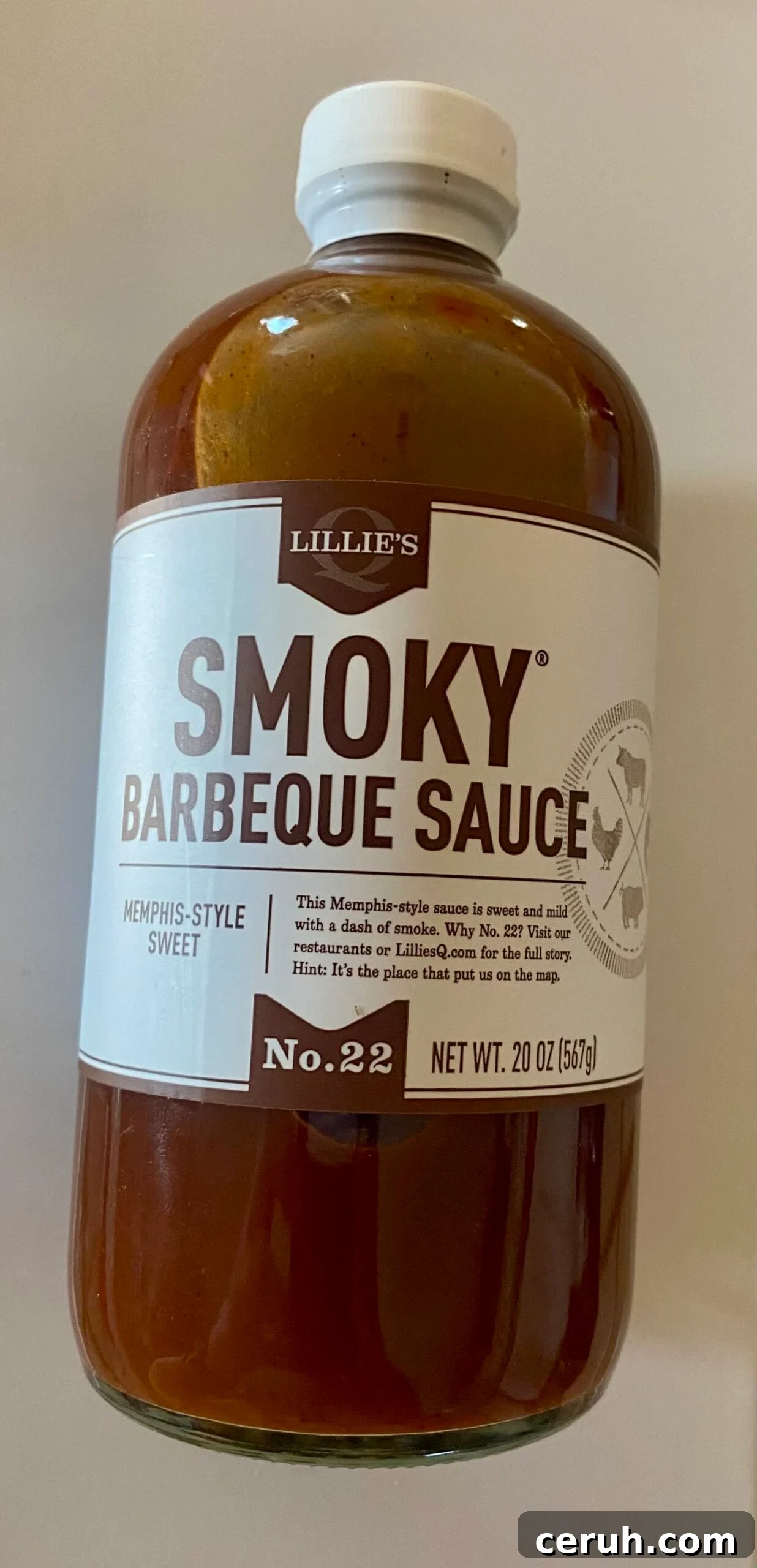
A finishing sauce can elevate the final dish. Brush barbecue sauce in the last minutes of cooking to form a sticky, caramelized glaze. For a refined finish, use a reduction of balsamic vinegar, honey, and fresh herbs to add brightness and balance.
Bonus Pro Tip
Two often-overlooked factors are grill placement and weather. Wind affects heat distribution and fuel use, so place your grill in a sheltered spot while maintaining adequate ventilation to avoid smoke buildup. Consider sun, ambient temperature, and nearby surfaces when choosing your grilling location to ensure consistent performance and safety.
Mastering advanced techniques on a Weber takes practice, experimentation, and attention to how heat, smoke, and seasonings interact. Use these strategies to refine your process, keep learning from each cook, and enjoy the results. With patience and practice, you’ll consistently produce grilled meats that impress friends and family.