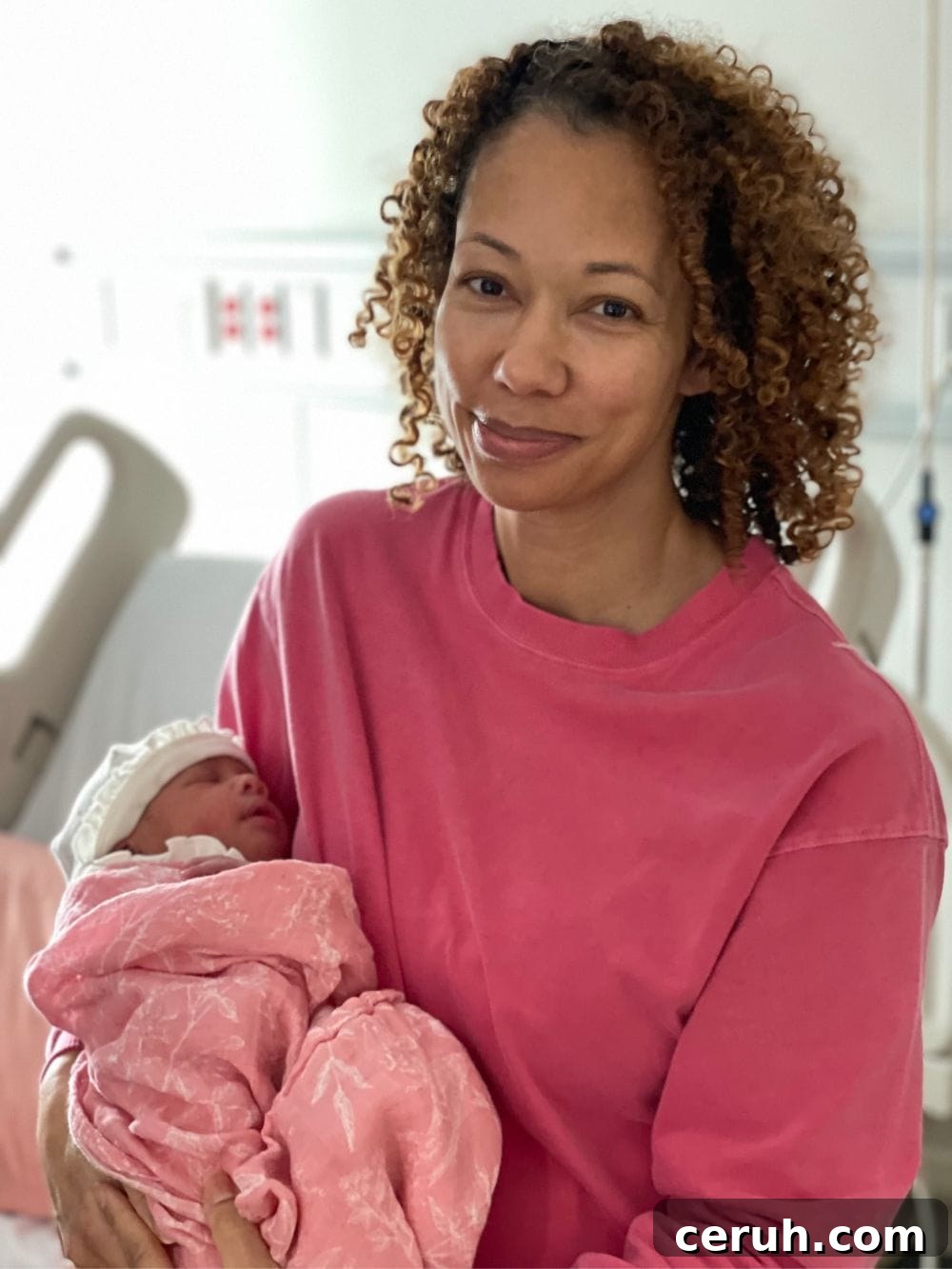
Conquering the fear of C-sections felt overwhelming at first — it was a fear I never expected to face. Bringing a child into the world is a deeply anticipated journey, but for many pregnant people the thought of a cesarean section can trigger anxiety. While concerns about any medical procedure are natural, it helps to know that C-sections are commonly performed, generally safe, and sometimes the best option for the health of both mother and baby.
In this post I share the story of my first baby and how we arrived at a cesarean birth. I’ll also describe practical steps I used to manage my fear and build confidence, so other expectant mothers can feel informed and empowered.
JOURNEY TO MOTHERHOOD
My path to motherhood included unexpected turns. In an earlier post about becoming pregnant at 44, I described conceiving after the heartbreak of a miscarriage. The joy of expecting again was profound, and despite being labeled high-risk because of my age, I tried to stay positive and embrace the pregnancy.
After the first trimester’s seasickness and extreme fatigue subsided, a calm confidence settled in as I accepted that I would become a mother. I kept a modified version of my regular exercise routine and focused on eating as healthfully as possible, even while dealing with pregnancy-related food aversions. Staying active and attentive to my body helped me feel connected and prepared through the months leading up to delivery.
BREECH POSITION
Around 27 weeks, an ultrasound revealed our baby was in a breech position. The technician reassured me there was time for her to turn, and for a while I hoped she would. As weeks passed she remained comfortable in that position. By 35 weeks my high-risk physician explained that a C-section was increasingly likely and that I would need to choose whether to attempt an external cephalic version (ECV) or schedule a cesarean.
ECV DECISION
My care team explained that an ECV is an attempt to turn the baby externally. I researched its effectiveness and risks: it’s a medical procedure performed in a hospital setting and can, in rare cases, trigger labor that leads to an emergency C-section. After weighing the risks and praying about the decision, I trusted that the goal was a healthy delivery for both baby and mother. For my peace of mind I chose to plan a scheduled C-section.
MAKING A DECISION
I scheduled a planned C-section with my OB for March 4th, which happened to be my due date. Accepting that my original birth plan would change required grief — I had envisioned a different experience and had to let go of that image. Ultimately, my priority was a safe delivery, even if it meant a major abdominal operation and a recovery period I hadn’t initially pictured.
CONQUERING FEAR OF C-SECTIONS
Realizing a C-section is major surgery brought fear into sharper focus. I had little surgical experience, so I took deliberate steps to feel more prepared and less anxious. Below are the key strategies I used to manage fear and build confidence.
Here are the areas I focused on as I prepared for my C-section:
Educate Yourself
Fear often comes from not knowing what to expect. Learn the reasons C-sections are performed, the steps of the procedure, and typical recovery timelines. Attend prenatal classes, read reputable resources, and ask your provider specific questions. Understanding the process helps dispel myths and supports informed decisions about your birth plan.
Seek Support
Emotional support is crucial. I connected with mothers who had C-sections, listened to their stories, and asked friends about their experiences. Online forums and local support groups are good places to share concerns and learn from others. If anxiety is significant, consider a therapist who specializes in prenatal care to develop coping strategies. You don’t have to face this alone.
Communicate with your Healthcare Provider
Open communication with your provider matters. Share your fears and ask about anesthesia, pain management, recovery expectations, and possible alternatives. Knowing the reasons behind recommendations and feeling heard helps reduce anxiety and increases trust in the care team.
Visualize a Positive Experience
Visualization and relaxation techniques helped me reframe fear. I practiced guided imagery, deep breathing, and meditations focused on a calm, successful birth. Imagining a smooth procedure and a healthy baby made the outcome feel more attainable and reduced anxiety in the days before surgery.
Plan Ahead
Preparing practical details eases stress during recovery. Create a birth plan that includes pain management and post-surgery bonding preferences, and review it with your provider. Arrange help for the first weeks, prepare freezer meals, and plan how daily tasks will be handled while you heal. Realistic recovery often spans several weeks, so practical preparation matters.
Embrace the Team
A C-section involves a coordinated medical team: the obstetrician, anesthesiologist, nurses, and pediatric staff. Learning the roles and expertise of each person helped me trust the process. Knowing a skilled team was focused on our safety offered reassurance during both the procedure and recovery.
DURING MY C-SECTION PROCEDURE
Because I prepared ahead of time, the operating room experience felt familiar rather than frightening. The anesthesiologist and delivery nurses explained each step, and the anesthesiologist assistant stayed near my head to monitor me and update my husband. When sensations of pulling and pressure began, she counted down and coached me on breathing through those moments. She also told my husband when he could stand to take photos as our daughter entered the world.
After the pediatric team checked our daughter and helped regulate her temperature, they brought her to me for skin-to-skin contact before I was moved to recovery. Those first moments together were the most important outcome — our baby was healthy and safe.
FEELING EMPOWERED
Managing fear around C-sections is possible with preparation, support, and a positive mindset. Educating yourself, seeking emotional and professional support, communicating openly with your care team, and planning ahead all help build confidence. Ultimately, the primary goal is the safe arrival of a healthy baby. With the right preparation, you can embrace the birth experience and focus on the joy of meeting your child.
I continue to share my motherhood journey and practical tips, including meal prep and recovery strategies. Follow along on my social channels to read more about postpartum life, recipes, and reflections from my experience.