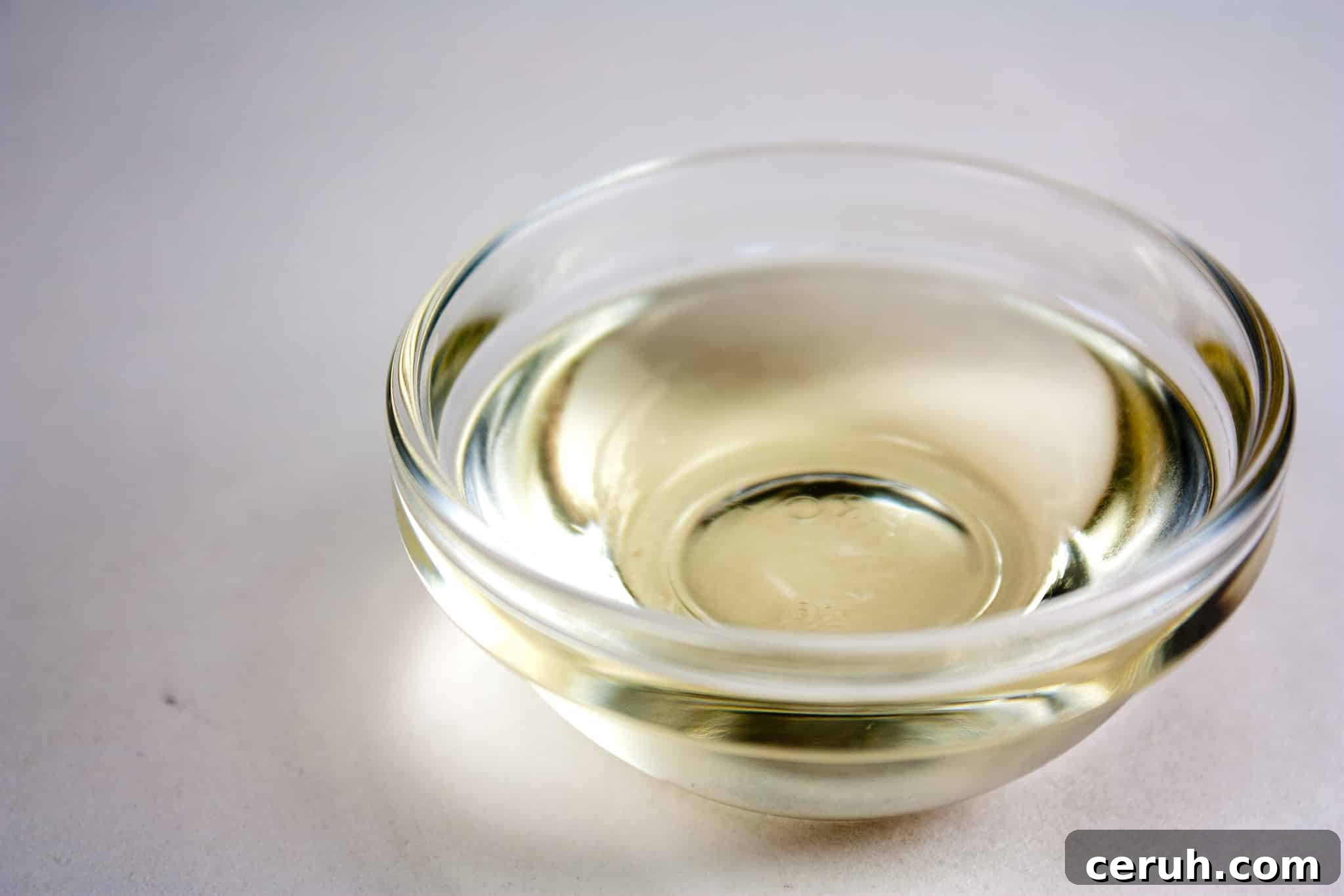
MCT oil, derived from coconut oil, is a concentrated source of medium-chain triglycerides that the body can use quickly for energy. Many people report improved mental clarity and better focus after adding MCT oil to their routine because the body converts these fats into readily available fuel rather than storing them. Research indicates MCTs can modestly increase metabolic rate and calorie burning at rest, which may support weight management. Athletes sometimes use MCT oil to help sustain energy during longer or more intense workouts. If you want a natural, fast-acting energy source that may also support fat metabolism and cognitive performance, MCT oil is worth considering. Below we cover storage, signs of spoilage, and simple tips to keep your oil fresh.
MCT oil is a type of saturated fat and can become solid or cloudy at cooler room temperatures, depending on its composition.
Proper storage protects MCT oil from heat, light, and air exposure, which can accelerate deterioration. If you purchased MCT oil some time ago and have kept it sealed in a cool, dark spot, there’s a good chance it’s still fine to use. However, you should check for indicators of spoilage before using an older bottle.
How long does MCT Oil last?
Shelf life varies by brand and processing method. High-quality, properly processed MCT oil typically lasts at least 12–24 months unopened. Once opened, its useful life depends on how it’s stored and handled. To maximize freshness, buy from reputable manufacturers and check production or best-by dates. When purchasing online, note the manufacture date and shipping date so you can estimate how long the product has been in transit or storage before it reaches you.
Does MCT Oil need to be refrigerated?
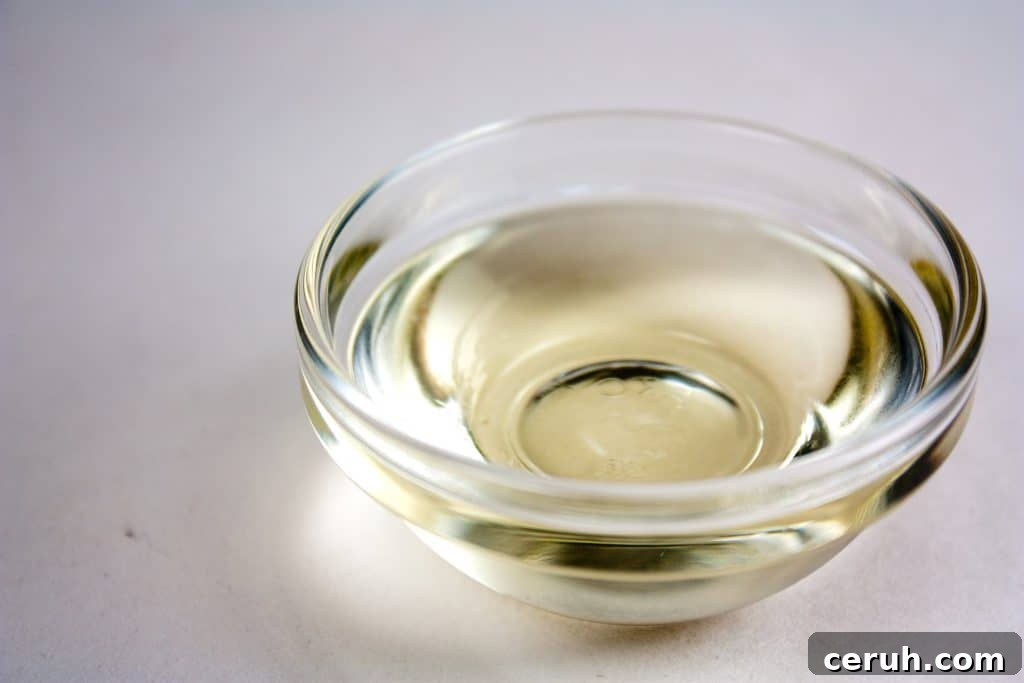
Refrigeration is not required. MCT oil is stable at room temperature when stored correctly. Keep the bottle in a cool, dark place away from direct sunlight, heat sources, and moisture. Refrigeration may cause cloudiness or slight thickening but won’t harm the oil; simply bring it back to room temperature before use if it solidifies.
How can you tell if MCT Oil has gone bad?
Signs of deterioration include an off or unpleasant odor, noticeable discoloration (darker than the normal pale yellow), and changes in texture, such as increased thickness or cloudiness that do not reverse with warming. Taste may also turn stale or bitter. If you detect any of these changes, it’s safer to discard the oil.
What are the consequences of consuming MCT Oil that has gone bad?
Consuming rancid oils can cause digestive upset such as nausea, vomiting, stomach cramps, or diarrhea. Some people may experience headaches, dizziness, fatigue, or skin irritation. While most reactions are short-lived and related to food spoilage, anyone who feels seriously unwell after consuming a spoiled product should seek medical advice.
Is it safe to consume MCT Oil that has gone bad?
It’s best not to consume oil that shows signs of spoilage. If you accidentally ingest a small amount and feel fine afterward, there is usually no cause for alarm, but you should stop using the remainder of the bottle. If you experience persistent or severe symptoms, contact a healthcare professional.
How can MCT Oil be stored to prolong its shelf life?
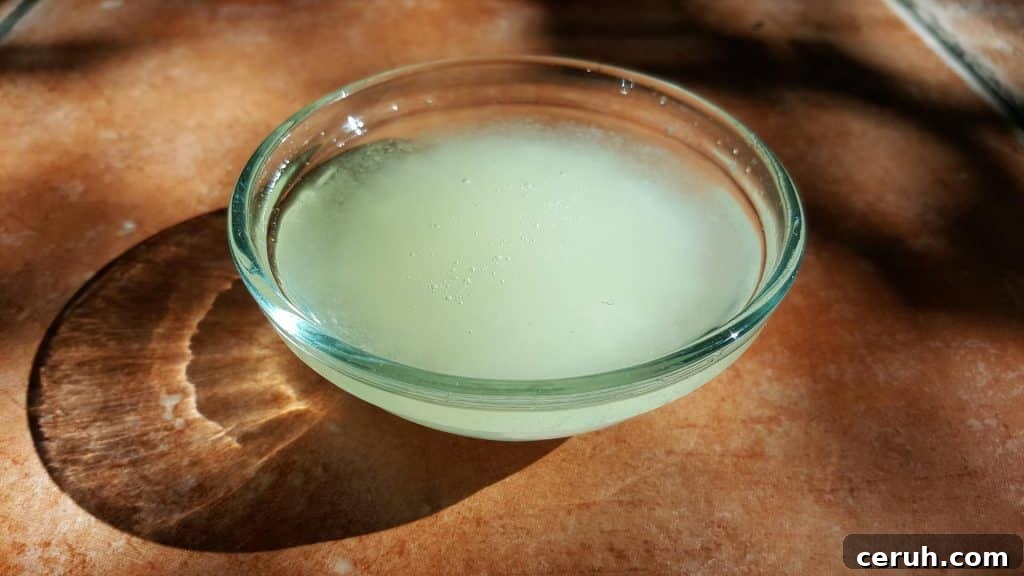
Store MCT oil in a tightly sealed container in a cool, dry, and dark location—preferably in a pantry or cupboard away from the stove, oven, or windows. Minimize the oil’s exposure to air by keeping the cap closed and, if possible, using smaller bottles once opened so less oxygen reaches the product. Avoid introducing moisture or contaminants by using clean, dry utensils when dispensing the oil.
What are the signs that MCT Oil is beginning to go bad?
Early warning signs include a faint sour or off smell, slight darkening of the oil, and a change in mouthfeel or taste. If you notice any of these changes, inspect the product more closely and consider discarding it rather than risking consumption. When in doubt, replace it for safety and flavor quality.
What causes MCT Oil to go bad?
MCT oil can deteriorate from extended exposure to heat, light, oxygen, moisture, and contamination. Direct sunlight and high temperatures accelerate oxidation and can cause the oil to become rancid. Allowing air into the bottle speeds up oxidation, and improper handling or dirty utensils can introduce bacteria or mold. Proper storage and handling minimize these risks.
How can MCT Oil be prevented from going bad?
To extend the shelf life of MCT oil:
- Store it in a cool, dark cupboard or pantry away from heat sources and sunlight.
- Keep the bottle tightly sealed and avoid leaving it open unnecessarily.
- Use clean, dry utensils when pouring to prevent contamination.
- Consider transferring to a smaller container once opened to reduce the amount of air in the bottle.
- Check production or best-by dates when purchasing and try to use the oil within the recommended timeframe.
If the oil shows any sign of spoilage, discard it. When you’re unsure, replacing the product is the safest option.
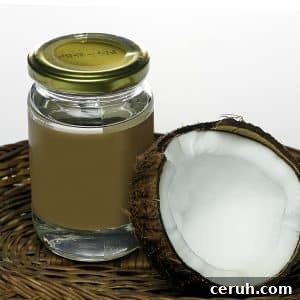
Coconut Oil Coffee
Equipment
-
Blender or immersion blender
Ingredients
- 2 cups hot coffee
- 2 tablespoons coconut oil
- 2 tablespoons butter
Instructions
-
Combine hot coffee, coconut oil, and butter in a blender. Blend until the fats are fully emulsified and the coffee becomes frothy. Pour and enjoy immediately.
Video
Nutrition
Related Posts
Crockpot Christmas Crack Recipe

Microwave Caramel Popcorn

Foods That Start With L

Can You Freeze Goat Cheese?